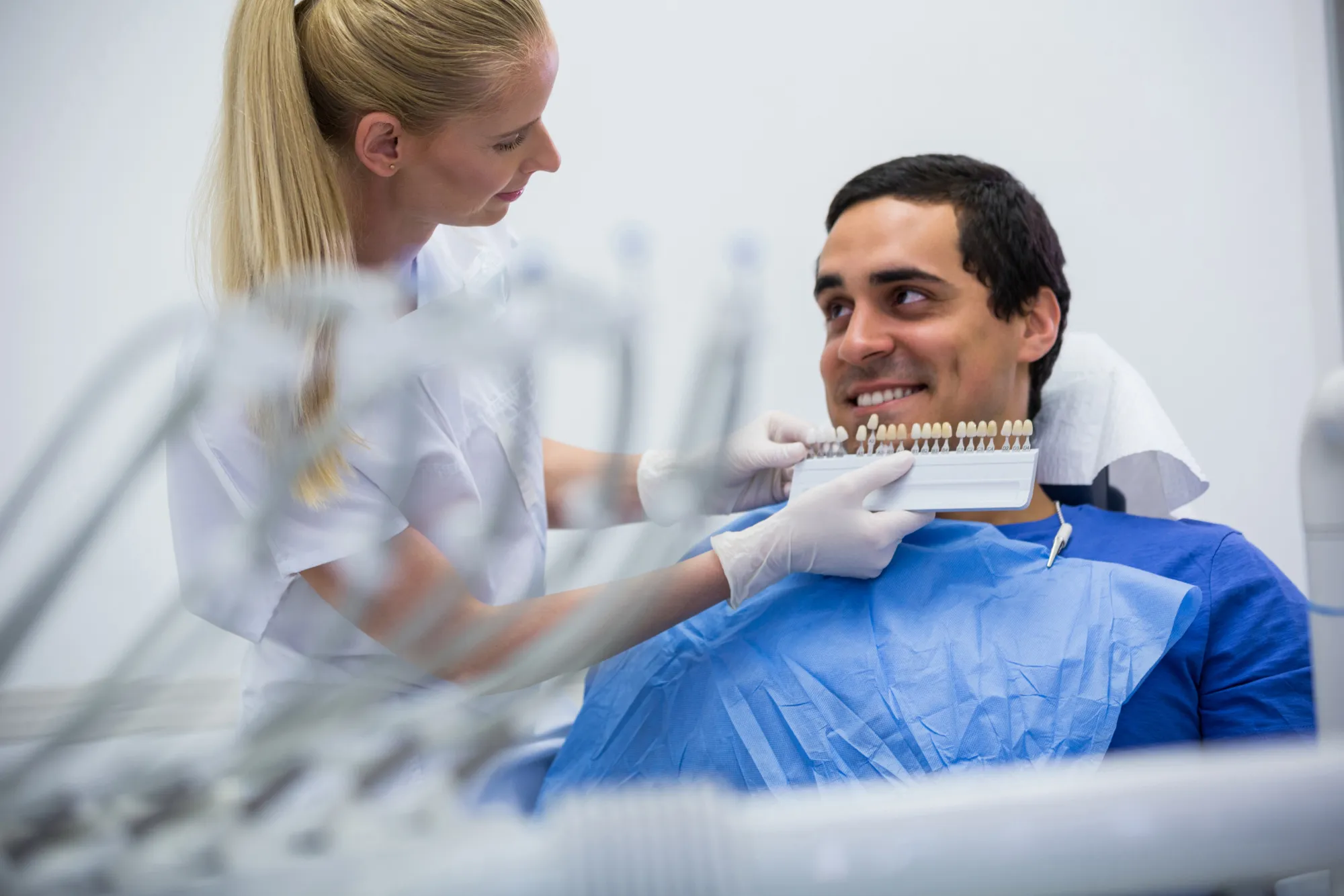

A healthy smile plays an important role in both appearance and overall oral health. When teeth become damaged, weakened, or worn over time, they may require additional protection to prevent further deterioration. Many individuals searching for dental crowns near me often want a reliable solution that restores strength while maintaining a natural appearance. Dental crowns have become one of the most effective restorative treatments available, helping patients preserve their natural teeth and improve long term dental function with lasting results.
Understanding Dental Crowns
What Are Dental Crowns?
Dental crowns are custom made restorations designed to cover the entire visible portion of a damaged or weakened tooth. They function like protective caps that fit securely over existing tooth structures. Once placed, crowns help restore the tooth's shape, size, strength, and appearance.
Crowns are commonly crafted from materials such as porcelain, ceramic, metal alloys, or combinations of these materials. The choice often depends on the location of the tooth, patient preferences, and clinical recommendations. Their ability to mimic the look of natural teeth makes them a popular option for restorative dentistry treatments.
Why Teeth Need Extra Protection
Teeth can become vulnerable for many reasons, including decay, fractures, large fillings, or general wear caused by years of use. When a tooth loses significant structure, it becomes more susceptible to cracking and further damage. In these situations, a crown acts as a protective barrier that supports the remaining tooth and helps prevent future complications.
Without proper protection, weakened teeth may eventually require more extensive treatment. Crowns provide a proactive approach that preserves natural teeth whenever possible and reduces the likelihood of extraction.
How Dental Crowns Protect Teeth
Strengthening Weak Tooth Structures
One of the most important advantages of dental crowns is their ability to strengthen compromised teeth. A damaged tooth may struggle to withstand everyday chewing forces, increasing the risk of fractures. By covering the tooth completely, a crown distributes pressure more evenly and reinforces the remaining structure.
This added support allows patients to use their teeth more comfortably during normal activities. As a result, crowns help maintain function while reducing the chances of further damage occurring over time.
Preventing Cracks from Worsening
Small cracks can often develop due to injury, grinding, or natural wear. While some cracks may initially seem minor, they can deepen over time and threaten the tooth's stability. Dental crowns help contain these cracks by holding the tooth together and limiting movement between damaged sections.
This protective function is especially valuable because untreated cracks can eventually lead to pain, infection, or tooth loss. Crowns help preserve the tooth and support long term oral health outcomes.
Protecting Teeth After Root Canal Treatment
Root canal therapy removes infected tissue from inside a tooth, helping eliminate pain and save the natural structure. However, treated teeth often become more brittle after the procedure. A dental crown is frequently recommended afterward to provide essential reinforcement.
The crown acts as a protective covering that shields the treated tooth from everyday forces. This additional layer of security significantly improves the tooth's durability and helps ensure successful long term results.
Cosmetic Advantages of Dental Crowns
Improving Tooth Appearance
Beyond protection, dental crowns can dramatically enhance a tooth's appearance. Teeth that are stained, misshapen, chipped, or severely worn may affect the overall look of a smile. Crowns are carefully designed to blend with surrounding teeth and create a more attractive appearance.
Modern materials allow crowns to closely replicate the color, texture, and translucency of natural enamel. This makes them an excellent option for individuals seeking both restorative and cosmetic improvements.
Restoring Confidence in Smiles
A damaged or unattractive tooth can make individuals feel self conscious when speaking, laughing, or smiling. Dental crowns help address these concerns by restoring a natural and balanced appearance. Patients often report increased confidence after treatment because their smiles look healthier and more complete.
Improved self esteem can positively influence social interactions, professional situations, and overall quality of life. The visual benefits of crowns often complement their protective advantages.
Functional Benefits of Dental Crowns
Restoring Comfortable Chewing
Damaged teeth can make eating uncomfortable or difficult. Individuals may avoid certain foods due to sensitivity, weakness, or fear of causing additional damage. Dental crowns restore the structural integrity of affected teeth, allowing patients to chew more comfortably.
By rebuilding the tooth's shape and strength, crowns help restore normal bite function. This enables patients to enjoy a wider range of foods while maintaining better nutrition and oral health.
Supporting Proper Bite Alignment
When a tooth becomes worn or damaged, it can affect the way upper and lower teeth come together. Misaligned biting forces may place additional stress on surrounding teeth and jaw structures. Dental crowns help restore proper tooth dimensions and contribute to a more balanced bite.
Maintaining correct alignment can reduce unnecessary strain on other teeth while supporting overall comfort and function throughout the mouth.
Long Term Durability and Reliability
Designed for Everyday Use
Dental crowns are built to withstand the demands of daily life. High quality materials provide excellent durability and can tolerate normal chewing forces for many years. With appropriate care, crowns often remain functional and attractive for an extended period.
Their resilience makes them a practical investment for patients seeking dependable protection and restoration. Regular dental visits and good oral hygiene further contribute to their longevity.
Preserving Natural Teeth
Saving natural teeth is a primary goal in modern dentistry. Whenever possible, preserving existing tooth structures is preferable to extraction and replacement. Dental crowns play a significant role in achieving this objective by strengthening vulnerable teeth and preventing further deterioration.
Protecting natural teeth helps maintain jawbone health, proper bite function, and overall oral stability. Crowns support these goals while offering a conservative treatment approach.
The Dental Crown Procedure
Initial Assessment and Preparation
The process typically begins with a comprehensive examination. A dentist evaluates the condition of the tooth, discusses treatment goals, and determines whether a crown is the most suitable option. Imaging and diagnostic tools may be used to assess the tooth's structure and surrounding tissues.
During preparation, a small amount of tooth material is reshaped to create space for the crown. Detailed impressions are then taken to ensure a precise fit and natural appearance.
Crown Placement and Final Adjustments
Once the custom crown is fabricated, it is carefully positioned over the prepared tooth. The dentist evaluates its fit, appearance, and bite alignment before permanently securing it in place. Any necessary adjustments are made to maximize comfort and function.
After placement, the crown becomes an integrated part of the smile. Patients can typically return to their normal activities shortly after treatment while enjoying the benefits of enhanced protection and restoration.
Caring for Dental Crowns
Maintaining Excellent Oral Hygiene
Although crowns themselves cannot develop cavities, the underlying tooth and surrounding gum tissue still require proper care. Brushing twice daily and flossing regularly help maintain oral health and protect the margins where the crown meets the natural tooth.
Consistent hygiene habits reduce the risk of decay and gum disease, supporting the long term success of the restoration. Routine professional cleanings also play an important role in maintenance.
Avoiding Harmful Habits
Certain habits can place unnecessary stress on dental crowns and natural teeth. Chewing ice, opening packages with teeth, and grinding or clenching can increase the risk of damage. Patients who grind their teeth may benefit from protective appliances recommended by their dental professional.
Taking simple precautions helps extend the lifespan of crowns while preserving overall dental health and function.
Who Can Benefit from Dental Crowns?
Individuals with Damaged Teeth
People with cracked, fractured, worn, or heavily restored teeth often benefit significantly from dental crowns. The treatment provides protection while restoring strength and appearance. In many cases, crowns help prevent the need for more invasive procedures in the future.
Because every situation is unique, a professional evaluation is essential to determine the most appropriate treatment plan and expected outcomes.
Patients Seeking Lasting Restoration
Individuals looking for a long term solution often choose dental crowns because of their durability and versatility. Crowns address both functional and cosmetic concerns, making them suitable for a wide range of dental conditions.
Their ability to restore confidence, comfort, and protection makes them one of the most valuable restorative options available in modern dentistry.
Conclusion
Dental crowns offer numerous advantages for individuals seeking to protect and preserve damaged teeth. They strengthen weakened structures, improve appearance, restore function, and support long term oral health. Whether used after root canal treatment, to repair fractures, or to enhance aesthetics, crowns provide reliable protection and lasting benefits. For those exploring treatment options and searching for dental crowns near me, consulting experienced professionals can help determine the most suitable solution. Quality care and personalized treatment from Perfect Smile Spa can support patients in achieving stronger, healthier, and more confident smiles.






















Sign in to leave a comment.