The Benefits of Slit Coil Packaging Lines for Safe and Efficient Coil Handling

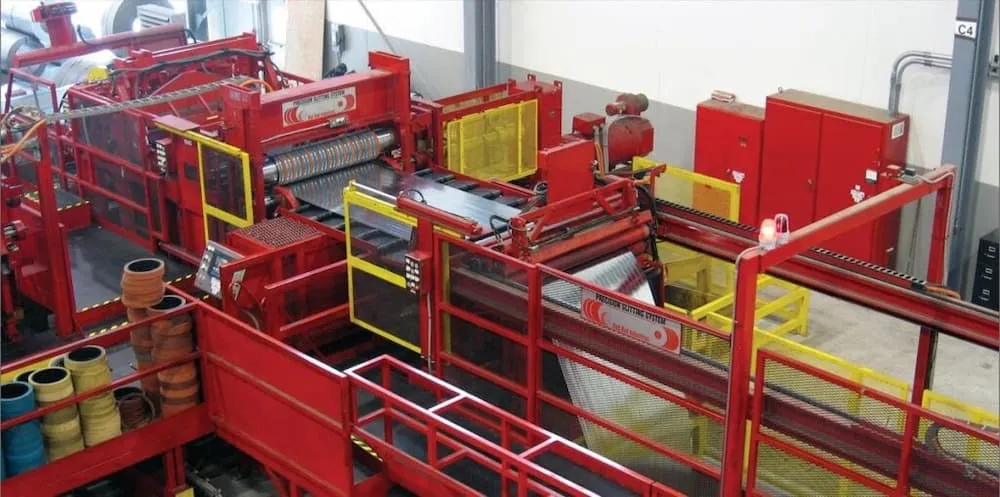
Efficient coil handling is a critical part of modern metal processing because every stage after production influences product quality, workplace safety, and customer satisfaction. Manufacturers increasingly rely on advanced packaging systems to minimize damage during transportation and storage while improving operational efficiency. After producing high quality slit coils, slit coil packaging lines play an essential role in protecting finished products, reducing manual handling, and maintaining consistent packaging standards across different production environments.
Understanding Slit Coil Packaging Lines
What Are Slit Coil Packaging Lines?
Slit coil packaging lines are automated systems designed to package slit metal coils after the slitting process is complete. These systems prepare coils for storage, transportation, and customer delivery using carefully controlled wrapping, strapping, labeling, and protective covering methods. By automating these activities, manufacturers achieve greater consistency while reducing manual labor requirements. Packaging equipment is often customized according to coil dimensions, production volumes, and material specifications, ensuring reliable protection for various types of steel, aluminum, copper, and other metal coils.
Why Packaging Matters After Slitting
Once coils have been slit into narrower widths, they become more vulnerable to scratches, moisture exposure, edge damage, and handling errors. Proper packaging preserves the surface quality and dimensional accuracy achieved during manufacturing. Effective packaging also simplifies identification, inventory management, and transportation logistics. Without suitable protection, even perfectly processed coils may arrive with defects that affect downstream manufacturing operations. Reliable packaging systems help preserve product integrity from the production floor until final installation or fabrication.
Improving Safety Throughout Coil Handling
Reducing Manual Material Handling
Heavy metal coils require careful handling because improper lifting or movement creates significant workplace hazards. Automated packaging equipment minimizes direct employee interaction with finished coils by transferring, wrapping, and securing products through controlled mechanical systems. This reduction in manual handling decreases the likelihood of injuries caused by repetitive lifting, accidental impacts, or improper positioning. Automated workflows also create a safer environment where employees focus on monitoring equipment rather than physically moving heavy materials.
Supporting Safer Production Environments
Packaging systems improve workplace organization by creating structured material flow throughout the finishing process. Clearly defined transfer paths reduce congestion and eliminate unnecessary equipment movement within production areas. Organized operations also improve communication between departments responsible for production, packaging, warehousing, and shipping. A cleaner and more predictable work environment contributes to improved safety performance while helping facilities comply with workplace safety standards and internal operational procedures.
Protecting Coil Quality During Transportation
Preventing Surface Damage
Metal coils often travel long distances before reaching customers, making surface protection an important priority. Packaging lines apply protective materials consistently across every coil, reducing exposure to scratches, dents, moisture, and contamination. Uniform wrapping and secure strapping maintain coil stability during transportation, preventing unwanted movement that could damage sensitive surfaces. Maintaining excellent surface quality supports customer satisfaction while reducing warranty claims and costly product replacements.
Preserving Coil Shape and Stability
Proper packaging maintains coil geometry throughout storage and shipment. Well secured coils resist deformation caused by vibration, stacking pressure, or shifting loads during transportation. Stable packaging prevents coils from loosening or collapsing, preserving the precise dimensions required for downstream manufacturing processes. Maintaining consistent coil integrity helps customers begin production immediately without additional inspections or corrective handling procedures, improving efficiency across the entire supply chain.
Increasing Operational Efficiency
Accelerating Packaging Operations
Automated packaging significantly reduces the time required to prepare finished coils for shipment. Equipment performs wrapping, strapping, labeling, and positioning in a continuous sequence that minimizes delays between production and storage. Faster packaging allows manufacturing lines to maintain higher throughput while avoiding bottlenecks in finishing operations. Increased processing speed enables facilities to satisfy growing customer demand without sacrificing packaging quality or operational reliability.
Improving Workflow Consistency
Consistent packaging procedures eliminate many of the variations associated with manual operations. Automated systems perform each packaging cycle according to predefined settings, producing repeatable results regardless of operator experience or production volume. Standardized workflows simplify employee training while improving coordination between manufacturing, quality control, warehouse management, and shipping departments. Predictable packaging processes contribute to smoother daily operations and more reliable production scheduling.
Enhancing Product Identification and Traceability
Supporting Accurate Labeling
Modern packaging systems frequently integrate automated labeling solutions that apply identification information immediately after packaging. Labels may include product dimensions, material grades, batch numbers, customer details, and barcode information for inventory management. Accurate labeling reduces shipping errors while improving traceability throughout production, warehousing, and distribution. Well identified coils also simplify quality verification and customer receiving procedures upon delivery.
Improving Inventory Management
Clearly packaged and labeled coils are easier to organize within warehouse environments. Inventory personnel can quickly locate products, verify stock levels, and prepare shipments with minimal handling. Efficient inventory control reduces storage delays while supporting accurate production planning and customer order fulfillment. Better inventory visibility helps manufacturers optimize warehouse utilization and respond more effectively to changing customer requirements.
Supporting Cost Reduction
Lowering Product Damage Costs
Packaging damage often results in expensive repairs, product replacements, customer complaints, and delayed deliveries. Automated packaging systems reduce these risks by applying consistent protective materials and secure packaging techniques to every coil. Lower damage rates contribute directly to reduced operational costs while strengthening customer confidence. Investments in reliable packaging frequently produce measurable savings by preventing avoidable losses throughout the distribution process.
Reducing Labor Requirements
Automation allows packaging operations to be completed with fewer manual tasks while maintaining high productivity levels. Employees spend less time performing repetitive packaging activities and more time supervising equipment, monitoring quality, and supporting production improvements. Better labor utilization contributes to improved operational efficiency while helping manufacturers address workforce shortages and increasing production demands without proportionally increasing staffing requirements.
Adapting to Different Production Requirements
Handling Various Coil Sizes
Manufacturing facilities often process coils with different widths, diameters, and material thicknesses depending on customer specifications. Flexible packaging systems accommodate these varying dimensions through adjustable equipment settings and automated positioning mechanisms. This adaptability enables manufacturers to process diverse production schedules without extensive equipment modifications. Efficient changeovers reduce downtime while supporting higher overall equipment utilization.
Meeting Customer Packaging Expectations
Different industries require different packaging standards depending on transportation methods, storage conditions, and product sensitivity. Automated systems provide the flexibility needed to apply specific wrapping materials, protective covers, and strapping configurations according to customer requirements. Consistent packaging quality helps manufacturers meet contractual specifications while strengthening long term customer relationships through dependable product presentation and protection.
Supporting Sustainable Manufacturing Practices
Reducing Material Waste
Automated packaging systems optimize the use of wrapping materials, strapping products, and protective coverings through precise application controls. Consistent material usage minimizes unnecessary waste while maintaining effective product protection. Lower material consumption supports sustainability initiatives while reducing packaging expenses. Efficient resource utilization also aligns with broader environmental objectives that many manufacturers continue to prioritize across their operations.
Improving Energy Efficiency
Modern packaging equipment often incorporates efficient drive systems, intelligent controls, and optimized operating sequences that reduce unnecessary energy consumption. Automated coordination between packaging stages minimizes idle time while improving equipment productivity. Energy efficient operations contribute to lower operating costs while supporting environmental responsibility. Manufacturers benefit from improved production efficiency alongside reduced resource consumption throughout packaging activities.
Preparing for Future Manufacturing Growth
Integrating with Smart Manufacturing
Advanced packaging equipment increasingly supports digital manufacturing through automated monitoring, production data collection, and equipment communication capabilities. These features improve operational visibility while supporting predictive maintenance and continuous process improvement. Connected packaging systems contribute valuable production information that helps manufacturers optimize performance across the entire production line and improve long term operational decision making.
Supporting Business Expansion
As production volumes increase, packaging operations must scale without creating bottlenecks that limit overall manufacturing capacity. Automated packaging systems provide the flexibility needed to accommodate future growth while maintaining consistent quality and operational efficiency. Scalable packaging solutions allow manufacturers to expand production capabilities confidently while continuing to deliver reliable products that meet customer expectations.
Conclusion
Safe and efficient coil handling depends on packaging systems that protect product quality while supporting productive manufacturing operations. Automated packaging improves workplace safety, reduces product damage, increases operational consistency, and strengthens inventory management throughout the supply chain. These advantages help manufacturers achieve greater efficiency while delivering reliable products to customers in excellent condition. Organizations seeking dependable packaging solutions for modern coil processing operations can benefit from the advanced expertise and innovative technologies offered by Red Bud Industries.




Sign in to leave a comment.