
Nobody enjoys shopping for flood coverage. It sits at the bottom of the to do list until a storm shows up on the news, and then everybody panics at once. Ask ten Floridians who the best flood insurance company in Florida is and the answers come back all over the map. One person swears by an agent who picked up the phone at midnight. Another got burned by a slow claim and won't go near that carrier again. Both are telling the truth, which is the whole problem. Flood coverage depends on the house, the street, the lender, and how much mess an owner can afford to carry alone. This post skips the sales pitch and sticks to what actually matters.
Why Florida Homes Flood More Than Owners Expect
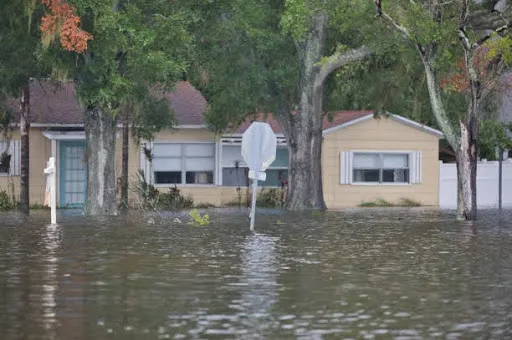
Let's be real, Florida is built for water to sit around. The land is flat, the water table is high, and the drainage in a lot of older neighborhoods was designed decades ago for way less pavement. A regular afternoon thunderstorm can flood a street in Orlando without a hurricane anywhere near the state. Then hurricane season piles on storm surge and days of rain. Plenty of owners assume flooding is a beachfront problem, and that assumption costs them. A big share of claims come from homes that sit outside the high risk maps. Standard homeowners policies leave flood damage out entirely, which most people learn at the worst possible moment. The short answer is that nearly every property here has some exposure, it's just a matter of how much.
Government Program or Private Carrier, Which One Fits
Flood coverage comes from two places. The National Flood Insurance Program, backed by FEMA, and private insurers. The federal program gets sold through agents and companies, but the policy underneath is the same no matter who's handling the paperwork. So comparing NFIP quotes between agents is mostly comparing service, not coverage. Private carriers are a different animal. Some offer higher limits, some cover things the federal policy skips, and some start coverage faster. The trade off is they're pickier about which houses they'll take, and a few pull out of risky areas when the market gets rough. Truth is, neither option wins every time. Older homes near the coast often end up on the federal side, while newer or elevated homes sometimes get better deals privately.
What Separates a Good Carrier From a Forgettable One
Claims. That's the answer, mostly. Cheap premiums mean nothing when an adjuster takes weeks to show up after a storm and the paperwork drags on for months. Checking the financial strength rating on private companies is quick and worth doing. Then there's the agent. A good one explains what's covered in a finished lower level, a detached garage, or a room built over the slab, without waving their hands. Local knowledge matters more than most people think. An agent who has written policies around Tampa Bay or the Keys for years knows which streets fill up and which maps are stale. Reviews help, sure, but the middle of the road ones usually tell more than the rants or the raves.
How to Get a Flood Zone Insurance Quote That Actually Holds Up
A flood zone insurance quote sounds simple, but it changes depending on what gets typed into the form. The address, the flood zone, the elevation, the foundation type, the year the house was built, and the coverage being asked for all move the result. Guess wrong on one and the price shifts later, which annoys everybody. An elevation certificate can help a lot on some properties, so it's worth asking the agent whether one makes sense. Owners should collect more than one quote and compare the federal option against private ones. Ask if fees and surcharges are already baked in, because they aren't always. And don't chase the lowest number alone. Deductibles, coverage limits, and what's excluded change what that price is really buying.
Flood Zones, Lenders and the Letter Nobody Wants
Lenders get strict here. If a home sits in a special flood hazard area, the A and V zones, and carries a federally backed mortgage, flood insurance isn't optional. Zone X gets labeled moderate to low risk, and people hear that as no risk at all. It isn't. Plenty of Zone X owners carry a policy anyway, since coverage there tends to be cheaper and the downside is huge. Then there's remapping. A house that sat outside the line last year can end up inside it, and suddenly the lender mails a notice demanding coverage nobody budgeted for. Happens more than folks think. Checking the current flood map before buying a house, not after closing, saves a lot of grief.
Why Premiums Keep Changing
FEMA changed how it prices policies a few years back, and rates now lean on things like distance to water, how often the area floods, and what it would cost to rebuild. The old approach leaned mostly on the zone lines. Some Florida owners saw their bills drop. Others got increases that keep coming every year, capped but steady. Nobody likes hearing that. Deductibles play a role too. A higher one lowers the premium but leaves more on the owner after a loss, so it's a real trade off and not some free trick. Homes on raised foundations usually get treated better than slab homes close to the coast. Knowing which levers exist makes comparing carriers a lot less of a headache.
The Waiting Period and Other Mistakes That Sting
The waiting period gets people every single season. Buy a policy once a storm is already in the forecast cone and coverage won't start for a while, with a few exceptions like closing on a home with a loan. Too late is too late. Other mistakes pile up quietly. Underinsuring belongings. Skipping a home inventory, so there's no list of what got ruined. Assuming landscaping or cars are covered when they aren't. Photos of belongings taken before hurricane season cost nothing and help a ton during a claim. And the renewal date belongs on a calendar somewhere, because lapses happen, more than anybody likes to admit.
Picking Flood Coverage Without Losing Sleep
So where does that leave a buyer? Somewhere pretty simple, even if the process isn't. No single company wins for everyone. The smart move is comparing the federal program with private options, digging into claims reputation, and getting a real flood zone insurance quote built on accurate details about the house instead of guesses. Start early, well before the season gets going. Ask blunt questions about exclusions, limits and how long coverage takes to kick in. Finding the top flood insurance provider in the state really means finding the one that fits a specific home and a specific budget. Water doesn't care about excuses. Owners who sort this out now sleep better later.

























Sign in to leave a comment.