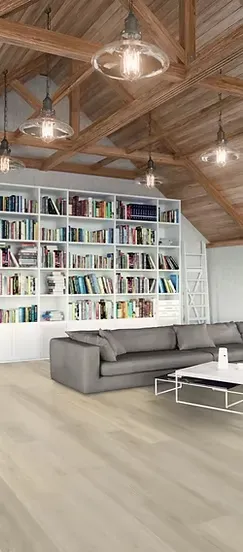

Sunrooms and enclosed porches face a unique combination of challenges: heavy sun exposure, temperature swings between seasons, and sometimes humidity from proximity to outdoor conditions. Choosing the right material, such as tile flooring, helps these bright, transitional spaces hold up beautifully year-round.
These rooms occupy a middle ground between indoor and outdoor living, and that in-between status means flooring here needs to handle conditions more extreme than a typical interior room, while still feeling like a comfortable, finished part of the home.
Sun Exposure Is the Biggest Factor
Large windows that make sunrooms so appealing also mean significant UV exposure, which can fade or damage materials not designed to handle prolonged sunlight. Over time, UV exposure can bleach color from certain materials, degrade adhesives, or cause uneven fading between areas that receive direct sun and areas that remain shaded by furniture or window coverings.
Tile: Built for the Elements
Tile handles UV exposure, temperature swings, and potential humidity better than most alternatives, making it one of the most reliable choices for sunrooms and enclosed porches. Its inorganic composition means it won't fade, warp, or degrade under sun exposure the way organic materials can, and its thermal mass can even help moderate room temperature somewhat by absorbing heat during the day.
LVP as a Warmer Alternative
UV-resistant luxury vinyl plank offers a warmer look and feel than tile while still standing up to sun exposure, provided the specific product is rated for UV stability. Not all LVP products include adequate UV protection, so confirming this specification before installation is particularly important for a space that will receive as much direct sunlight as a typical sunroom.
Why Solid Hardwood Struggles Here
Solid hardwood is particularly vulnerable in sunrooms, since both UV fading and humidity-driven expansion and contraction are amplified in these bright, temperature-variable spaces. The combination of intense, uneven sun exposure and the temperature swings common in enclosed porches — especially those without full climate control — creates conditions that solid wood simply isn't built to withstand long-term.
Considering Seasonal Temperature Swings
Enclosed porches that aren't climate-controlled year-round experience more dramatic temperature shifts than the rest of the home, making dimensionally stable materials like tile or engineered products a safer long-term choice. A three-season porch, in particular, may swing from near-outdoor temperatures in winter to significant heat buildup in summer, conditions that test the limits of materials not specifically suited to handle them.
Ventilation and Humidity Management
Beyond material choice, ensuring adequate ventilation in sunrooms and porches helps manage humidity buildup, particularly in humid climates or during seasonal transitions. Even moisture-resistant materials perform better in a well-ventilated space, since excess humidity can still affect grout, adhesives, and other components of the overall installation over time.
Final Thoughts
Sunrooms and enclosed porches reward homeowners who prioritize UV resistance and temperature stability. Tile remains the most reliable option, while UV-rated LVP offers a warmer alternative for those wanting a wood-look aesthetic in these light-filled spaces, ensuring your sunroom stays beautiful through years of direct sun exposure and seasonal change.
















Sign in to leave a comment.