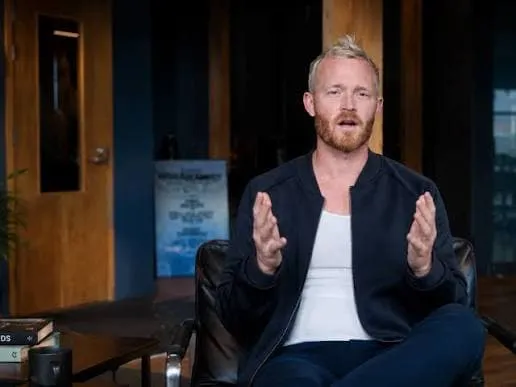

Building a company and investing in one can look like two different jobs. One involves creating something from scratch. The other involves deciding where to put money and which opportunities deserve a closer look. In practice, the two can overlap quite a bit.
When we look at Nick Gross, that overlap becomes especially interesting. His career has moved from music into entrepreneurship, education and investing, giving him experience on both sides of the founder-investor relationship. His own account of that path shows a preference for connecting ideas and businesses rather than keeping each venture in its own box.
That way of thinking raises a useful question for anyone building a business: what habits help someone move from creating companies to backing them?
Start by being willing to build
Entrepreneurship teaches patience in a way few other experiences can. A founder can spend months working on something before knowing whether the market will respond. Plans change. A promising idea can turn out to need a different audience. Some decisions work. Others don't.
Nick Gross has experienced that process firsthand. His career began in music, and he later moved into entrepreneurship, including founding an education business focused on career readiness and self-discovery.
That background matters because an investor who has built a company understands that business progress rarely happens in a perfectly straight line.
We can learn something from that as founders and business owners. Experience doesn't remove uncertainty. It can simply make us more comfortable making decisions while uncertainty is still there.
Think in connections, not isolated businesses
One of the more interesting parts of Nick Gross's business philosophy is the emphasis on overlap. He has described his work as bringing together areas including music, education, sports and culture, with the idea that businesses can benefit from being connected rather than operating separately. That approach changes how we might look at growth.
A company doesn't always have to find its next opportunity by launching another product. Sometimes the opportunity is sitting in an existing relationship, audience or industry connection.
A sports company might have access to an audience that interests a consumer brand. A media business may have a useful distribution channel for another venture. These connections don't automatically create value, but they're worth noticing.
Keep the operating mindset after the investment
Investing can become very numbers-driven. Revenue, margins, valuation and growth rates all matter. But businesses aren't spreadsheets. Nick Gross has publicly described his investment approach as more hands-on than a traditional family-office model, with an emphasis on entrepreneurial action, involvement and helping ideas move forward.
That distinction is useful because founders often need more than money after a deal closes. They may need another perspective when a decision gets complicated or an introduction when a useful relationship is hard to reach.
We shouldn't assume every investor needs to be deeply involved. Some founders prefer more independence. The important part is agreeing on the relationship before the investment happens.
Let experience shape what you back
An investor who has spent time building companies has a different reference point when evaluating a founder. They know what an early hiring decision feels like. They understand that a business can look very different six months after a pitch. They may also recognize that a founder's ability to adapt can matter just as much as the original idea.
The career of Nick Gross offers an example of that broader view. His work has combined entrepreneurship with investment activity across areas such as sports, media, consumer brands, real estate and entertainment.
For us, the lesson isn't that one particular background makes someone a better investor. It's that operating experience can add context to financial analysis.
Sometimes the most useful question isn't, “How big can this company become?”
It's, “What would have to be true for this company to work?”
Pay attention to the people behind the idea
A strong business idea can attract attention quickly. The people building it are harder to evaluate. That's why founder judgment matters so much.
Nick Gross has discussed the importance of working with people he believes in, and his investment philosophy includes considering whether he can personally add value to a company. That suggests an approach where the relationship with the founder matters alongside the opportunity itself.
We can apply the same thinking when choosing partners, investors or even employees. Skills matter, but so does how someone thinks when the original plan stops working.
A business will eventually hit a difficult stretch. The people involved need to be capable of handling it without losing sight of the bigger goal.
Growth doesn't have to mean chasing everything
There is a temptation in business to treat every new opportunity as something worth pursuing. More markets. More products, more partnerships, more investment.
That can get expensive fast.
Nick Gross's approach of connecting different interests and ventures offers another way to think about growth. The question becomes whether a new opportunity fits with what already exists and whether the connection can create something useful. That's a healthier question for any growing company. We don't need to say yes to everything. A business can grow by becoming better at recognizing which opportunities actually belong in its story.
In the end, the mindset behind building and investing isn't as different as it first appears. Both require judgment, patience and a willingness to make decisions without having every answer in advance.
Nick Gross provides one example of how those skills can carry from entrepreneurship into investing. For anyone building a company, the bigger takeaway is practical: build with intention, stay curious about what connects and think carefully about the people and opportunities worth backing.
























Sign in to leave a comment.