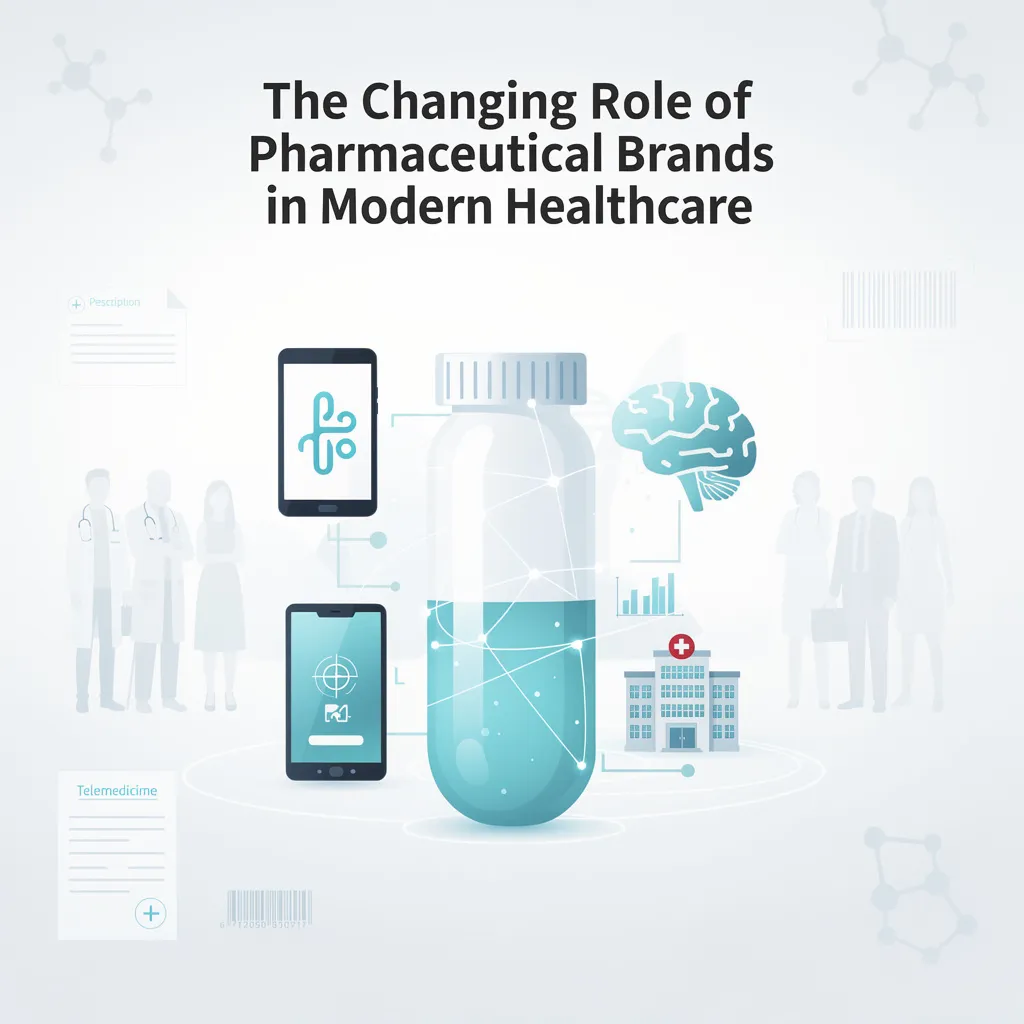

Pharmaceutical brands used to have a fairly simple job. Make the medicine, get it to the pharmacy, and let doctors handle the rest. That model has quietly changed over the past several years. Today, patients expect more from the brands behind their treatments, and healthcare systems expect more too. The role these companies play has grown well beyond just manufacturing and shipping products.
Moving Past the Manufacturer Only Identity
For a long time, a pharma brand's reputation was built almost entirely on production capability. How large was their facility, how many products could they supply, how competitive was their pricing? These things still matter, but they are no longer the whole story. Brands are now expected to understand patient needs, support healthcare providers with real information, and stay involved well beyond the point of sale.
This shift is part of a bigger change happening across healthcare, where value is measured not just by what a company produces, but by how it supports the people using that product.
Why Patient Education Has Become a Core Responsibility
One of the clearest signs of this changing role is the growing focus on patient education. Brands are investing in clearer packaging, simpler instructions, and content that actually helps people understand their condition and treatment, rather than leaving all of that explanation to a rushed doctor's appointment.
This matters because patients who understand their treatment are far more likely to use it correctly and stick with it long term. A brand that takes the time to educate is quietly building something more valuable than a one-time sale; it is building trust that lasts.
Expanding Intwide rano New Categories
Pharmaceutical companies are also stretching well beyond their traditional product lines. Many are now developing skincare, wellness, and chronic care solutions alongside their core treatments. This broader range means patients can often find multiple solutions from a single trusted name, rather than piecing together products from several unfamiliar brands.
Companies offering a genuinely wide range of pharma products across dermatology, chronic disease care, and general wellness are finding that this variety helps them stay relevant to patients whose needs rarely fit into just one narrow category.
Working More Closely With Doctors
This evolving role has also changed how brands interact with healthcare professionals. Instead of just promoting products, many companies now provide doctors with updated clinical information, training resources, and ongoing support to help bridge gaps between research and everyday patient care.
This closer collaboration benefits everyone involved. Doctors get more reliable partners, and brands get a clearer understanding of the real challenges patients and providers face day to day.
Digital Presence Has Changed the Conversation
The rise of social media and health-focused content online has also reshaped how pharmaceutical brands communicate. Patients now research conditions and treatments independently, often before ever speaking to a doctor. Brands that maintain a clear, honest digital presence are better positioned to answer common questions and reduce confusion, rather than leaving patients to rely on unreliable sources.
Transparency Is No Longer Optional
Perhaps the biggest shift is around transparency. Patients today want to know what is in a product, how it works, and what results they can realistically expect. Brands that are upfront about this information tend to build far stronger, longer-lasting trust compared to those relying purely on marketing claims.
This growing expectation for honesty has pushed many companies to be more open about their formulations, manufacturing practices, and quality control systems, since vague or defensive answers no longer satisfy increasingly informed patients.
Why This Shift Benefits the Entire Healthcare System
This evolving role is not just good marketing. It genuinely improves outcomes. When brands actively support education, work closely with doctors, and remain transparent about their products, patients get better guidance and are more likely to follow through with effective treatment.
This shift also encourages healthy competition, pushing companies to keep improving their formulations and support systems rather than relying solely on brand recognition built years ago.
The Responsibility That Comes With This Expanded Role
Taking on a bigger role in patient care also means higher expectations. Brands now need to maintain accurate educational content, invest in genuine research, and be ready to answer difficult questions honestly. Falling short on these expectations can damage trust quickly in an industry where credibility takes years to build and very little time to lose.
What This Means Going Forward
Pharmaceutical brands that lean into this expanded role, focusing on education, transparency, and genuine patient support, are likely to build stronger, longer-term relationships with both healthcare providers and patients. Those still operating on an outdated, purely transactional model may find it harder to keep up as patient expectations continue rising.
Final Thoughts
The role of pharmaceutical brands in modern healthcare has clearly grown far beyond manufacturing and distribution. Today's brands are educators, collaborators, and long-term partners in patient wellbeing. As this shift continues, companies that prioritise trust, transparency, and genuine support are the ones most likely to thrive in this new, more connected era of healthcare.

























Sign in to leave a comment.