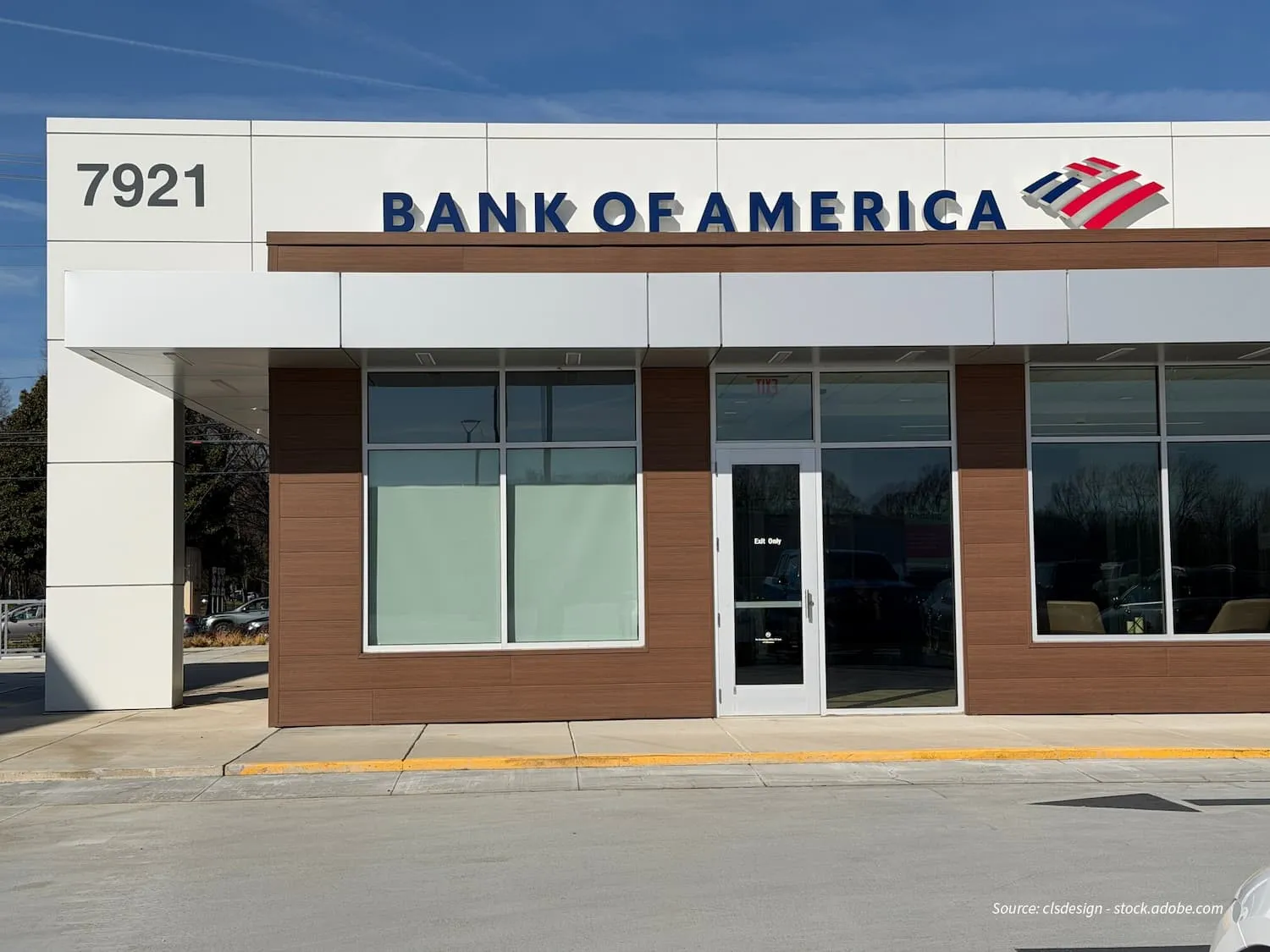

Commercial real estate investors consistently search for assets that offer dependable income, long term stability, and reduced operational responsibilities. Within the net lease sector, Why Bank of America stands out for NNN investors has become a topic of interest among individuals seeking reliable investment opportunities backed by established financial service operations. Properties occupied by major banking institutions are often evaluated for their ability to generate predictable cash flow while maintaining relevance within local communities. These characteristics continue to attract investors looking to balance income generation with long term portfolio growth objectives.
Understanding the Appeal of Banking Properties in NNN Investing
The Role of Financial Service Properties
Banking facilities remain an important part of the commercial real estate landscape. Although digital banking continues to expand, physical locations still serve essential functions related to customer service, financial consultations, lending activities, and community engagement. Investors often view these properties as important assets because they support services that remain relevant across different economic environments. The ability to provide essential financial services contributes to the long term attractiveness of banking related real estate investments.
Why NNN Structures Attract Investors
Triple net lease investments are widely recognized for their passive ownership characteristics. Under these lease structures, tenants commonly assume responsibility for property taxes, insurance, and maintenance expenses. This arrangement reduces operational obligations for property owners and helps create a more predictable investment experience. Investors frequently favor NNN properties because they can generate recurring rental income while minimizing the day to day responsibilities associated with property management.
Strong Tenant Stability as a Competitive Advantage
Importance of Established Financial Institutions
One of the primary reasons investors evaluate banking properties favorably is the perceived stability associated with established financial institutions. Long operating histories, extensive customer networks, and significant market presence often contribute to investor confidence. When assessing commercial real estate opportunities, tenant quality remains one of the most important considerations because rental income depends heavily on the occupant's ability to meet lease obligations throughout the lease term.
Long Term Commitment to Strategic Locations
Financial institutions typically invest substantial resources in developing and maintaining branch locations. These investments often include facility improvements, operational infrastructure, and customer relationship development. Because of these commitments, strategically selected locations may remain operational for extended periods. Investors often view this long term presence as a positive factor because it can contribute to occupancy stability and support predictable cash flow over time.
Predictable Cash Flow Opportunities
Contractual Rental Income
Predictable income remains a central objective for many commercial real estate investors. NNN properties often provide rental income through long term lease agreements that establish financial obligations over defined periods. This structure allows investors to project future revenue with greater confidence and may support long term financial planning. Consistent rental payments can be especially attractive for investors focused on wealth preservation and dependable income generation.
Reduced Exposure to Operating Costs
Traditional commercial property ownership can involve significant exposure to rising operating expenses. NNN lease structures help address this concern by transferring many property related costs to the tenant. Property taxes, insurance obligations, and maintenance responsibilities are often managed by the occupant rather than the owner. This arrangement may help preserve income stability and reduce the impact of expense fluctuations on investment performance.
Strategic Locations Enhance Investment Appeal
High Visibility Commercial Corridors
Location quality remains one of the most important factors influencing commercial real estate performance. Banking facilities are frequently positioned in areas with strong visibility, significant traffic counts, and convenient customer access. These locations often support ongoing business activity and contribute to the property's operational relevance. Investors regularly prioritize assets situated in desirable commercial corridors because location strength can influence both current performance and future marketability.
Access to Growing Communities
Many banking properties are located within expanding residential and commercial markets. Population growth, business development, and economic activity can all contribute to the continued demand for financial services. Investors often evaluate demographic trends carefully because growing communities may support stronger long term occupancy prospects. Properties positioned within healthy and expanding markets are frequently viewed as more attractive investment opportunities.
Long Lease Terms Support Stability
Extended Income Visibility
Long lease terms are commonly associated with banking related NNN properties. Extended lease durations provide investors with greater visibility into future income streams and reduce concerns related to near term tenant turnover. This stability can simplify financial forecasting and improve confidence in projected investment performance. Investors seeking reliable cash flow often view long term lease agreements as a significant advantage within the commercial real estate sector.
Potential for Continued Occupancy
Properties occupied by established financial institutions may benefit from favorable renewal prospects when locations remain operationally successful. While lease renewals are never guaranteed, investors often consider renewal potential when evaluating long term investment opportunities. A history of successful operations within a market may contribute to future occupancy decisions and support ongoing income generation.
Portfolio Diversification Benefits
Expanding Exposure Across Property Types
Diversification remains a fundamental investment principle. Commercial real estate investors frequently seek exposure to multiple sectors to reduce concentration risk and create balanced portfolios. Banking properties can complement investments in retail, industrial, healthcare, and office sectors. This broader exposure may improve portfolio resilience and reduce dependence on the performance of any single property category.
Connection to Essential Services
Financial services continue to play a critical role in supporting economic activity. Properties associated with essential services often benefit from demand drivers that differ from discretionary consumer spending sectors. Investors may appreciate this distinction because it provides exposure to a segment of the economy that serves both individuals and businesses on an ongoing basis. Essential service properties can contribute additional stability within a diversified investment strategy.
Reduced Management Requirements
Passive Ownership Advantages
Many investors prefer real estate opportunities that require limited day to day involvement. NNN lease structures are attractive because tenants often manage maintenance responsibilities and various operating expenses. This arrangement allows owners to focus on broader investment goals rather than routine property management tasks. Reduced operational involvement can be particularly valuable for investors managing multiple assets or pursuing passive income strategies.
Improved Investment Efficiency
The ability to generate rental income without extensive management responsibilities can improve overall investment efficiency. Investors frequently seek assets that provide strong income characteristics while minimizing administrative demands. NNN properties align well with these objectives because lease structures are designed to simplify ownership and reduce operational complexity.
Risks That Investors Should Evaluate
Changes in Consumer Banking Habits
Technology continues to influence how individuals access financial services. Online banking platforms, mobile applications, and digital payment systems have altered customer behavior in many markets. Investors should remain aware of these trends when evaluating banking properties. Understanding industry developments can help investors assess potential risks and make more informed decisions regarding future investment opportunities.
Local Market Conditions
Commercial real estate performance is influenced by local economic factors, demographic trends, and competitive dynamics. Investors should evaluate each property individually and consider how market conditions may affect long term performance. Comprehensive due diligence remains essential when assessing opportunities within any commercial real estate sector.
Evaluating Long Term Investment Potential
Importance of Due Diligence
Successful commercial real estate investing requires careful analysis of lease agreements, property conditions, demographic trends, and market fundamentals. Investors who conduct thorough due diligence are often better positioned to identify strengths and potential challenges before completing an acquisition. A disciplined evaluation process supports informed decision making and helps reduce investment uncertainty.
Focusing on Sustainable Fundamentals
Long term investment success often depends on the strength of underlying property fundamentals. Location quality, tenant stability, lease structure, and market conditions all contribute to overall performance. Investors frequently prioritize assets that demonstrate sustainable characteristics capable of supporting income generation over extended periods. This focus on fundamentals remains a key component of effective commercial real estate investing.
Conclusion
Understanding Why Bank of America stands out for NNN investors involves examining several important factors, including tenant stability, long term lease structures, predictable income potential, strategic locations, and reduced management responsibilities. These characteristics continue to make banking related NNN properties attractive to investors seeking dependable commercial real estate opportunities. While every investment requires careful evaluation, properties supported by strong fundamentals often remain compelling options for long term portfolio growth. For additional insights into commercial real estate trends and net lease investment strategies, NNN Trends by Equity CRE provides valuable market knowledge and educational resources for investors.



























Sign in to leave a comment.