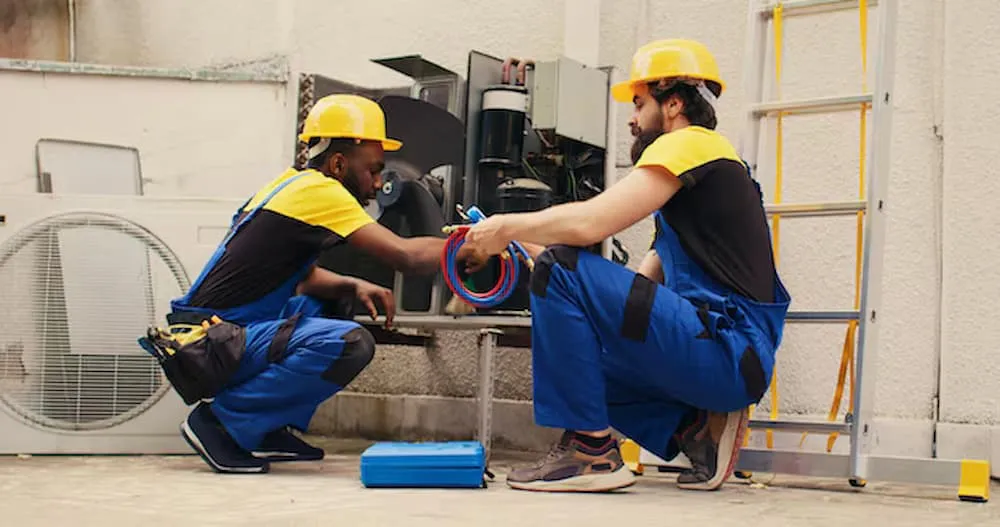

Commercial refrigeration systems play a vital role in restaurants, grocery stores, food processing facilities, markets, hotels, and other businesses that depend on dependable temperature control. Because these systems operate continuously under demanding conditions, even a minor fault can affect inventory, food safety, energy use, and daily operations. Reliable commercial refrigeration repair Southern California services help businesses identify problems early and restore proper performance. Understanding common equipment types, warning signs, repair procedures, and maintenance practices allows facility managers to make informed decisions when refrigeration equipment begins showing signs of trouble.
Common Types of Commercial Refrigeration
Commercial refrigeration includes several equipment categories designed for different storage and operational requirements. Reach in refrigerators provide convenient access for frequently used ingredients, while walk in coolers and freezers accommodate larger quantities. Display cases maintain products at appropriate temperatures while allowing customers to view merchandise. Prep tables combine refrigeration with accessible workspace, making them useful in food service environments. Ice machines, undercounter units, refrigerated drawers, and specialized storage systems also require dependable cooling. Each system contains components that can develop different faults, so accurate diagnosis is important before repair work begins.
Why Professional Repair Matters
Professional refrigeration repair involves more than replacing a visibly damaged component. A qualified technician evaluates the entire system to determine why the problem developed and whether other components have been affected. Refrigeration circuits contain pressure sensitive components, electrical connections, controls, fans, motors, and temperature sensing devices that must work together correctly. An incorrect adjustment or unsuitable replacement part can create additional problems and reduce efficiency. Proper repair therefore focuses on identifying the underlying cause, restoring safe operation, and confirming that the equipment maintains the required temperature consistently after service.
Common Signs of Refrigeration Problems
Unusual Temperature Changes
Temperature fluctuations are among the clearest indications that commercial refrigeration equipment needs attention. A cooler that becomes warmer than its normal setting may have restricted airflow, a failing condenser, a faulty sensor, inadequate refrigerant, or another mechanical issue. Excessively low temperatures can also indicate control problems or incorrect settings. Businesses should monitor internal temperatures regularly and investigate unexpected changes rather than waiting for equipment to fail completely. Prompt attention can protect perishable inventory while helping technicians identify developing faults before they become more complicated and expensive.
Excessive Frost or Ice
Frost accumulation inside a refrigerator or freezer can indicate problems with defrost controls, door seals, airflow, or operating conditions. A thin layer of frost may occur under certain circumstances, but excessive buildup can restrict airflow and force the system to operate longer. When ice begins covering evaporator coils or storage areas, cooling performance may decline noticeably. Technicians can inspect defrost heaters, timers, sensors, drains, and seals to determine the cause. Correcting the source is more effective than repeatedly removing ice without addressing the underlying refrigeration problem.
Strange Sounds or Odors
Unusual sounds can provide valuable clues about developing mechanical problems. Clicking, rattling, buzzing, grinding, or repeated cycling may indicate issues involving fans, motors, electrical controls, compressors, or other moving components. Unpleasant odors may have several causes, including blocked drains, spoiled products, standing water, or electrical concerns. Staff members who notice sudden changes should document when the symptoms occur and whether they correspond with temperature changes. Such information can help a technician diagnose the system more efficiently and determine whether immediate service is necessary.
Major Causes of Commercial Refrigeration Failure
Compressor Problems
The compressor is a central component in many refrigeration systems because it circulates refrigerant through the cooling circuit. Compressor problems may result from electrical faults, overheating, mechanical wear, contaminated refrigerant, inadequate lubrication, or prolonged operation under stressful conditions. Warning signs can include unusual noise, repeated shutdowns, excessive heat, or poor cooling performance. Because compressor replacement can be complex and costly, technicians generally test related components before recommending replacement. Proper diagnosis helps distinguish a compressor failure from control, airflow, electrical, or refrigerant problems that can create similar symptoms.
Condenser and Evaporator Issues
Condenser and evaporator components must transfer heat efficiently for refrigeration equipment to maintain stable temperatures. Dirty condenser coils can restrict heat release and increase operating pressure, while blocked evaporator airflow can reduce cooling throughout a storage area. Bent fins, clogged drains, damaged fans, and excessive debris can further reduce performance. Regular inspection and cleaning can help prevent these issues from developing into serious failures. When cooling problems occur, technicians examine both sides of the refrigeration cycle rather than focusing only on the component that appears visibly dirty or damaged.
Electrical and Control Failures
Modern commercial refrigeration equipment depends heavily on electrical controls and temperature management devices. Faulty wiring, worn contactors, damaged relays, failed sensors, loose connections, and malfunctioning control boards can cause inconsistent operation. Some electrical problems may appear as refrigeration failures because the cooling components stop receiving the correct signals. Technicians use appropriate testing procedures to evaluate voltage, continuity, control signals, and component condition. Electrical troubleshooting should be performed carefully because refrigeration equipment combines electrical systems with mechanical components. Correct identification of the failed control can prevent unnecessary replacement of otherwise functional refrigeration parts.
The Commercial Refrigeration Repair Process
Inspection and Diagnosis
A dependable repair process begins with a detailed inspection rather than an immediate component replacement. The technician typically reviews reported symptoms, checks operating temperatures, examines visible components, and evaluates system performance. Depending on the equipment, testing may include electrical measurements, airflow assessment, pressure evaluation, sensor checks, and inspection of refrigerant related components. The objective is to identify the actual source of failure and understand whether secondary damage has occurred. A thorough diagnostic process gives business operators clearer information about repair needs, expected service requirements, and possible future maintenance concerns.
Repair and Component Replacement
Once the cause has been identified, the repair can be planned according to equipment condition, operational requirements, and component availability. Common repairs may involve replacing worn fan motors, correcting electrical connections, servicing controls, clearing drains, repairing seals, cleaning coils, or addressing refrigerant circuit problems. Technicians should use components that are appropriate for the equipment and follow applicable manufacturer specifications. After repair, the system should be tested under normal operating conditions. This final evaluation helps confirm that temperatures are stable and that the equipment is functioning correctly before regular business operations resume.
Emergency Refrigeration Repair Considerations
Refrigeration failures can become urgent when businesses store valuable or highly perishable products. A sudden loss of cooling may create inventory risks, disrupt food service, and increase operating costs if the equipment remains out of service. Businesses should have procedures for documenting temperatures, protecting products, restricting unnecessary door openings, and contacting qualified repair professionals. Emergency service should focus first on stabilizing the situation and identifying the primary failure. Once immediate cooling concerns are addressed, a complete diagnostic evaluation can determine whether additional repairs or preventive measures are required to reduce the chance of another interruption.
Preventive Maintenance for Refrigeration Equipment
Routine Cleaning
Routine cleaning is one of the simplest ways to support refrigeration efficiency. Condenser coils, fan areas, filters, drains, door gaskets, and surrounding spaces should be inspected according to the equipment's operating environment. Dust, grease, food particles, and other debris can restrict airflow and increase the workload placed on refrigeration components. Cleaning schedules may need to be more frequent in busy kitchens, food production areas, and locations with airborne grease. Consistent housekeeping helps equipment release heat effectively while allowing staff to notice damaged seals, unusual buildup, or other warning signs earlier.
Temperature Monitoring
Consistent temperature monitoring provides an important layer of protection for refrigerated products and equipment. Businesses can establish routine checks and maintain records that show whether temperatures remain within required operating ranges. Sudden changes may reveal developing equipment problems before a complete failure occurs. Monitoring can also help identify patterns associated with busy periods, frequent door openings, loading practices, or environmental changes. When temperature records are reviewed alongside service history, facility managers can make better decisions about maintenance timing and recognize recurring problems that deserve more detailed technical investigation.
Choosing a Refrigeration Repair Service
Selecting a qualified refrigeration service provider requires attention to experience, responsiveness, diagnostic ability, and familiarity with commercial equipment. Businesses should consider whether technicians understand the specific type of refrigeration system involved and whether the service process includes comprehensive testing. Clear communication is also important because facility managers need understandable information about the problem, recommended repairs, and equipment condition. A dependable provider should prioritize accurate diagnosis rather than unnecessary component replacement. Businesses can also benefit from establishing a service relationship before an emergency occurs, allowing repair needs to be handled more efficiently when unexpected failures arise.
Protecting Efficiency and Long Term Performance
Efficient refrigeration depends on more than a functioning compressor. Correct airflow, clean heat transfer surfaces, intact door seals, accurate controls, suitable operating temperatures, and regular maintenance all influence system performance. When one component operates outside normal conditions, other components may work harder to compensate, increasing energy consumption and mechanical stress. Timely repair can therefore support both immediate reliability and longer equipment life. Businesses that combine routine maintenance with professional diagnosis are generally better positioned to control operating expenses, protect stored products, and reduce the disruption associated with unexpected refrigeration failures.
Conclusion
Commercial refrigeration is essential to many Southern California businesses, making dependable equipment performance an operational priority. Early recognition of temperature changes, unusual sounds, frost buildup, odors, and repeated cycling can help identify developing problems before they become major failures. Professional diagnosis, appropriate component replacement, routine cleaning, temperature monitoring, and preventive maintenance all contribute to reliable refrigeration. Businesses that treat repairs as part of a broader equipment care strategy can improve efficiency while protecting valuable inventory. For businesses seeking dependable service and informed refrigeration support, Refrigeration Control Company can be considered as a professional resource for commercial refrigeration needs.

























Sign in to leave a comment.