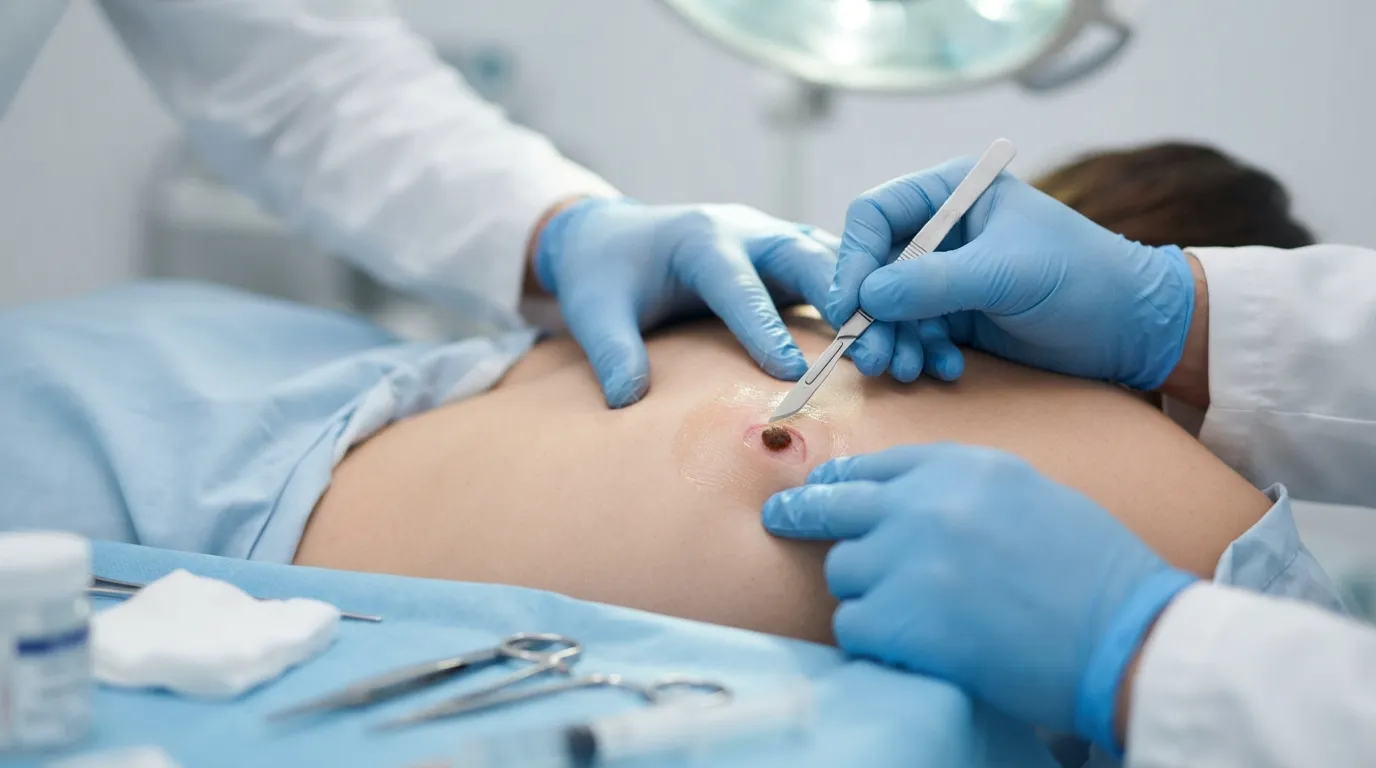

Moles are a common feature of human skin. Most people have them, and they are usually nothing to worry about . However, for many, they can be a source of self-consciousness or even a health concern. If you have a mole that you are unhappy with or one that has started to change, you might be considering having it removed. This is a decision that involves both your health and your confidence, and understanding your options is the first step .
Moles, known medically as melanocytic naevi, are growths on the skin that occur when melanocytes, the pigment-producing cells, cluster together . While the vast majority are benign, some can develop into melanoma, a type of skin cancer . At Beautiful Beings Clinic, based in Kirk Ella, East Yorkshire, we have been providing expert aesthetic and surgical care for over 23 years, offering a comprehensive range of treatments to help you feel your best.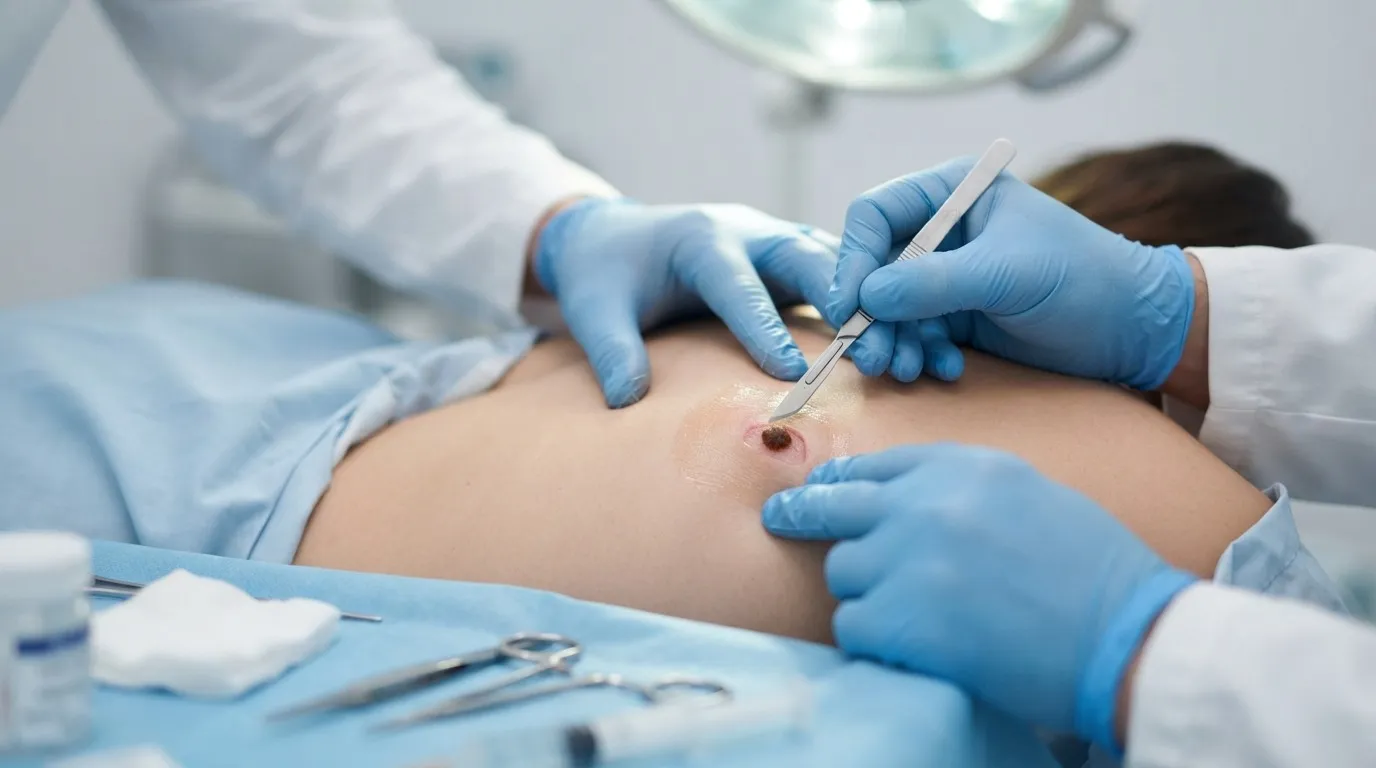
What Are the Reasons for Mole Removal?
People choose to have a mole removed for two primary reasons: medical necessity and cosmetic preference. On the NHS, mole removal is usually only provided when a mole is suspected to be cancerous . If a GP is concerned, they will refer you to a specialist through a two-week suspected cancer pathway.
For private patients, the reasons are often broader. Many choose to have a mole removed simply because it looks unsightly or is situated in a prominent place, like the face, affecting their self-confidence . Some moles can also be troublesome, catching on clothing, jewellery, or being nicked while shaving . Private treatment offers the flexibility to address these concerns quickly and discreetly.
When Is Mole Removal Medically Necessary?
While many removals are for cosmetic reasons, medical evaluation is paramount. A mole that displays concerning features should be assessed by a professional. Specialists use the ABCDE criteria to evaluate moles: Asymmetry in shape, Border irregularity, Colour variation within the lesion, Diameter greater than 6mm, and Evolution or change over time .
Any mole that is new, growing, bleeding, itching, or otherwise changing warrants prompt medical evaluation . If a mole is found to be suspicious, a surgical excision is often recommended to remove the entire mole and a margin of surrounding skin for thorough histological analysis . This is the preferred method for suspected melanoma, as it preserves the full depth of the lesion, which is essential for accurate diagnosis .
What Are the Different Methods of Mole Removal?
There are several techniques a clinician might use to remove a mole, and the choice depends on the mole's type, location, and whether it is suspected to be cancerous .
Shave Excision
This is a common technique used for raised, benign moles . A fine surgical blade is used to shave the mole flush with or slightly below the surrounding skin surface . The wound heals by secondary intention, and no sutures are required. This method is quick, produces a flat scar, and is well-suited for moles on the trunk and limbs . It is often preferred for cosmetic removal of clearly benign lesions .
Surgical (Elliptical) Excision
This method is the standard for suspicious moles . It involves cutting around the mole in an elliptical shape and removing it along with a small margin of healthy skin . The wound is then closed with sutures, which are usually removed 7-14 days later, depending on the location . This technique provides a full-thickness specimen, which is critical for accurate histopathological assessment when melanoma is suspected . It results in a fine linear scar that can be well-hidden by placing it along natural skin creases .
Other Techniques
Other less common methods include punch excision, where a circular blade removes the mole entirely, and cryotherapy, which uses liquid nitrogen to freeze and destroy the tissue, often used for smaller or basal skin cancers . Some clinics also offer laser removal or cauterization, particularly for small growths . However, regardless of the cosmetic reason for removal, most reputable clinics will still recommend sending the removed tissue for histological analysis to ensure no abnormality is overlooked .
What Is the Recovery Process After Mole Removal?
Proper aftercare is essential for promoting healthy healing and minimising scarring . The recovery timeline varies based on the technique used.
The Initial Healing Phase
For the first few days, you can expect mild redness, tenderness, and slight swelling around the area . A small scab may form within the first week, and it is crucial not to pick at it, as this can delay healing and increase the risk of scarring .
It is important to keep the area clean and dry, gently cleansing it with mild soap and water . Your clinician will advise you to apply a healing ointment to prevent infection and keep the wound moist. You should also avoid swimming, saunas, and heavy exercise to prevent infection and wound breakdown .
Scarring and How to Minimise It
All mole removal procedures will result in a permanent scar, as any intervention that cuts into the deeper layers of the skin disrupts the integrity of the dermis . However, the visibility of the scar can be significantly influenced by the technique used and the quality of aftercare .
Shave excisions often leave a flat, circular scar that can blend well over time, while surgical excisions leave a fine linear scar, which is often placed along natural skin creases to be as discreet as possible . To minimise scarring, protect the area from sun exposure for at least six weeks, as UV rays can darken new skin and make the scar more prominent . Once the wound has fully closed, silicone gels or creams can help flatten and soften the tissue . It's important to remember that a scar matures over 12 to 18 months, gradually fading and flattening .
Frequently Asked Questions About Mole Removal
Q: What is the difference between shave excision and surgical excision?
A: A shave excision removes the raised portion of a mole and is typically used for benign, raised lesions. Surgical (elliptical) excision completely removes the mole and a small margin of skin, and is preferred for suspicious moles where a full-thickness biopsy is needed .
Q: Will mole removal leave a scar?
A: Yes, all mole removal procedures will result in a permanent scar . The appearance of the scar depends on the technique used, the location of the mole, and the aftercare you follow. Surgeons aim to create scars that are as small and well-hidden as possible .
Q: Is mole removal on the NHS?
A: The NHS usually only provides mole removal when a mole is suspected to be cancerous. It does not routinely provide mole removal for purely cosmetic reasons .
Q: How long does it take to recover from mole removal?
A: The initial healing takes about 1-2 weeks, during which a scab will form and fall off. However, the scar will continue to mature over several months to a year .
Q: Is it painful to have a mole removed?
A: No, the area will be numbed with local anaesthesia, so you won't feel any pain during the procedure .
Customer Testimonials
Our patients' experiences are at the heart of what we do.
- "I had a mole on my face that I had been self-conscious about for years. The procedure at Beautiful Beings Clinic was so quick and straightforward. The team explained everything, and the result is a tiny, faint scar that I can easily hide. I wish I had done it years ago!"
- "I noticed a mole had started to change colour. I was terrified, but the team was so reassuring. They removed it quickly and sent it for biopsy. I was so relieved when it came back benign. The peace of mind was worth everything."


























Sign in to leave a comment.