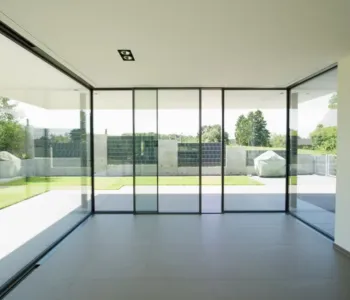

Sliding glass doors are one of the most convenient features of any home or business, offering natural light, easy access to outdoor spaces, and a modern look. But like any mechanical fixture, they wear down over time. Rollers stick, glass cracks, locks jam, and frames misalign. When this happens, most property owners are left with one big question: how much will it cost to fix?
In this guide, we break down everything you need to know about sliding glass door repair costs, the factors that affect pricing, and how to avoid overpaying for a fix that should be simple and affordable.
Why Sliding Glass Door Repairs Vary in Price
There is no single fixed price for sliding door repair because every job is different. The final cost depends on several factors, including the type of damage, the size and material of the door, the brand of hardware involved, and how quickly you need the repair completed. A minor roller adjustment will always cost far less than a full glass panel replacement, and a repair on a standard residential door will typically be cheaper than one on a heavy commercial unit.
Location also plays a role. Labor rates differ from city to city, and emergency or after-hours repairs usually come with an added premium. Understanding these variables helps you set realistic expectations before a technician even walks through your door.
Common Sliding Door Problems and Their Typical Costs
1. Roller Replacement
Rollers are among the most frequently replaced parts on a sliding door. Over years of daily use, they wear out, causing the door to stick, drag, or come off its track entirely. Roller replacement is usually one of the more affordable repairs, since it involves swapping out small hardware components rather than replacing large sections of the door itself. Pricing depends on the roller type, whether both sides need replacement, and how accessible the track system is.
2. Glass Repair and Replacement
Cracked, shattered, or fogged glass is one of the most noticeable and urgent issues homeowners face. Repair costs here depend heavily on the type of glass installed, such as tempered, laminated, or insulated dual-pane glass, as well as the size of the panel. Dual-pane or energy-efficient glass tends to cost more to replace because of the specialized materials and sealing process involved. In many cases, if only the glass is damaged and the frame is intact, replacing just the glass panel is far more cost-effective than replacing the entire door unit.
3. Lock Repair and Replacement
A broken or malfunctioning lock is both an inconvenience and a security risk. Lock repairs can range from simple adjustments and part replacements to installing an entirely new locking mechanism if the original hardware is outdated or discontinued. Costs vary based on the lock brand, whether it is a standard latch or a multi-point locking system, and if any additional security upgrades are requested at the same time.
4. Track and Frame Repair
Bent, corroded, or misaligned tracks can prevent a sliding door from opening and closing smoothly, even if the rollers themselves are in good condition. Frame damage is often caused by water exposure, impact, or age. Repairing a track is generally less expensive than repairing or replacing a damaged frame, since frame issues often require more extensive labor and materials.
5. Full Door Installation or Replacement
In some cases, repair simply is not enough. If a door has multiple issues, extensive frame damage, or is simply too old to repair cost-effectively, full replacement becomes the smarter long-term investment. While this is the most expensive option upfront, it often saves money over time by eliminating recurring repair costs on a failing unit.
Factors That Influence Your Final Repair Bill
Several additional factors can push repair costs up or down:
- Door size and material: Larger doors and premium materials such as aluminum-clad or high-end vinyl frames typically cost more to service.
- Age of the door: Older doors may require discontinued or custom-ordered parts, which can add to both cost and repair time.
- Severity of damage: A minor adjustment is far cheaper than a repair requiring full disassembly of the door system.
- Accessibility: Doors in hard-to-reach locations or upper floors may require additional labor time.
- Urgency: Emergency repairs, especially those needed outside normal business hours, often carry a premium due to the need for immediate response.
- Warranty coverage: If your door or its hardware is still under manufacturer or installation warranty, some or all of the repair cost may be covered.
How to Get an Accurate Repair Estimate
The best way to avoid surprise costs is to get a proper in-person or photo-based assessment before committing to any repair. A reputable technician will inspect the door, identify the exact cause of the problem, and provide a transparent breakdown of parts and labor before starting work. Be cautious of any company that gives a firm price over the phone without seeing the damage first, since sliding door issues often have underlying causes that are not visible at a glance.
It also helps to ask whether the quote includes both parts and labor, whether there is a service call fee, and whether the company offers any warranty on the completed repair. Doors with recurring issues, such as rollers that keep failing, may point to a deeper track or alignment problem that needs to be addressed to prevent the same repair bill from coming back again in a few months.
Repair or Replace? Making the Right Financial Decision
A helpful rule of thumb is to compare the cost of repair against the cost of full replacement. If the repair cost approaches half of what a new door installation would cost, and the existing door already has multiple wear issues, replacement is usually the smarter long-term choice. On the other hand, if the door is structurally sound and the issue is isolated, such as a single faulty roller or a cracked glass panel, repair is almost always the more economical route.
Regular maintenance also plays a major role in controlling long-term costs. Cleaning tracks, lubricating rollers, and addressing small issues early can prevent minor wear from turning into an expensive emergency repair down the line.
Why Choosing the Right Repair Company Matters
Cost is important, but it should never be the only factor in your decision. A company that uses quality replacement parts, offers clear pricing, and stands behind its work will save you money over time by getting the repair right the first time. This is especially true for anyone who needs a fast turnaround, since a rushed or low-quality repair often leads to the same problem resurfacing within months.
For property owners who cannot afford to wait, it is worth looking for a provider offering a same day sliding door repair service across the USA, so that a broken door, cracked glass panel, or jammed lock does not become a lingering security or safety concern.
Final Thoughts
Sliding glass door repair costs depend on a wide range of factors, from the type of damage and door material to urgency and location. While minor fixes like roller adjustments are generally affordable, more involved repairs such as glass replacement or frame correction naturally cost more due to materials and labor. The key to managing these costs is catching problems early, getting a transparent estimate, and choosing an experienced repair provider who can accurately diagnose the issue rather than simply replacing parts unnecessarily.
Whether you are dealing with a stuck door, a cracked glass panel, a broken lock, or worn-out rollers, understanding what drives repair pricing puts you in a much stronger position to make a confident, cost-effective decision for your home or business.
Frequently Asked Questions
1. How much does it typically cost to repair a sliding glass door?
Costs vary widely depending on the issue. Simple fixes like roller adjustments are generally the least expensive, while glass replacement or frame repair costs more due to materials and labor involved.
2. Is it cheaper to repair a sliding door or replace it entirely?
In most cases, repairing is more cost-effective if the damage is isolated to one component, such as a roller, lock, or glass panel. Replacement becomes the better financial choice only when the door has multiple issues or extensive structural damage.
3. Does homeowner's insurance cover sliding glass door repair?
Coverage depends on the cause of damage. Repairs resulting from accidents, storms, or break-ins may be covered, while general wear and tear from age is typically not included under standard policies.
4. How long does a sliding glass door repair usually take?
Minor repairs, such as roller or lock replacement, can often be completed within a few hours. More involved jobs, like full glass panel replacement, may take longer depending on part availability and the extent of the damage.























Sign in to leave a comment.