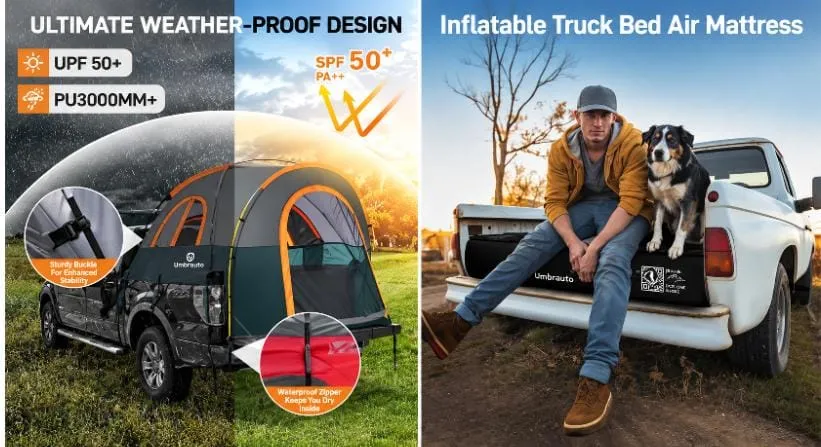

A bare truck bed does not make a comfortable campsite on its own. Cold metal, uneven ridges, and no rain cover turn an easy trip into a rough night. A solid pickup truck camping setup solves each of these problems in order, starting with shelter and ending with the small comforts that make a trip enjoyable.
This guide walks through shelter options, sleep systems, storage, and power, so you can build a setup that matches your truck and your travel style. You do not need a full camper build to sleep well in a truck bed.
What a Pickup Truck Camping Setup Needs
A working setup covers four basics: shelter from weather, a flat sleeping surface, storage for gear, and a light source. Skip any one of these and comfort drops fast on a cold or wet night. Each layer builds on the one before it, so the order you add gear actually matters.
Start with shelter, since it protects everything else you bring. Add the sleep system next, then layer in storage and power based on trip length. A short weekend trip needs less gear than a week on the road, so scale each layer to match how long you plan to be out.
Choose Your Shelter
Shelter is the first decision in any truck bed build. It determines how much rain, wind, and bugs you deal with overnight. Most campers choose between a removable tent and a fixed topper, and the right answer depends on how often you camp and how much you want to modify your truck.
Truck Bed Tents

A truck bed tent attaches directly to your truck bed rails and encloses the space with waterproof fabric. It sets up in minutes and packs down small when you are done, which makes it a practical choice if you do not want a permanent modification to your truck. The Umbrauto truck bed tent with awning adds a shaded porch area for cooking or relaxing outside the sleeping space. Look for mesh windows and side vents, since airflow reduces condensation on cool nights. Measure your truck bed length before you buy, since fit varies between short and standard beds.
Toppers and Canopies
A hard topper or camper shell offers more permanent protection and extra headroom. It costs more and stays on the truck full time, but it holds up across many seasons of use. Fiberglass toppers are more streamlined and can improve fuel economy on long drives. Aluminum toppers weigh less to install and are easier to modify with racks or vents. Choose a topper if you camp often, and a tent if you camp only a few times a year.
Measure and Prep Your Truck Bed
Every truck bed camping setup starts with accurate measurements. Guessing leads to a tent or mattress that does not fit.
Follow these steps before you buy any gear.
- Measure bed length from the tailgate to the front wall.
- Measure width between the wheel wells and at the tailgate.
- Note any bed liner or toolbox that reduces usable space.
- Clean the bed and remove sharp debris.
- Check for a bare metal floor or a spray in liner, since this affects padding choice.
Write these numbers down and keep them with you when you shop. A tent or mattress that matches your exact bed size fits tighter and performs better in wind. If your truck has a spray in liner, factor its added height into any platform or mattress you plan to install.
Build a Comfortable Sleep System
Your sleeping surface matters as much as your shelter. A cold, uneven bed ruins sleep even under the best tent. The goal is a flat, insulated base that keeps the truck bed's ridges and cold metal away from your body.
Mattress and Padding
Choose a truck bed air mattress sized for your bed, or stack closed cell foam pads for a simpler option. Add an insulated pad underneath in cold weather, since heat loss through the truck bed floor is a common complaint. A sleeping bag rated below your expected overnight low keeps you warm through the night. In warmer months, a lighter quilt or liner is often enough, so match your bedding to the season rather than packing one setup for every trip.
Pickup Truck Camping Setup
Round out your sleep system with a few extras. Pack a pillow, a liner blanket, and a headlamp within reach. Keep a small towel nearby to wipe condensation from tent walls in the morning. Follow the fabric care instructions for your tent or mattress to extend its life.
Add Storage, Lighting, and Power
A tidy truck bed feels bigger and sleeps better. Loose gear digs into your back and gets lost in the dark.
A few additions keep the space organized and functional after sunset.
- Use stackable bins to separate food, clothing, and cooking gear.
- Hang a battery powered lantern from the tent frame or topper.
- Bring a portable power bank for phones and small lights.
- Store food away from your sleeping area in bear country.
- Keep a small mat at the entrance to limit dirt inside.
Test your lighting and power setup at home before your first trip. It is easier to fix a dead battery in your driveway than in the dark at camp. Charge every device fully before you leave, and pack a paper map as a backup if you plan to travel outside cell coverage.
Grow Your Pickup Truck Camping Setup Into Bigger Trips
Many truck campers eventually add a travel trailer for longer trips or larger groups. The core comfort lessons, shelter, a good sleep system, and organized storage, carry over directly.
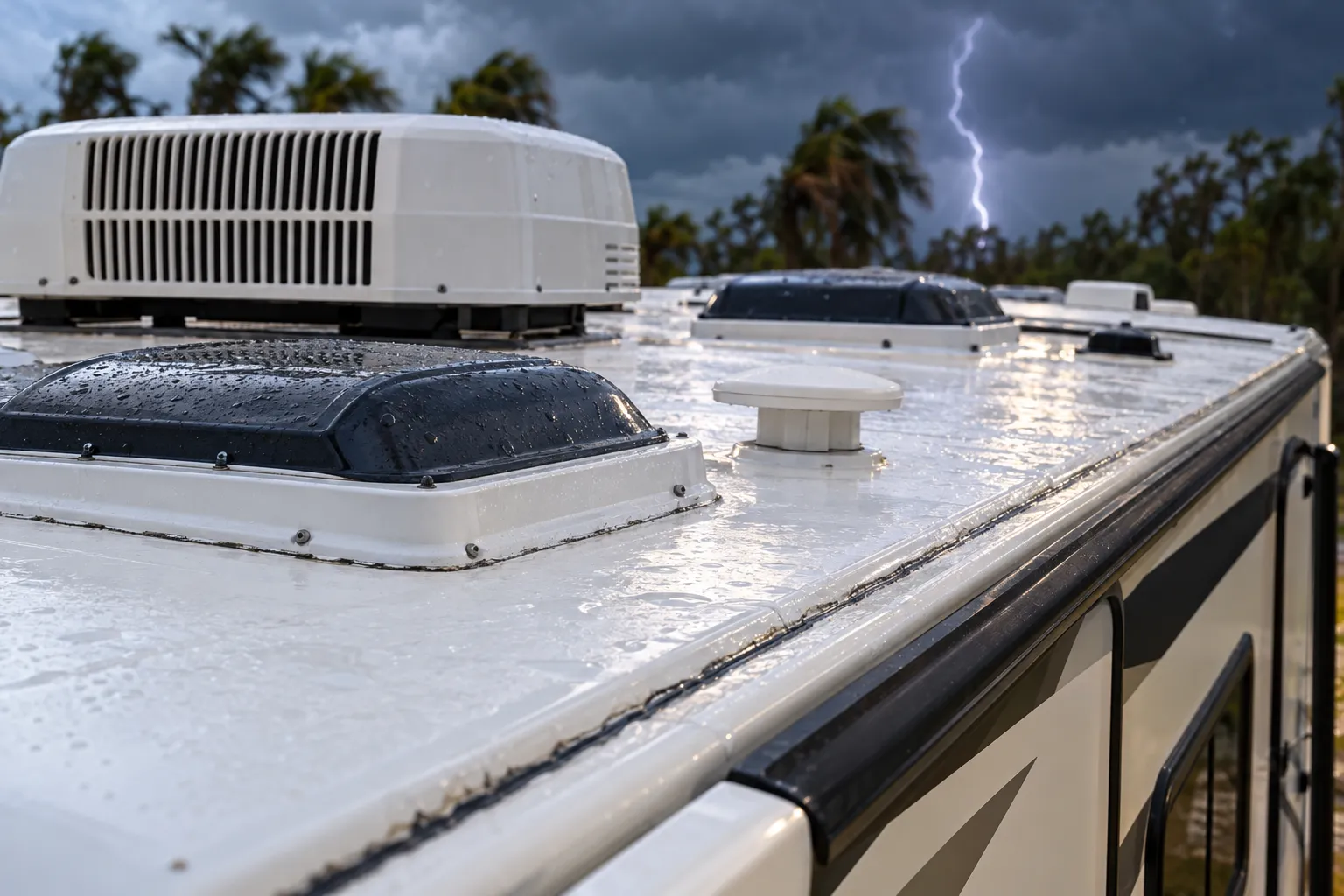
If you park a travel trailer outside between trips, protect it the same way you protect your truck gear. The Umbrauto RV cover for 27 to 30 foot travel trailers fits trailers in that length range and shields the exterior from sun, rain, and debris. Measure your trailer, including the ladder and spare tire, before you buy a cover.
Whether you stick with truck bed camping or move up to a trailer, the same principles apply. Match your gear to your rig's exact dimensions, and protect what you are not using. Rotate your gear seasonally, and inspect straps, seams, and zippers before each new trip so small wear does not turn into a bigger repair.
Conclusion
A dependable pickup truck camping setup comes down to a few clear layers: shelter, a comfortable sleep system, smart storage, and reliable power. Measure your truck bed first, then choose gear that fits those numbers exactly. Add a tent or topper for protection, build a sleep system that handles your coldest expected night, and keep your gear organized so mornings start easier. None of these steps require expert skills or a large budget. They require a little planning before your first trip. Follow the manufacturer instructions for any tent, mattress, or cover you buy, and check your gear at home before you head out.
Once your setup is dialed in, a night in the truck bed can feel as comfortable as a night in any campground. Start with the basics this weekend, and build from there.






















Sign in to leave a comment.