The Connection Between Your Diet and Strong, Healthy Teeth

When people think about dental care, they usually picture a toothbrush, floss, and a visit to the dentist. Those matter, but they are only part of the picture. What you eat and drink every day shapes the health of your teeth and gums as much as how well you clean them. Your mouth is the first stop for everything you consume, so it makes sense that food choices have a direct effect on your smile.
How Food Affects Your Mouth
Your mouth is home to hundreds of types of bacteria. Some are harmless, while others contribute to cavities and gum disease. When you eat sugars and refined carbohydrates, harmful bacteria use them as fuel and release acids that weaken tooth enamel. Each time this happens, your teeth lose minerals. Saliva and fluoride help put those minerals back, but constant snacking can keep the balance tipped toward damage.
An experienced dentist will often point out that diet and dental health are closely connected, and nutrition advice from an experienced dentist can help you build habits that support your teeth between visits. It is not only about avoiding candy. How often you eat, which foods you pair together, and what you drink alongside meals all influence how your teeth hold up over time.
Nutrients Your Teeth Need
Teeth and gums are living tissues that rely on a steady supply of nutrients.
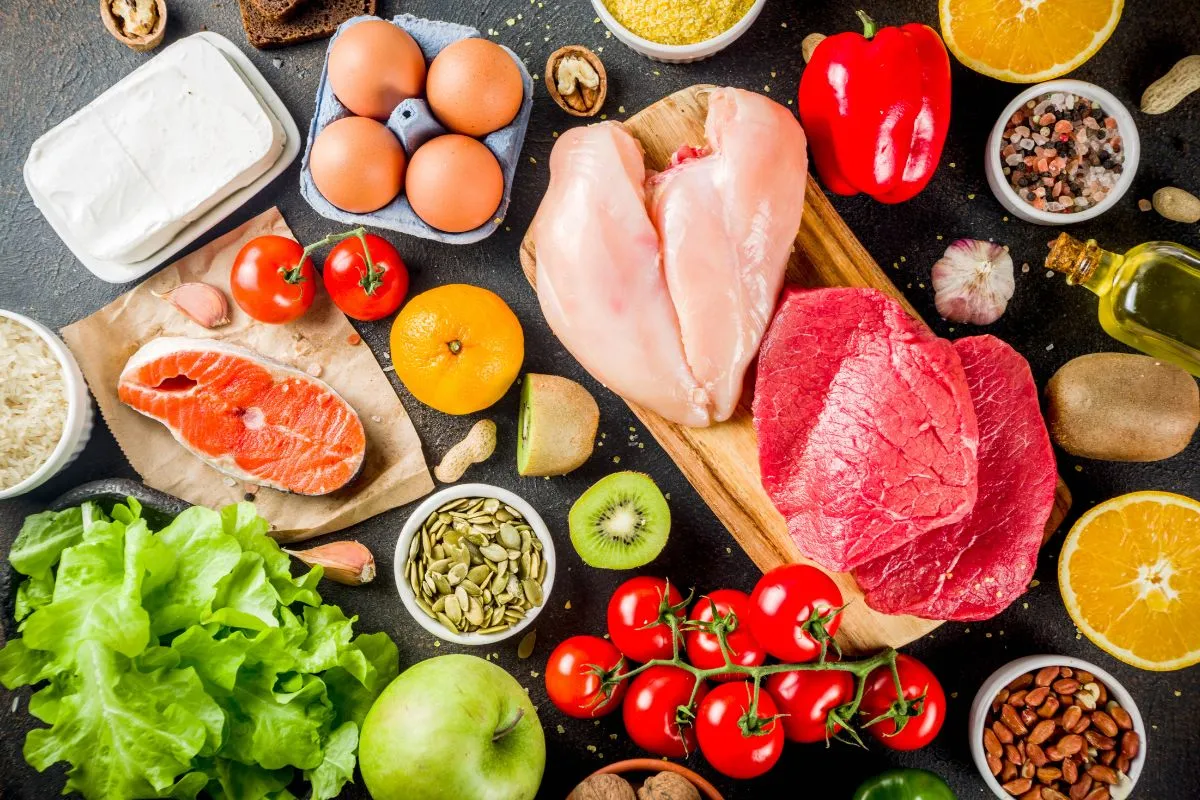
- Calcium strengthens teeth and the jawbone. Dairy products, leafy greens, almonds, and fortified plant milks are good sources.
- Phosphorus works with calcium to rebuild enamel. Find it in eggs, fish, lean meat, nuts, and beans.
- Vitamin D helps your body absorb calcium. Sunlight, fatty fish, and fortified foods all contribute.
- Vitamin C keeps gum tissue firm and resilient. Citrus fruits, strawberries, and bell peppers are rich in it.
- Vitamin A supports healthy saliva production. Carrots, sweet potatoes, and spinach are excellent choices.
A diet low in these nutrients can leave teeth more vulnerable and gums more prone to inflammation.
Foods That Support a Healthy Smile
Crunchy fruits and vegetables. Apples, carrots, and celery stimulate saliva flow while you chew, which helps wash away food particles and neutralize acids.
Cheese and plain yogurt. Dairy provides calcium and phosphate, and cheese can raise the pH in your mouth after a meal.
Leafy greens. They are low in sugar and packed with vitamins and minerals that support teeth and gums.
Nuts and seeds. They deliver minerals and healthy fats without feeding cavity-causing bacteria.
Water. It rinses the mouth, supports saliva, and in many areas contains fluoride that strengthens enamel.
Foods and Habits That Work Against You
- Sticky sweets such as caramels, gummies, and dried fruit cling to teeth and keep sugar in contact with enamel for hours.
- Refined carbohydrates like chips and white bread break down into sugars that bacteria feed on.
- Sugary and acidic drinks bathe teeth in acid, especially when sipped slowly.
- Constant snacking gives your mouth no break to recover between acid attacks.
- Hard foods such as ice can chip or crack teeth.
Practical Tips for a Tooth-Friendly Diet
- Limit snacking between meals. Fewer eating occasions means fewer acid attacks.
- Pair sweets with meals. Saliva production is higher during meals, which helps neutralize acid.
- Drink water after eating. A quick rinse clears away sugar and debris.
- Choose whole foods. Fresh fruits, vegetables, whole grains, and lean proteins support overall health.
- Read labels. Added sugars hide in sauces, granola bars, and flavored yogurts.
- Keep up your routine. Brush twice a day with fluoride toothpaste, floss daily, and see your dentist regularly.
Putting It All Together
Strong, healthy teeth are built in the kitchen as much as at the bathroom sink. A balanced diet rich in calcium, vitamins, and fresh whole foods gives your teeth the materials they need, while limiting sugary, sticky, and acidic items reduces the damage that builds up over time. Combine smart eating habits with consistent brushing, flossing, and professional checkups, and you give yourself the best chance at a healthy smile for life.






Sign in to leave a comment.