

As cities, towns, and communities worldwide focus on sustainability and environmental responsibility, infrastructure improvements have become a key part of reducing ecological impact. Street lighting is one of the most essential public services, but traditional lighting systems often consume large amounts of energy and require frequent maintenance. Modern LED street lights have transformed the lighting industry by providing a highly efficient, durable, and environmentally friendly alternative.
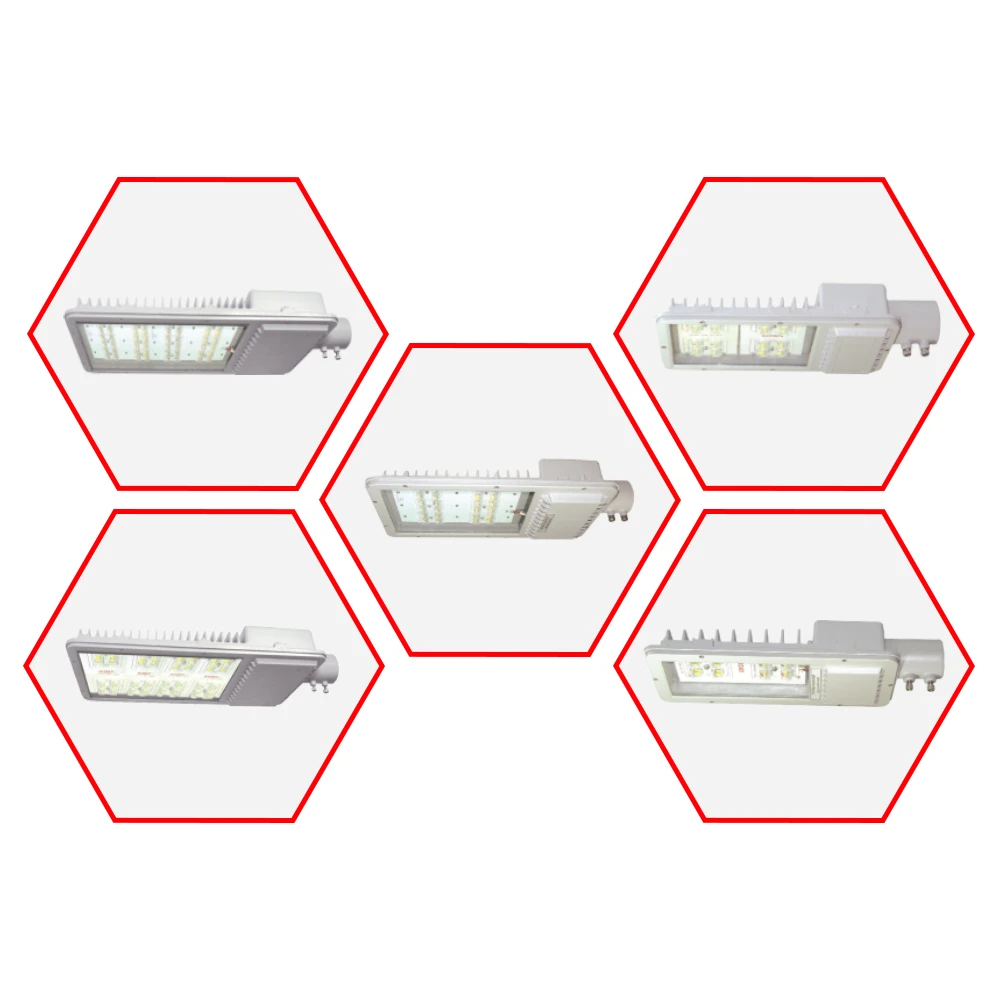
Sigma Search Lights Ltd is committed to delivering advanced LED street lighting solutions that not only improve visibility and public safety but also support environmental sustainability. By replacing conventional lighting technologies with modern LEDs, municipalities and organisations can significantly reduce their carbon footprint while benefiting from improved performance and lower operating costs.
Reducing Energy Consumption
One of the most significant environmental benefits of LED street lights is their exceptional energy efficiency. Traditional street lighting technologies, such as high-pressure sodium, mercury vapour, and metal halide lamps, require substantial amounts of electricity to operate effectively.
LED street lights consume considerably less energy while delivering the same or even greater levels of illumination. This reduction in power consumption directly decreases the demand placed on electrical grids and power generation facilities.
Since a large portion of the world's electricity is still generated using fossil fuels, lower energy consumption results in reduced greenhouse gas emissions. Communities that adopt LED street lighting contribute to global efforts to combat climate change by lowering their overall carbon output.
The relationship between energy use and carbon emissions is closely connected. The more electricity a lighting system consumes, the greater its environmental impact. By significantly reducing energy requirements, LED street lights help decrease carbon dioxide emissions associated with electricity generation.
For municipalities operating thousands of street lights, the environmental benefits can be substantial. Even modest reductions in energy use per fixture can result in significant annual carbon savings across an entire lighting network.
As governments and organisations work toward sustainability targets and net-zero objectives, upgrading to LED street lights represents an effective and practical solution for reducing environmental impact.
Longer Lifespan Means Less Waste
Another major environmental advantage of LED street lights is their extended operational lifespan. Traditional street lamps often require replacement every few years, generating large amounts of waste in the form of used bulbs, fixtures, and maintenance materials.
LED street lights are designed to last significantly longer, often providing reliable performance for 50,000 hours or more. This extended lifespan reduces the frequency of replacements and minimises the volume of discarded lighting components.
By generating less waste over time, LED technology helps conserve natural resources and reduces the burden on waste management systems. Fewer replacements also mean less packaging, transportation, and manufacturing activity, further lowering environmental impact.
Eliminating Hazardous Materials
Many conventional lighting technologies contain materials that can pose environmental risks when disposed of improperly. Mercury vapour lamps, for example, contain mercury—a toxic substance that can contaminate soil and water if not handled correctly.
Modern LED street lights do not contain mercury or many of the hazardous chemicals found in traditional lighting systems. This makes them a safer option for both the environment and maintenance personnel.
The absence of toxic materials simplifies disposal and recycling processes while reducing the risk of environmental contamination throughout the product lifecycle.
Light pollution has become a growing concern in urban and suburban areas. Excessive or poorly directed lighting can disrupt ecosystems, affect wildlife behaviour, interfere with astronomical observations, and reduce the visibility of the night sky.
Modern LED street lights are designed with advanced optical systems that direct light precisely where it is needed. This targeted illumination reduces unnecessary light spill and minimises glare.
By focusing light on roads, pathways, and public spaces, LED street lights help limit light pollution while maintaining high levels of visibility and safety. This contributes to healthier ecosystems and a more balanced nighttime environment.
Supporting Wildlife Conservation
Artificial lighting can have a significant impact on wildlife, particularly nocturnal species that rely on natural darkness for navigation, feeding, and reproduction.
Because LED street lights can be engineered with controlled beam patterns and adjustable colour temperatures, they offer greater flexibility in minimising ecological disruption. Properly designed LED systems help reduce the impact of artificial lighting on birds, insects, and other wildlife.
Many municipalities now incorporate environmentally sensitive lighting strategies into their infrastructure projects, using LED technology to support biodiversity and habitat conservation efforts.
Reduced Maintenance and Transportation Impact
Frequent maintenance activities contribute to environmental impact through vehicle emissions, equipment use, and replacement material production. Traditional street lights often require regular servicing due to shorter lifespans and declining performance.
LED street lights require significantly less maintenance, reducing the number of service visits needed over their operational life. Fewer maintenance trips mean lower fuel consumption and reduced emissions from maintenance vehicles.
This benefit is especially important for large municipalities and rural areas where lighting infrastructure may be spread across extensive geographic regions.
Smart Lighting for Greater Sustainability
Modern LED street lights can be integrated with intelligent lighting management systems that further improve environmental performance. Smart controls allow lights to adjust brightness levels based on traffic flow, pedestrian activity, weather conditions, or specific time schedules.
For example, lighting levels can be reduced during periods of low activity and increased when movement is detected. This adaptive approach ensures efficient energy use without compromising safety.
Remote monitoring systems also enable operators to track performance, identify faults, and optimise energy consumption in real time. These capabilities make smart LED street lighting an important component of sustainable urban development.
Supporting Renewable Energy Integration
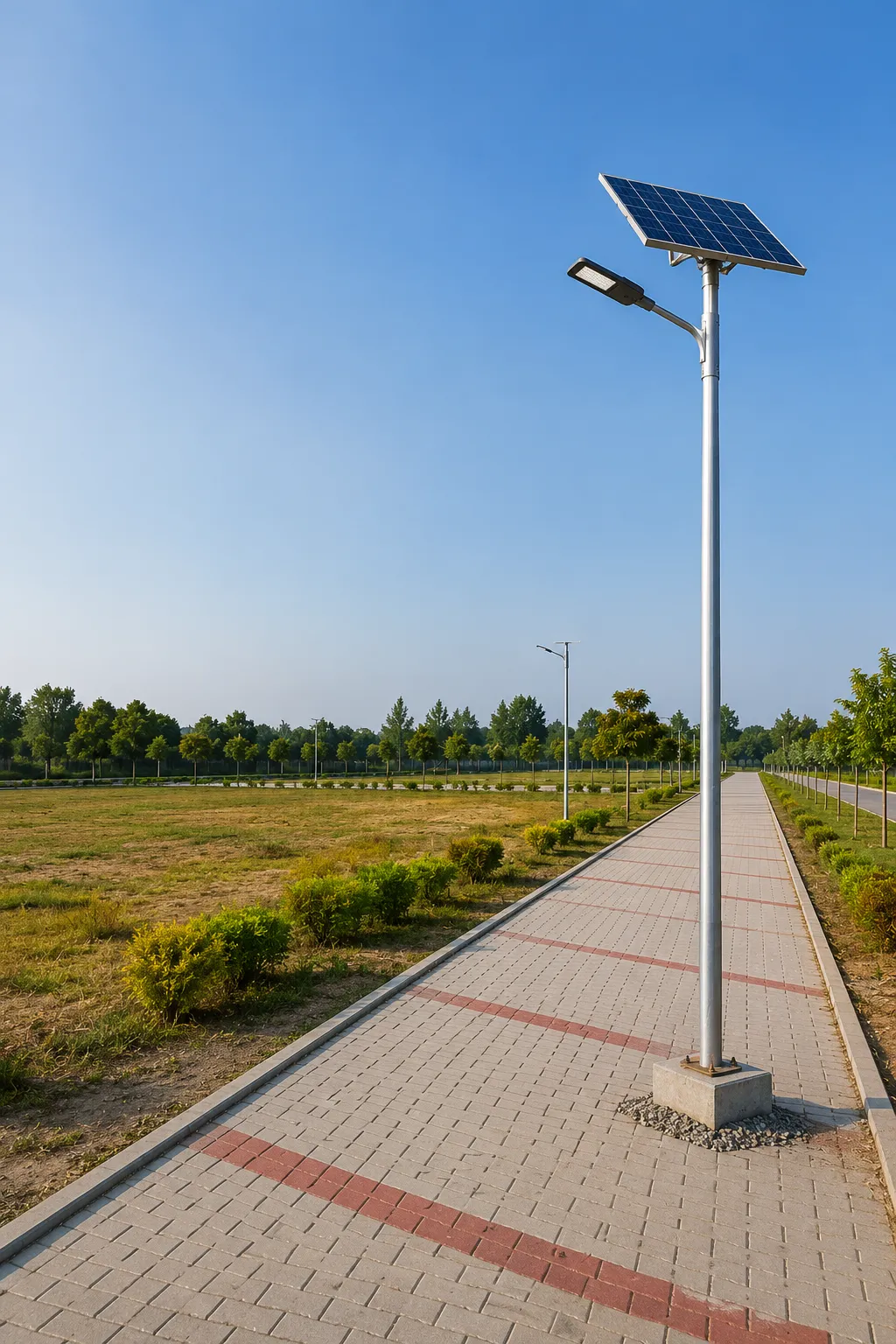
LED street lights are highly compatible with renewable energy systems, including solar-powered lighting installations. Their low energy requirements make them ideal for use in off-grid and hybrid lighting applications.
Solar-powered LED street lights help communities reduce dependence on conventional energy sources while providing reliable illumination in both urban and remote locations. This integration supports clean energy initiatives and contributes to long-term environmental sustainability.
Promoting Sustainable Urban Development
Sustainable cities require infrastructure that balances public needs with environmental responsibility. LED street lighting supports this goal by reducing energy consumption, lowering emissions, minimising waste, and improving resource efficiency.
As municipalities continue to modernise transportation networks, public spaces, and community facilities, LED technology plays a vital role in creating greener and more resilient urban environments.
Conclusion
Modern LED street lights offer a wide range of environmental benefits that extend far beyond energy savings. Their ability to reduce carbon emissions, minimise waste, eliminate hazardous materials, decrease light pollution, and support renewable energy integration makes them an essential component of sustainable infrastructure.
Sigma Search Lights Ltd remains dedicated to providing innovative LED street lighting solutions that help communities achieve their environmental and operational goals. By investing in advanced LED technology, municipalities and organisations can improve public lighting while contributing to a cleaner, safer, and more sustainable future.

























Sign in to leave a comment.