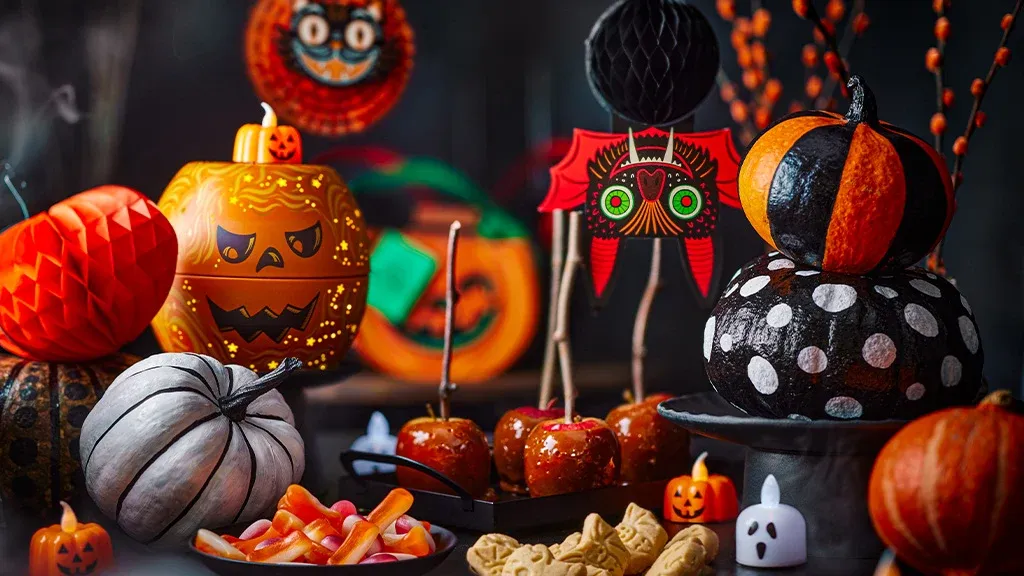

Imagine standing beside a fire on an autumn night centuries ago. The harvest is ending, winter is approaching, and the boundary between the familiar world and the supernatural feels unusually close. Now fast-forward to 2026: pumpkins glow on porches, adults wear elaborate costumes, children collect candy, and friends gather for Halloween parties. The evolution of Halloween is a remarkable journey across Celtic traditions, Christian observances, immigration, popular culture, and modern creativity—transforming an ancient seasonal festival into one of the world's most recognizable celebrations.

Where Halloween Really Began: The Story of Samhain
To understand Halloween, it helps to travel back more than a thousand years to the Celtic world. The ancient festival of Samhain is widely recognized as an important predecessor of Halloween. Traditionally associated with the end of the harvest and the beginning of winter, Samhain marked a seasonal transition that carried spiritual significance. The Library of Congress describes Halloween as having beginnings in an ancient pre-Christian Celtic festival of the dead called Samhain.
But the modern holiday cannot be explained as a simple one-to-one continuation of Samhain. Over centuries, different religious traditions, regional customs, and cultural practices interacted. That blending is precisely what makes the evolution of Halloween so fascinating.
Picture a community at the end of harvest season. The fields are changing, daylight is fading earlier, and winter is approaching. Seasonal uncertainty naturally becomes part of the cultural imagination. Stories about spirits, supernatural beings, ancestors, and the boundary between life and death become woven into autumn traditions.
Samhain and the Celtic Seasonal Calendar
Samhain was connected with the transition from the lighter half of the year to the darker half in Gaelic tradition. It was associated with seasonal change, communal gatherings, and beliefs concerning supernatural beings.
Modern Halloween retains echoes of this atmosphere through its fascination with ghosts, witches, darkness, masks, and the supernatural.
From Seasonal Festival to a Blended Tradition
The later history of Halloween involved interaction between pre-Christian customs and Christian observances. The Library of Congress explains that Christian feasts associated with All Saints and All Souls were placed around November 1 and 2, contributing to a blending of traditions that helped shape Halloween, or All Hallows’ Eve.
This is an important part of the evolution of Halloween: rather than following one straight line, the holiday developed through cultural layering.
How All Hallows’ Eve Became Halloween
The name itself tells part of the story. Halloween is connected to All Hallows’ Eve, meaning the evening before All Hallows’ Day, or All Saints’ Day, observed on November 1. October 31 therefore became associated with the threshold between the two dates.
Over time, customs surrounding this evening became increasingly diverse. Religious observances existed alongside folklore, games, fortune-telling traditions, disguises, and seasonal celebrations. Historic newspaper records held by the Library of Congress show Halloween customs appearing in American publications during the 19th and early 20th centuries.
The Meaning Behind “Halloween”
The word developed from the expression “All Hallows’ Eve.” Linguistic changes gradually shortened the phrase into the familiar “Halloween.”
That small change reflects a much larger transformation: a religiously connected evening gradually became a broader cultural celebration.
Halloween Crosses the Atlantic
As people migrated to North America, they brought seasonal customs and folklore with them. These traditions encountered other local practices and gradually developed into distinctly American Halloween customs.
The Smithsonian notes that although Halloween had clear antecedents in Samhain and other traditions, it did not become firmly established as a major U.S. holiday until the 20th century.
The Evolution of Halloween Traditions in America
The American version of Halloween developed into something increasingly social, playful, and community-oriented. Costumes, parties, decorations, games, pranks, and eventually trick-or-treating became central to the holiday.
One fascinating example is the development of trick-or-treating. The Smithsonian notes that late-19th-century Halloween was associated with mischief and vandalism, while historians have connected the later development of treat-giving with efforts to channel those traditions into organized, community-friendly activities. The custom became widespread in the United States during the 20th century.
From Mischief to Trick-or-Treating
The idea behind trick-or-treating combines playful threat and reward. Children dress up, visit homes, ask for treats, and traditionally threaten a “trick” if no treat is provided.
The practice became an iconic part of American Halloween, transforming neighborhood streets into social spaces filled with costumes and candy.
Costumes Become Central to Halloween
Costumes have always had connections to disguises and supernatural folklore, but modern Halloween expanded the possibilities dramatically.
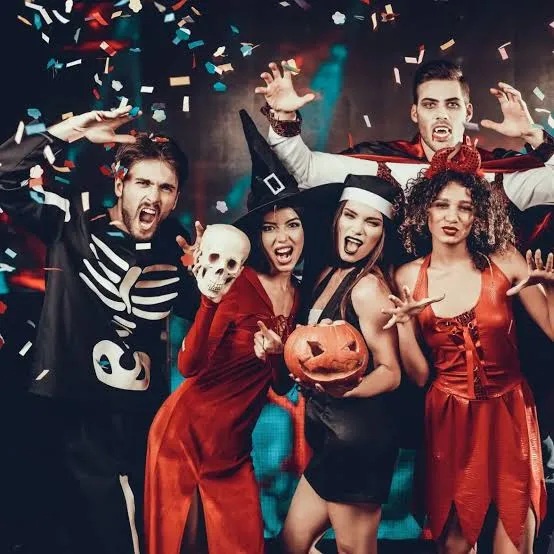
Today, costumes can represent monsters, movie characters, celebrities, professions, memes, historical figures, fictional characters, or completely original ideas. Halloween clothing has therefore become both a tradition and a form of self-expression.
How Pop Culture Changed Halloween Forever
If Samhain provided an ancient foundation and All Hallows’ Eve contributed religious context, modern pop culture gave Halloween an enormous creative playground.
During the 20th century, Halloween became increasingly connected with movies, television, advertising, music, comics, and consumer culture. Horror films helped popularize visual icons such as vampires, witches, ghosts, zombies, and masked killers, while mainstream entertainment turned Halloween into an opportunity for imaginative self-expression.
The Library of Congress now describes Halloween as one of the most popular holidays in contemporary America and notes that its popularity has spread globally.

Horror Becomes Part of the Celebration
Modern Halloween does not simply acknowledge fear—it plays with it.
Haunted houses, horror movies, ghost stories, scary decorations, and supernatural costumes allow people to experience controlled fear in a social environment. A dark hallway can become exciting rather than threatening when everyone knows it is part of the Halloween experience.
Halloween Becomes a Creative Lifestyle Moment
Halloween has also moved beyond October 31. Decorating, baking, costume planning, themed parties, Halloween T-shirts, movie marathons, and seasonal events can begin weeks before the actual date.
That evolution means Halloween today is as much about creativity and community as it is about historical tradition.
Halloween 2026: An Ancient Tradition in a Modern World
In 2026, Halloween continues to change while preserving recognizable elements from its long history. Halloween 2026 falls on Saturday, October 31, creating a convenient weekend setting for parties, family gatherings, costume events, haunted attractions, and community celebrations.
The modern holiday can look completely different from one person to another. One family may carve pumpkins and go trick-or-treating. A group of friends may organize a costume party. Someone else may spend the evening watching horror movies in a decorated living room.
Yet beneath these modern activities is the same fascination with seasonal change, mystery, imagination, and the unknown that has helped Halloween survive and transform across centuries.
From Ancient Firelight to Digital Creativity
A modern Halloween celebration might involve smartphone photography, social media costumes, themed playlists, digital invitations, and viral trends.
The technology has changed, but the underlying desire remains familiar: create an experience, tell a story, dress differently, and share the moment with others.
What Makes Halloween Still Relevant?
Halloween survives because it is remarkably adaptable. It can be spooky or funny, traditional or modern, religiously meaningful or purely recreational, family-oriented or designed for adults.
That flexibility is perhaps the most important chapter in the evolution of Halloween.
If you want to bring a little history into your modern celebration, explore our Halloween graphic T-shirts and choose a design inspired by classic monsters, autumn imagery, spooky humor, or contemporary Halloween culture.
Bringing the Evolution of Halloween Into Your Celebration
The next time you put on a Halloween costume or carve a pumpkin, remember that you are participating in a tradition shaped by centuries of cultural change. From Samhain and seasonal folklore to All Hallows’ Eve, immigration, community celebrations, trick-or-treating, entertainment, and modern pop culture, Halloween has continually reinvented itself.
The fascinating part is that the story is still being written.
On October 31, 2026, millions of people will once again dress up, decorate homes, share food, tell stories, watch scary movies, and create new Halloween memories. The date remains the same, but the way people celebrate continues to evolve.
So whether you prefer ancient-inspired atmosphere, classic costumes, modern horror, or playful Halloween fashion, there is room to make the tradition your own.
Complete your seasonal look with our spooky Halloween shirts, perfect for costume parties, fall gatherings, Halloween movie nights, or simply celebrating the holiday in everyday style. Wear a piece of Halloween history—and add your own chapter to its ever-evolving story.
Address: 1308 Clement St, San Francisco, CA 94118, USA
Mail: [email protected]
Follow us for more updates:




















Sign in to leave a comment.