

At 44, Michael had built the kind of career many people dream about.
He was a successful business owner in New York, had a growing team, a busy calendar, and clients across the country. His days were filled with board meetings, Zoom calls, business travel, and decisions that could not wait until tomorrow.
But lately, something had changed.
He was waking up tired. His shoulders were constantly tight. He had stopped going to the gym regularly, and even weekends felt like another extension of his workweek.
One Monday morning, after a stressful client call, Michael looked at his calendar and realized he had not taken a proper break in almost three weeks.
So he decided to fix the problem.
His first idea was simple: go back to the gym and train as hard as he used to in his 20s.
That plan lasted less than two weeks.
He was exhausted after workouts, sleeping poorly, and struggling to concentrate during afternoon meetings.
Michael eventually realized that he did not need to train harder.
He needed to train smarter.
For executives over 40, fitness is not simply about building muscle or losing weight. It is about managing stress, maintaining strength, protecting energy, and giving the body enough time to recover.
And this is where exercise for stress relief becomes an important part of an executive's lifestyle.
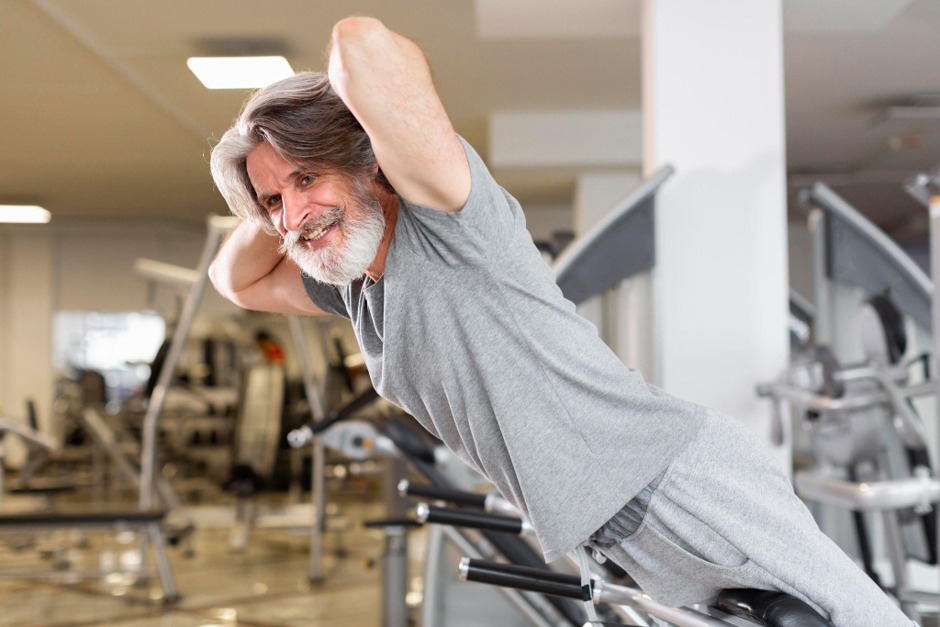
Why Does Stress Feel Different After 40?
Work stress does not automatically become worse after 40. But life often becomes more demanding.
You may have a business to run, employees to manage, children to support, financial responsibilities, and less free time.
At the same time, recovery can become more important. A late night followed by an intense workout may not feel as easy as it did at 25.
This does not mean you should stop training.
It means your training needs to fit your life.
The World Health Organization recommends that adults get 150–300 minutes of moderate-intensity aerobic activity each week, along with muscle-strengthening activities on at least two days. WHO also notes that physical activity can support mental health and reduce symptoms of anxiety and depression.
For a busy executive, that does not have to mean spending two hours in the gym every day.
How Can Exercise Help an Executive Handle Stress?
Imagine finishing a difficult business meeting.
Your mind is racing. You have five decisions waiting for you. Instead of immediately opening another email, you take a 30-minute walk.
By the time you return, your breathing is steadier and your thoughts feel more organized.
That is one crucial reason exercise for stress relief can be useful.
Exercise gives your body a break from sitting and your mind a break from constant decision-making. Walking, cycling, swimming, strength training, and other forms of movement can become part of a healthy stress-management routine.
WHO reports that physically inactive adults have a 20–30% higher risk of death compared with people who are sufficiently active.
The goal, however, is not to use exercise as another performance test. The goal is to use movement to support your performance.

Train for Strength, Not Exhaustion
Michael’s second mistake was training as if every workout had to leave him exhausted.
For someone managing a business, that approach can backfire.
A better strategy is to build a weekly routine around strength, mobility, and moderate cardio.
For example:
- 2–3 days: Full-body strength training
- 2–4 days: Walking or moderate cardio
- Daily: Short mobility or stretching sessions
- 1–2 days: Lighter recovery-focused movement
Strength training becomes useful because maintaining muscle and functional strength matters as we get older.
WHO recommends muscle-strengthening activities involving the major muscle groups on at least two days per week.
This is where healthcare performance strategies can become practical rather than complicated. Instead of chasing extreme workouts, executives can focus on sustainable habits that support work, health, and daily life.
What Should Recovery Look Like After 40?
One Friday, Michael finished an intense workout and went straight into another long day of meetings.
That night, he slept badly.
The next morning, he felt exhausted.
His first reaction was to blame his age.
But recovery is not simply about age. It is about the total load placed on your body.
Training is one form of stress. Business pressure, travel, poor sleep, long working hours, and lack of movement can add to that load.
That is why recovery should be a part of the training plan.
Try to protect:
- Consistent sleep
- Rest days
- Regular meals
- Hydration
- Light movement on recovery days
- Short breaks during long workdays
For an executive, exercise for stress relief should make you feel capable of handling the next day, not completely drained.
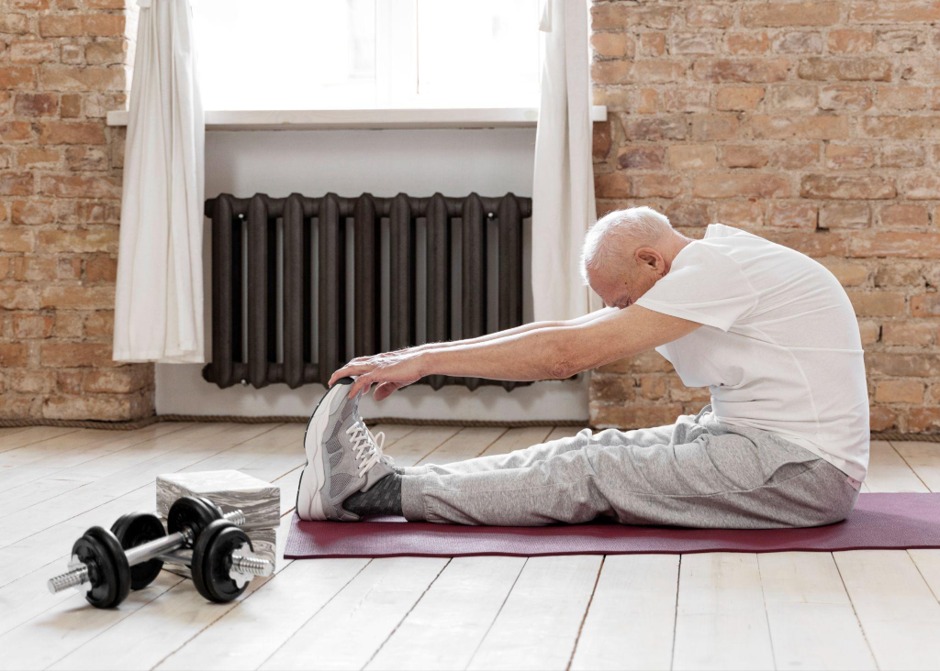
Don't Ignore Health Changes
After 40, it is also important to pay attention to changes in your body.
Persistent joint pain, unusual shortness of breath, dizziness, chest pain, or extreme fatigue should not simply be treated as signs that you need to "push through."
Certain health issues for seniors become more common with age, although being over 40 does not automatically make someone a senior. Existing health conditions, medications, fitness levels, and personal history all matter.
The same applies to healthcare performance strategies: good performance starts with understanding your individual health needs rather than copying somebody else's routine.
How Can Business Owners Make Exercise Fit Into a Busy Day?
For business owners, the biggest obstacle is not motivation.
It is time.
If you are wondering how to manage stress as a business owner, start by removing the idea that every workout needs to be long.
A 20-minute walk between meetings can be useful.
A 30-minute strength session before work can be enough to build consistency.
A short mobility routine after sitting for several hours can help you move more during the day.
Think of exercise as an appointment with your future self.
Here is a simple approach:
- Schedule workouts like business meetings.
- Keep at least two weekly strength sessions.
- Walk whenever possible.
- Avoid making every workout high intensity.
- Keep one or two lighter days each week.
- Adjust training when work pressure is unusually high.
For how to manage stress as a business owner, consistency matters more than perfection.

The 40+ Executive Fitness Rule: Build, Don't Break
There is a mindset shift that makes a major difference after 40. In your younger years, you may have trained to prove what your body could do.
Now, training can be about protecting what your body needs to keep doing.
That means:
- Strength without unnecessary exhaustion.
- Cardio without constantly pushing your limits.
- Mobility without complicated routines.
- And exercise for stress relief that supports your work rather than competing with it.
WHO emphasizes that some physical activity is better than none and recommends gradually increasing activity when starting from a low level.
That is an important lesson for busy executives: you do not need a perfect plan to begin.
You need a plan you can repeat.
Read More- https://ggperform.org/blogs/gg-perform/the-executives-guide-to-exercise-for-stress-relief-after-40





















Sign in to leave a comment.