The Footwear Franchise That's Actually Worth Your Money in 2026


Let's be honest. Most people who want to start a business don't want to build something from zero. They want a proven idea, a ready system, and a brand that already has people's trust. That's why franchises are so popular and why footwear franchises, in particular, are getting a lot of attention in 2026.
But here's the real question people are asking before they sign anything: Will I actually make my money back?
That's what ROI — return on investment — is all about—not just opening a store. Not just having a nice logo on the wall. But genuinely earning back what you put in, and then earning more on top of it.
So let's talk honestly about what makes a footwear franchise worth it, what kills ROI before it even starts, and why the right brand in the right market can change your financial life in 2026.

Why Shoes? Why Now?
Before we get into numbers and decisions, let's talk about why footwear makes sense as a business category right now.
People never stop buying shoes. It doesn't matter if the economy is up or down. Shoes wear out. Kids grow up. Seasons change. A new job needs new formal shoes. A wedding needs something special. A morning jog needs the right pair of sports shoes. Demand for footwear is constant — and in India, especially, it's growing fast.
The Indian footwear market is one of the largest in the world, and it's still expanding. With more people moving to cities, incomes rising steadily, and fashion awareness going up, branded footwear is no longer just for metro cities. People in smaller towns and districts want quality shoes too. They want brands they can trust.
This is exactly why footwear franchises are hot right now. The market is big, the demand is real, and the timing is right.
What Kills ROI in a Franchise?
If footwear is such a great business, why do some franchise owners struggle? The honest answer is — they pick the wrong partner.
Here's what tends to go wrong:
Too much upfront cost. Some franchises charge you heavily just to get the license, before you've even opened the doors. By the time you've paid for setup, interiors, branding fees, and initial inventory, you're already in a deep hole. Getting out of that hole takes years.
Poor margins on products. If you're buying shoes from the franchisor at near-retail price and then trying to sell them with a small markup, there's almost nothing left for you after covering rent and salaries. Margins matter more than almost anything else.
No marketing support. Many franchise owners are handed a brand name and then left alone to figure out how to get customers. Running a store and running marketing at the same time is exhausting — and expensive.
Weak product range. A store that only sells one type of shoe has a very limited audience. The moment someone walks in looking for something you don't carry, that's a lost sale — and maybe a lost customer forever.
Bad location guidance. Opening in the wrong area, even with the right brand, can sink a store before it finds its feet (no pun intended). A good franchisor helps you choose your location wisely.
When you avoid all of these traps, ROI becomes very achievable. That's why picking the right brand to partner with is the single most important decision you'll make.
What a High-ROI Footwear Franchise Actually Looks Like
A good footwear franchise in 2026 has a few things working in its favor simultaneously.
A wide product range — casual, formal, sports, kids, fashion — so that every customer who walks in can find something. The more you can sell to one customer per visit, the better your daily revenue.
Reasonable entry costs — so you're not buried in debt from day one. The lower your break-even point, the faster you start seeing real profit.
Genuine support from the franchisor — training for your staff, help with marketing, seasonal guidance, and someone to call when things get confusing.
A brand people already know or quickly trust — because earning trust from scratch takes years and a lot of money. Starting with a brand that already has credibility is like getting a head start in a race.
A focus on repeat customers — because the real money in any retail business isn't the first sale. It's the second, third, and fourth. A customer who loves your store is worth ten times more than a one-time buyer.
The Opportunity That's Sitting Right in Front of You
Here's something a lot of first-time franchise investors miss: the biggest opportunity isn't in the crowded metros. It's in the cities and towns where branded footwear is still relatively new.
In Tier 2 and Tier 3 cities across India, there are millions of customers who are tired of unbranded, low-quality options. They want something better. They're willing to pay for it. But there aren't enough good branded stores to serve them.
If you can get into one of these markets early, with the right brand and the right product range, you can become the go-to shoe destination in your area. That's a powerful position to be in — and it's very, very good for ROI.
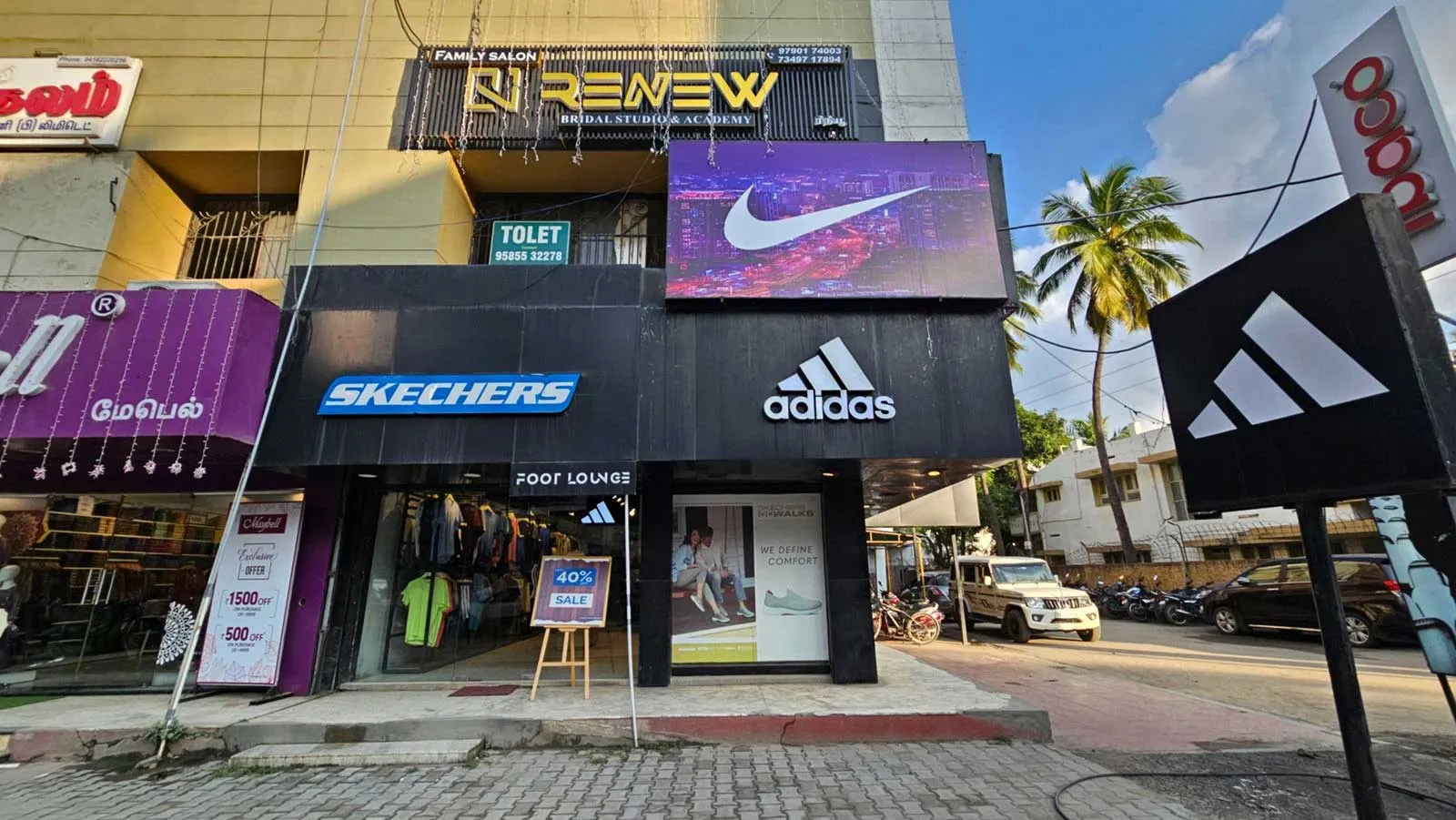
This is the kind of opportunity that Footlounge was built around. A franchise model designed to make entry affordable, give partners real support, and put quality footwear in front of customers who are genuinely ready to buy.
Breaking Down the Numbers Simply
Let's talk about what good ROI looks like in practical terms for a footwear franchise.
A healthy footwear store should aim to recover its initial investment within 12 to 24 months. Anything shorter is excellent. Anything beyond three years suggests something is off — either with the location, the brand, the support, or the cost structure.
Profit margins in branded footwear can range from 25% to 45% depending on the category and brand. Fashion and casual footwear often carry higher margins. Kids' shoes move fast because children grow quickly. Sports and athleisure are growing rapidly in 2026 due to the fitness boom.
Festive seasons — Dussehra, Diwali, Eid, New Year — are massive for footwear sales. Back-to-school periods are another reliable spike. A well-run franchise store uses these peaks wisely and builds steady baseline sales during quieter months.
When your costs are controlled, your location is right, and your brand has pull, the math works comfortably in your favour.
So, Is a Footwear Franchise Worth It in 2026?
Yes — but only if you choose thoughtfully.
The footwear industry has real, durable demand. The market is growing. The shift toward branded shoes in smaller cities is happening right now, not five years from now. Investors who move with clarity and pick the right partner are going to do very well.
The trap to avoid is chasing a big name just because it's familiar. What you actually want is a brand that treats its franchise partners like partners — not just customers who paid a fee. You want training, support, good margins, and a product lineup that gives customers a reason to come back.
That's the difference between a franchise that looks good in a brochure and one that actually builds your wealth.
Footlounge represents exactly that kind of opportunity — a brand that understands what franchise investors need, with a model built to deliver results, not just promises.
The Bottom Line
If you've been sitting on the idea of starting a business, 2026 is a good year to stop sitting and start doing. The footwear market isn't going anywhere. If anything, it's only going to get more competitive as more investors wake up to the opportunity.
The question isn't really should you invest in a footwear franchise. The question is, how fast can you move once you've found the right one?
Do your research. Ask the hard questions. Look at margins, not just brand names. Look at support, not just storefront aesthetics. And look for a franchisor that wants you to win — because when you win, they win too.
That's what smart franchising looks like. And in 2026, it's one of the clearest paths to building a business that genuinely works.




Sign in to leave a comment.