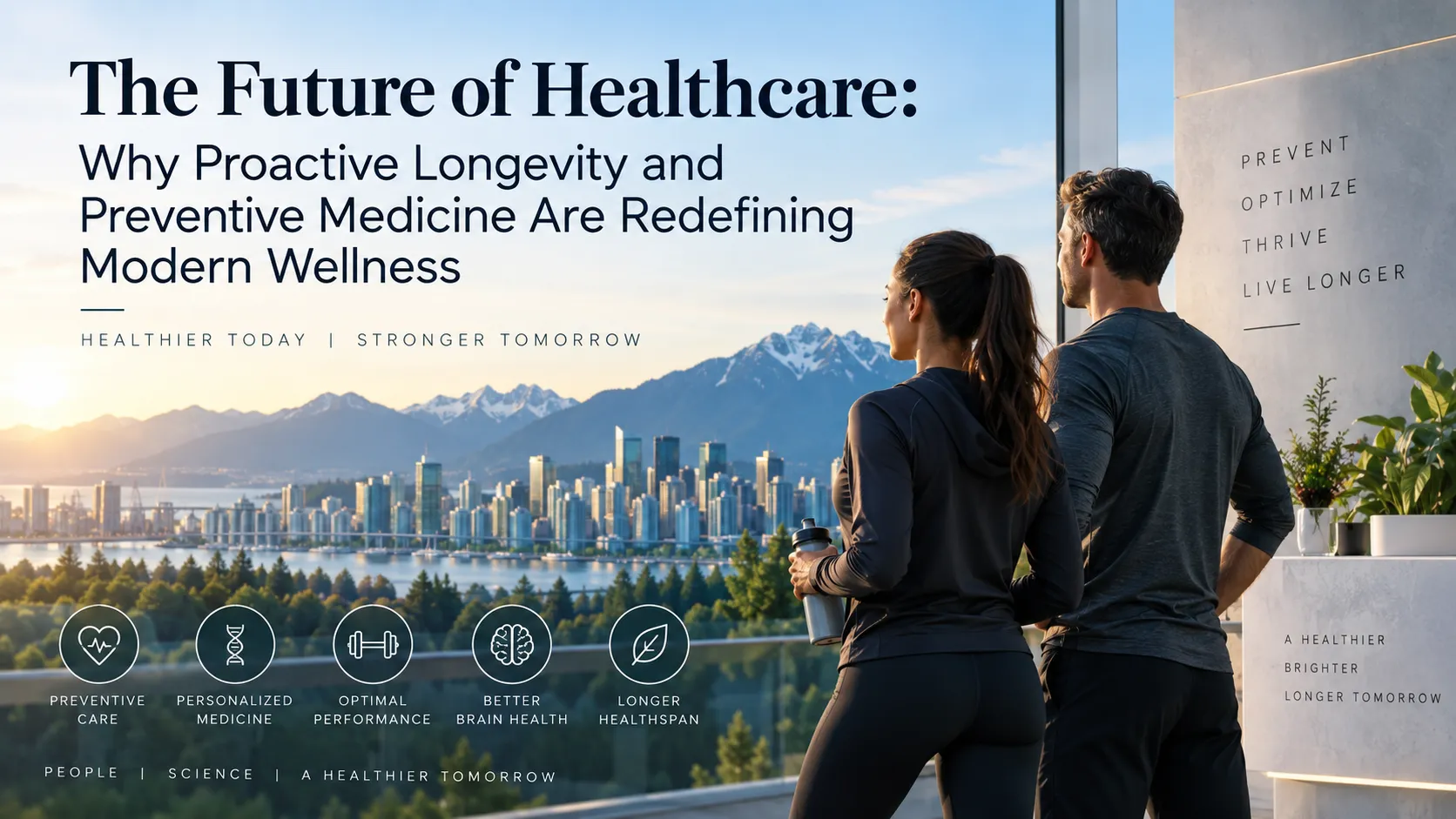

For decades, modern healthcare has operated primarily on a reactive model. People typically seek medical attention when a symptom becomes noticeable, a health concern begins interfering with daily life, or routine laboratory testing reveals a value outside the standard reference range. This model has been enormously successful in emergency medicine, surgery, infectious disease management, and the treatment of established medical conditions.
However, healthcare is increasingly moving beyond the simple question of “What disease do I have?” toward a more proactive question: “How can I preserve my health and function for as long as possible?”
This shift has given rise to a growing focus on healthspan—the years of life a person spends with good physical function, cognitive performance, metabolic health, independence, and overall quality of life.
Rather than waiting for preventable health problems to become clinically obvious, proactive healthcare focuses on identifying meaningful risk factors earlier, monitoring changes over time, and developing personalized strategies around nutrition, exercise, sleep, metabolic health, cardiovascular risk, body composition, and other aspects of long-term wellbeing.
This is where the modern longevity health clinic fits into the evolving healthcare landscape.
A contemporary longevity practice brings together preventive medicine, detailed health assessments, evidence-informed lifestyle strategies, longitudinal monitoring, and physician-led care. The objective is not simply to make people live longer, but to help them maintain physical and cognitive function for more of their lives.
1. From “Sick Care” to Healthspan Optimization
One of the most significant changes in modern healthcare is the gradual transition from a disease-centered approach toward a prevention- and healthspan-centered approach.
Traditional healthcare remains essential for diagnosing and treating illness. If someone develops an infection, experiences an injury, or requires treatment for a diagnosed chronic condition, conventional medical care is indispensable.
The challenge is that many chronic health conditions develop gradually.
Metabolic dysfunction, cardiovascular risk, declining muscle mass, reduced aerobic capacity, poor sleep, increasing visceral fat, and other changes may develop for years before a person experiences obvious symptoms.
This creates an important window for preventive intervention.
Conventional Healthcare
Traditional primary care generally focuses on:
- Diagnosing medical conditions
- Managing existing diseases
- Treating acute symptoms
- Conducting routine examinations
- Prescribing appropriate medications when clinically indicated
- Monitoring established risk factors
Preventive and Longevity-Focused Healthcare
A proactive longevity approach places greater emphasis on:
- Identifying risk factors early
- Monitoring health trends over time
- Understanding metabolic health
- Assessing cardiovascular risk
- Evaluating body composition
- Maintaining muscle and bone health
- Supporting healthy lifestyle behaviors
- Monitoring relevant hormonal changes
- Improving physical fitness and functional capacity
- Developing individualized long-term health strategies
The distinction is not that one approach replaces the other. Instead, preventive longevity care complements conventional medical care by focusing greater attention on long-term risk reduction and health optimization.
For example, a single blood test provides only a snapshot of someone's health. Repeated measurements, interpreted within the context of family history, lifestyle, body composition, blood pressure, physical fitness, nutrition, and other relevant factors, can provide a much more useful picture of how health is changing over time.
2. Why Healthspan Matters More Than Simply Lifespan
Living longer does not necessarily mean living better.
An individual may live into their 80s or 90s while spending a significant portion of later life dealing with physical limitations, metabolic disease, reduced mobility, cognitive decline, or loss of independence.
This is why the concept of healthspan has become increasingly important.
Healthspan refers broadly to the period of life during which an individual maintains good health, physical capability, cognitive function, and independence.
A longevity-focused strategy therefore considers multiple dimensions of health rather than concentrating on a single number.
These may include:
- Cardiovascular health
- Metabolic health
- Muscle mass and strength
- Bone health
- Aerobic fitness
- Sleep quality
- Cognitive performance
- Nutrition
- Stress management
- Body composition
- Hormonal health where clinically appropriate
- Functional independence
The goal is to identify areas that may be improved before they become major barriers to quality of life.
3. What Happens Inside an Advanced Longevity Health Clinic?
A comprehensive longevity program can differ considerably from a standard annual physical.
Instead of looking at one isolated measurement, a physician-led program may examine multiple interconnected areas of health and track them longitudinally.
The exact testing and treatment approach should always be individualized according to a person's medical history, age, symptoms, risk factors, medications, and clinical needs.
A. Comprehensive Biomarker Profiling
Routine bloodwork provides valuable information, but some individuals may benefit from additional testing when clinically appropriate.
Depending on the patient's circumstances, a physician may consider markers associated with:
- Lipid metabolism
- Cardiovascular risk
- Glucose regulation
- Insulin sensitivity
- Inflammation
- Liver function
- Kidney function
- Nutritional status
- Hormonal function
- Other relevant physiological systems
Examples may include ApoB, Lipoprotein(a), hs-CRP, fasting insulin, HbA1c, comprehensive lipid measurements, and selected hormone testing where medically appropriate.
The purpose is not to order every possible test.
Instead, the objective should be to identify the information that can meaningfully influence clinical decision-making.
Why Trends Matter
A single result may not tell the complete story.
For example, an individual's metabolic markers may remain within a conventional reference range while gradually moving in an unfavorable direction over several years.
Longitudinal monitoring allows clinicians to evaluate trends rather than isolated numbers.
That distinction can make preventive healthcare more informative and actionable.
4. Metabolic Health and Body Composition
Metabolic health is one of the foundations of long-term wellbeing.
Blood glucose regulation, insulin sensitivity, blood pressure, lipid metabolism, physical activity, nutrition, and body composition are interconnected components of metabolic health.
Importantly, body weight alone does not tell the entire story.
Two individuals can have the same body weight while having very different amounts of muscle, visceral fat, bone density, and overall body composition.
Understanding Body Composition
When clinically appropriate, technologies such as DEXA can provide detailed information about:
- Lean mass
- Fat mass
- Regional fat distribution
- Bone mineral density
This information can help clinicians and patients develop more individualized approaches to exercise and nutrition.
For example, someone attempting to lose weight may benefit from focusing not simply on reducing total body weight, but also on preserving lean muscle mass while improving body composition.
This becomes particularly relevant as people age because maintaining muscle strength and functional capacity becomes increasingly important for mobility and independence.
5. The Importance of Muscle, Strength, and Physical Function
Longevity is not simply about laboratory values.
Physical capability is one of the most meaningful components of healthy aging.
Muscle mass, muscular strength, balance, mobility, and aerobic capacity all contribute to an individual's ability to remain independent.
A comprehensive preventive health strategy may therefore include measurements such as:
- Grip strength
- Functional movement
- Strength benchmarks
- Aerobic capacity
- Walking or movement performance
- Exercise tolerance
- VO₂ max where appropriate
These measurements can provide objective information about physical performance and help establish measurable goals.
Why VO₂ Max Matters
VO₂ max is a measure of the body's ability to use oxygen during intense exercise.
Cardiorespiratory fitness is strongly associated with long-term health outcomes, although individual measurements should always be interpreted within the broader clinical context.
For longevity-focused care, improving aerobic capacity can be part of a broader strategy involving:
- Cardiovascular exercise
- Resistance training
- Recovery
- Nutrition
- Sleep
- Weight management where appropriate
The goal is not necessarily to become an elite athlete.
The goal is to maintain sufficient physical capacity to support everyday life and independence as a person ages.
6. Hormonal Health and Midlife Changes
Hormonal changes are another area that can become increasingly relevant during midlife.
Both men and women experience physiological changes in hormone levels as they age. Depending on the individual, these changes may be associated with symptoms such as:
- Changes in energy
- Sleep disturbances
- Changes in body composition
- Changes in sexual health
- Mood changes
- Reduced exercise recovery
- Changes in muscle mass
However, these symptoms can have many potential causes.
That is why responsible hormonal care should begin with a comprehensive medical evaluation rather than assuming that every symptom is caused by a hormonal deficiency.
Where clinically appropriate, physicians may evaluate relevant hormones alongside other health factors and determine whether treatment is appropriate.
Physician-supervised hormonal care should always be individualized, with consideration given to potential benefits, risks, contraindications, and appropriate monitoring.
7. Sleep, Stress, and Recovery as Longevity Fundamentals
No longevity strategy is complete without discussing sleep and recovery.
Modern professionals frequently operate under sustained levels of work pressure, digital stimulation, travel, and competing responsibilities.
Over time, inadequate sleep and insufficient recovery can affect:
- Energy
- Concentration
- Exercise performance
- Appetite regulation
- Metabolic health
- Mood
- Productivity
- Overall quality of life
A proactive health program may therefore examine sleep habits, daily routines, stress levels, physical activity, and recovery patterns alongside conventional medical assessments.
For many individuals, improvements in basic lifestyle behaviors can have a meaningful impact without requiring complicated interventions.
This is one reason longevity medicine should not be reduced to supplements, advanced testing, or technology.
The fundamentals still matter.
8. Nutrition as a Long-Term Health Strategy
Nutrition is another central component of preventive healthcare.
Rather than following a generic diet, a personalized nutrition strategy considers factors such as:
- Current body composition
- Activity levels
- Metabolic health
- Dietary preferences
- Lifestyle
- Medical history
- Nutritional requirements
- Individual health goals
The objective is to create an eating pattern that can realistically be maintained over the long term.
A sustainable nutrition strategy may focus on adequate protein, dietary fiber, nutrient-dense foods, appropriate energy intake, healthy fats, minimally processed foods, and sufficient hydration.
Importantly, nutrition recommendations should be individualized rather than based on a single universal diet.
9. Why Vancouver Is Becoming an Important Market for Preventive Wellness
Vancouver has a strong culture of outdoor activity, fitness, wellness, and health-conscious living.
The city's access to hiking, cycling, skiing, water-based activities, and other forms of recreation creates an environment where physical wellbeing is already an important part of many people's lifestyles.
However, even individuals who exercise regularly and maintain a balanced diet can benefit from objective health assessments.
Lifestyle habits are important, but they do not completely eliminate factors such as:
- Family history
- Age-related changes
- Cardiovascular risk
- Metabolic changes
- Changes in body composition
- Hormonal changes
- Sleep disturbances
- Occupational stress
For professionals seeking a more coordinated approach, a private longevity clinic in Vancouver can provide an environment where health information is collected, interpreted, and monitored over time.
For individuals with demanding careers, an executive health Vancouver program may also provide a structured approach to preventive assessments and ongoing health management.
The value of this model is not simply the number of tests performed. It is the ability to connect clinical information with practical, individualized health strategies.
10. Executive Health: Why Busy Professionals Are Prioritizing Prevention
Executives and business professionals often face unique health challenges.
Long working hours, frequent travel, irregular schedules, high levels of responsibility, limited recovery time, and prolonged periods of sitting can make consistent health management difficult.
At the same time, professionals may not have the time to coordinate multiple appointments, diagnostic services, fitness assessments, and lifestyle interventions independently.
An executive-focused preventive health program can potentially simplify this process by bringing multiple aspects of health assessment together.
A comprehensive executive health assessment may include, depending on individual circumstances:
- Medical history review
- Comprehensive laboratory testing
- Cardiovascular risk assessment
- Metabolic health evaluation
- Body composition assessment
- Fitness evaluation
- Lifestyle assessment
- Sleep and recovery review
- Personalized health planning
- Follow-up monitoring
The emphasis is on creating a long-term health strategy rather than a one-time health check.
11. Preventive Healthcare Is About Personalization
One of the biggest limitations of generic wellness advice is that it treats everyone as if they have the same physiology, lifestyle, risks, and objectives.
They do not.
A 35-year-old endurance athlete and a 55-year-old executive with a sedentary lifestyle may require very different approaches.
Similarly, two people with identical body weights may have completely different metabolic and cardiovascular profiles.
Personalized preventive medicine attempts to account for these differences.
A physician may consider:
- Age
- Sex
- Family history
- Medical history
- Current medications
- Lifestyle
- Exercise habits
- Nutrition
- Sleep
- Body composition
- Laboratory trends
- Personal goals
The result can be a more targeted health plan rather than a generic checklist.
12. The Importance of Longitudinal Health Tracking
One of the most valuable aspects of a proactive healthcare model is continuity.
Health changes over time.
A person's cholesterol profile at 40 may look different at 45. Muscle mass can change. Blood pressure can change. Fitness can improve or decline. Body composition can shift even when body weight remains relatively stable.
Longitudinal monitoring creates an opportunity to identify these changes.
Instead of asking:
“Is this result normal today?”
the broader question becomes:
“How is this person's health changing over time?”
This approach can make preventive healthcare more meaningful because it allows interventions to be adjusted based on objective progress.
13. What to Look for When Choosing a Longevity Clinic
The growing popularity of longevity medicine means consumers have more options than ever.
However, not every wellness service operates according to the same clinical standards.
When choosing a longevity or preventive health clinic, consider the following factors.
1. Physician-Led Care
Look for programs where medical assessments and treatments are overseen by appropriately qualified healthcare professionals.
Diagnostic testing should have a clear clinical purpose rather than being performed simply because a test is marketed as “advanced.”
2. Evidence-Informed Approach
Ask how the clinic determines which assessments and interventions are appropriate.
A credible medical program should be able to explain the rationale behind its recommendations.
3. Personalized Planning
Your health strategy should reflect your individual history, risk factors, lifestyle, and objectives.
Avoid approaches that promise identical outcomes for everyone.
4. Ongoing Monitoring
A health assessment becomes more useful when it is followed by appropriate monitoring.
Look for a program that provides a clear process for:
- Reviewing results
- Setting goals
- Tracking progress
- Reassessing health markers
- Adjusting recommendations
5. Integration
Ideally, relevant aspects of preventive healthcare should be coordinated rather than handled as completely disconnected services.
Integration can help create a more comprehensive picture of an individual's health.
14. The Future of Preventive Medicine
The future of healthcare is likely to involve increasingly sophisticated methods of risk assessment and health monitoring.
Advances in diagnostics, wearable technology, digital health platforms, imaging, laboratory medicine, and data analysis are creating more opportunities to monitor health continuously.
Wearable devices can provide information about activity, heart rate, sleep patterns, and other physiological measurements.
At the same time, advanced laboratory testing can provide deeper insight into specific aspects of cardiovascular, metabolic, and hormonal health when clinically appropriate.
However, technology alone does not constitute good healthcare.
The most useful model combines technology with:
Data + Clinical Expertise + Personalization + Continuity
This combination allows information to be translated into practical decisions.
15. Longevity Medicine Is Not About Chasing Every New Trend
The longevity industry is surrounded by rapidly evolving research, supplements, technologies, and wellness products.
This creates both opportunities and challenges.
A proactive health strategy should not mean adopting every new longevity trend.
Instead, interventions should be evaluated according to:
- Quality of evidence
- Potential benefits
- Potential risks
- Individual circumstances
- Clinical appropriateness
- Cost
- Long-term sustainability
The foundation remains relatively straightforward: regular physical activity, resistance training, appropriate nutrition, adequate sleep, healthy body composition, cardiovascular risk management, avoidance of tobacco, responsible alcohol use, preventive screenings, and appropriate medical care.
Advanced interventions should complement—not replace—the fundamentals.
16. The Goal: More Healthy Years, Not Simply More Years
The ultimate purpose of longevity medicine is not to turn aging into a disease.
Aging is a natural biological process.
The objective of proactive healthcare is to identify modifiable risks, preserve physical and cognitive function, and help individuals maintain a high quality of life for as long as possible.
For some people, that may mean improving metabolic health.
For others, it may mean maintaining muscle and bone strength, improving cardiovascular fitness, addressing sleep problems, managing cardiovascular risk factors, or creating a sustainable nutrition strategy.
The appropriate strategy is different for every individual.
What remains consistent is the value of taking action before preventable problems become more difficult to address.
Frequently Asked Questions About Longevity and Preventive Healthcare
Q1. What is a longevity health clinic?
A longevity health clinic is a medical practice focused on preventive healthcare, health-risk assessment, and maintaining health and functional capacity over the long term.
Depending on the clinic and individual needs, services may include advanced laboratory testing, metabolic assessments, body composition analysis, fitness evaluation, lifestyle planning, and ongoing physician-led monitoring.
Q2. How is a preventive health clinic different from traditional primary care?
Traditional primary care provides essential services including diagnosis, treatment, preventive screenings, vaccination, management of chronic conditions, and general medical care.
A private preventive health program may place additional emphasis on detailed health assessments, personalized risk evaluation, longitudinal monitoring, lifestyle optimization, and extended consultations.
The two approaches can work alongside each other rather than being mutually exclusive.
Q3. When should someone start thinking about longevity?
There is no single age at which everyone should begin a longevity program.
Preventive health is relevant throughout adulthood.
However, many people become particularly interested in more comprehensive health optimization during their 30s, 40s, and 50s as lifestyle demands, family responsibilities, and age-related physiological changes become increasingly important.
The appropriate assessments depend on individual risk factors and medical circumstances.
Q4. What does an executive health assessment typically include?
The exact components vary between clinics and patients.
An executive health assessment may include medical history, physical examination, laboratory testing, cardiovascular risk assessment, metabolic evaluation, body composition analysis, fitness assessment, lifestyle review, and personalized recommendations.
Additional testing may be recommended when clinically appropriate.
Q5. Does a longevity program replace my family doctor?
No.
A longevity or preventive health program should not be viewed as a replacement for essential primary care, emergency care, specialist treatment, or medically necessary disease management.
Instead, preventive programs can complement conventional healthcare by providing additional attention to risk assessment, lifestyle, health optimization, and longitudinal monitoring.
Q6. Is longevity medicine only for older adults?
No.
Healthy aging is a lifelong process.
Younger adults can also benefit from establishing healthy lifestyle habits, understanding personal risk factors, maintaining physical fitness, and monitoring relevant health indicators.
The type and extent of assessment should be appropriate for the individual's age and clinical circumstances.
Q7. Is advanced testing necessary for everyone?
Not necessarily.
More testing is not automatically better healthcare.
The usefulness of any test depends on whether its results are likely to provide meaningful information that can influence clinical decision-making.
A physician should determine which assessments are appropriate based on the individual's circumstances.
Q8. Are longevity services covered by MSP in British Columbia?
Many private preventive wellness and longevity services operate outside the services covered by provincial healthcare plans such as MSP.
Coverage depends on the specific service and the individual's insurance or benefits plan. Some services may potentially qualify for reimbursement through private insurance or Health Spending Accounts, depending on the plan.
Patients should confirm eligibility directly with their provider and insurance administrator before proceeding.
Conclusion: The Future of Healthcare Is Becoming More Proactive
Healthcare is evolving from a system primarily focused on treating disease toward a broader model that also emphasizes prevention, early risk identification, healthspan, and long-term function.
The emergence of the modern longevity health clinic reflects this change.
Rather than waiting for health problems to become obvious, proactive healthcare encourages individuals to understand their health earlier, establish meaningful baselines, monitor changes, and make evidence-informed adjustments where appropriate.
For busy professionals, executives, and individuals who want to take a more active role in their long-term health, this approach can provide a structured framework for understanding and managing the factors that influence healthy aging.
The future of wellness is therefore unlikely to be defined by a single test, supplement, technology, or treatment.
It will increasingly be defined by continuous monitoring, personalized medicine, preventive strategies, healthy lifestyle behaviors, and informed clinical decision-making.
Ultimately, longevity is not simply about adding years to life.
It is about creating the conditions that allow more of those years to be lived with strength, independence, vitality, and quality of life.























Sign in to leave a comment.