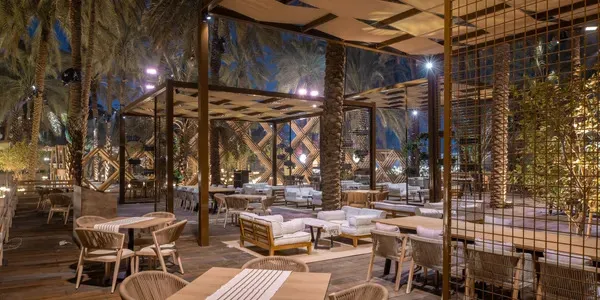

Modern architecture is constantly evolving to meet the growing demands for sustainability, aesthetics, and functionality. As architects and developers seek innovative ways to create visually striking yet practical spaces, Tensile Fabric Structures have emerged as one of the most preferred construction solutions across commercial, industrial, and public projects.
From airports and stadiums to shopping malls, educational institutions, and outdoor recreational spaces, these lightweight structures are transforming the architectural landscape. Their ability to combine engineering excellence with creative design makes them an ideal choice for projects that require both performance and visual appeal.
At CForce, we understand how modern construction demands smarter, more efficient building solutions. Our expertise in designing, engineering, manufacturing, and installing high-performance Tensile Fabric Structures enables us to deliver customized solutions that meet the highest standards of quality, durability, and innovation.
What Are Tensile Fabric Structures?
Tensile Fabric Structures are architectural systems that use high-strength fabric membranes stretched over a framework of steel cables or structural steel. Instead of relying on heavy roofing materials, these structures utilize tension to achieve stability and strength.
Advanced membrane materials such as PVC-coated polyester, PTFE-coated fiberglass, ETFE, HDPE, and PVDF offer exceptional durability while maintaining a lightweight profile. These materials are engineered to withstand harsh environmental conditions, making them suitable for both temporary and permanent applications.
The result is a modern structure that offers protection from weather while creating open, spacious environments with minimal structural support.
Why Tensile Fabric Structures Are Gaining Popularity
1. Modern Architectural Appeal
One of the biggest reasons behind the growing adoption of Tensile Fabric Structures is their exceptional visual impact.
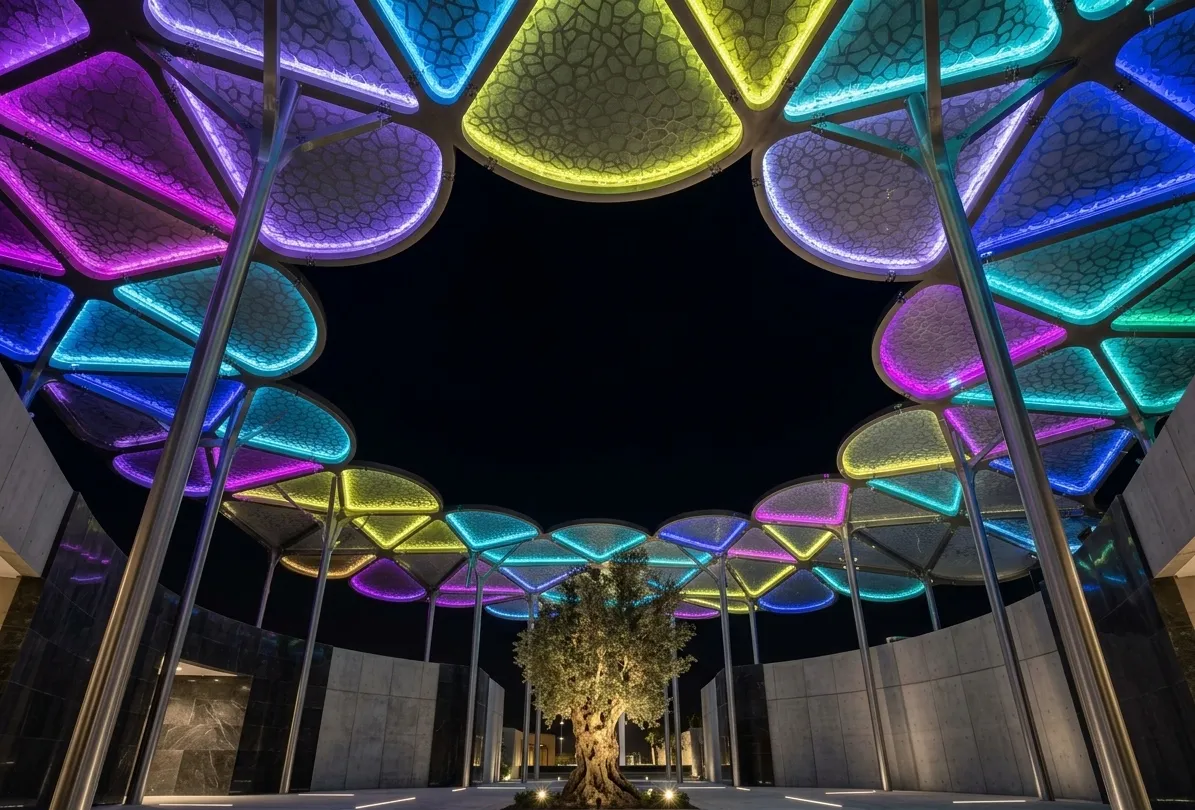
Unlike conventional roofs that often appear bulky and rigid, tensile structures feature elegant curves, sweeping canopies, and fluid geometric forms that instantly enhance the appearance of any property.
Architects appreciate the design freedom these structures provide, allowing them to create iconic landmarks that are both functional and aesthetically impressive.
2. Lightweight Yet Extremely Strong
Despite their lightweight construction, Tensile Fabric Structures offer remarkable strength.
The combination of high-quality membrane fabrics, precision-engineered steel supports, and advanced tensioning systems enables these structures to withstand:
- High wind loads
- Heavy rainfall
- Intense sunlight
- Temperature fluctuations
- Corrosion and environmental wear
This impressive strength-to-weight ratio makes them an efficient alternative to traditional roofing systems.
3. Faster Installation
Time is a critical factor in any construction project.
Since many components of Tensile Fabric Structures are prefabricated, installation can be completed significantly faster than conventional concrete or steel roof systems.
Reduced construction time helps minimize labor costs, project disruptions, and overall project timelines, making tensile architecture an attractive solution for developers.
Sustainable Construction for the Future
Sustainability has become a central focus in modern architecture, and Tensile Fabric Structures contribute significantly toward environmentally responsible construction.
Their lightweight design requires fewer raw materials compared to conventional roofing systems. Additionally, many membrane materials are recyclable and engineered for long service life.
Other sustainability benefits include:
- Reduced structural steel requirements
- Lower transportation costs
- Improved natural daylight penetration
- Reduced energy consumption
- Better thermal performance
- Lower maintenance requirements
By allowing natural light to enter buildings, these structures reduce dependence on artificial lighting during daytime hours, improving overall energy efficiency.
Versatility Across Multiple Industries
The adaptability of Tensile Fabric Structures makes them suitable for an extensive range of applications.
Some of the most common uses include:
Commercial Buildings
Retail centers, business parks, hotels, and restaurants increasingly use tensile canopies to create welcoming entrances and attractive outdoor spaces.
Car Parking Shades
Large parking facilities benefit from durable weather protection while maintaining an elegant appearance.
Walkways and Pedestrian Areas
Covered walkways provide comfortable movement between buildings while protecting pedestrians from sun and rain.
Stadiums and Sports Facilities
Sports venues utilize tensile membranes to create large column-free roofing systems that maximize spectator visibility.
Educational Institutions
Schools and universities install tensile structures over playgrounds, gathering spaces, cafeterias, and walkways.
Airports and Transportation Hubs
Modern terminals often feature expansive membrane roofs that deliver architectural beauty while covering large open spaces efficiently.
Public Parks and Recreation Areas
Outdoor seating zones, amphitheaters, playgrounds, and event venues frequently incorporate tensile structures to improve visitor comfort.
Cost-Effective Without Compromising Quality
Although visually sophisticated, Tensile Fabric Structures can often be more economical than traditional roofing systems.
Their advantages include:
- Lower material usage
- Reduced foundation requirements
- Faster project completion
- Lower transportation expenses
- Minimal maintenance costs
- Long operational lifespan
When lifecycle costs are considered, tensile structures provide excellent long-term value for both private and public sector developments.
Weather Resistance and Durability
Modern membrane materials are specifically engineered to perform in demanding climates.
High-quality Tensile Fabric Structures offer excellent resistance against:
- UV radiation
- Heavy rainfall
- High temperatures
- Wind pressure
- Moisture
- Corrosion
- Mold growth
These characteristics ensure reliable performance with minimal maintenance over many years.
Design Flexibility That Inspires Creativity
Traditional construction methods often limit architectural creativity.
In contrast, Tensile Fabric Structures allow architects to experiment with bold forms and unique geometries that would be difficult or expensive to achieve using conventional materials.
Every project can be customized according to:
- Site conditions
- Functional requirements
- Environmental considerations
- Architectural vision
- Branding requirements
This flexibility enables designers to create memorable structures that become visual landmarks.
The Role of Advanced Engineering
Behind every successful tensile structure lies precise engineering.
Modern design processes involve detailed structural analysis, digital modeling, wind-load calculations, and material optimization to ensure safety, stability, and long-term performance.
At CForce, every project follows a comprehensive engineering process that integrates innovative design with technical expertise. By utilizing advanced engineering practices and high-performance materials such as ETFE, PTFE, PVDF, PVC, HDPE, and mesh membranes, CForce delivers solutions that meet demanding architectural and structural requirements while maintaining exceptional quality and reliability.
Why Businesses Are Choosing Tensile Fabric Structures
Businesses today are looking for construction solutions that support both operational efficiency and brand image.
Tensile Fabric Structures help organizations achieve this by offering:
- Attractive architectural identity
- Enhanced customer experience
- Comfortable outdoor environments
- Long-lasting performance
- Reduced maintenance expenses
- Sustainable building practices
Whether developing a commercial complex, industrial facility, hospitality project, or public infrastructure, tensile architecture offers an excellent balance of functionality and aesthetics.
The Future of Modern Architecture
As cities continue to expand and sustainability becomes increasingly important, the demand for innovative construction solutions will only continue to grow.
Architects worldwide are embracing lightweight structures that minimize environmental impact while maximizing design possibilities.
Technological advancements in membrane materials, digital engineering, and structural analysis continue to push the boundaries of what Tensile Fabric Structures can achieve.
Their combination of beauty, flexibility, efficiency, and durability positions them as one of the most influential architectural solutions for the future.
Conclusion
The growing popularity of Tensile Fabric Structures reflects a broader shift toward smarter, more sustainable, and visually compelling architecture. These structures provide exceptional versatility, impressive durability, rapid installation, and remarkable design freedom, making them suitable for projects of every scale.
As construction continues to evolve, innovative companies like CForce remain committed to delivering engineered tensile solutions that combine cutting-edge technology with architectural excellence. By offering customized designs, advanced materials, and comprehensive project execution, CForce helps clients transform ambitious architectural concepts into durable, high-performance structures that stand the test of time.



















Sign in to leave a comment.