The Hidden Cost of an Inconsistent Office Cleaning Schedule

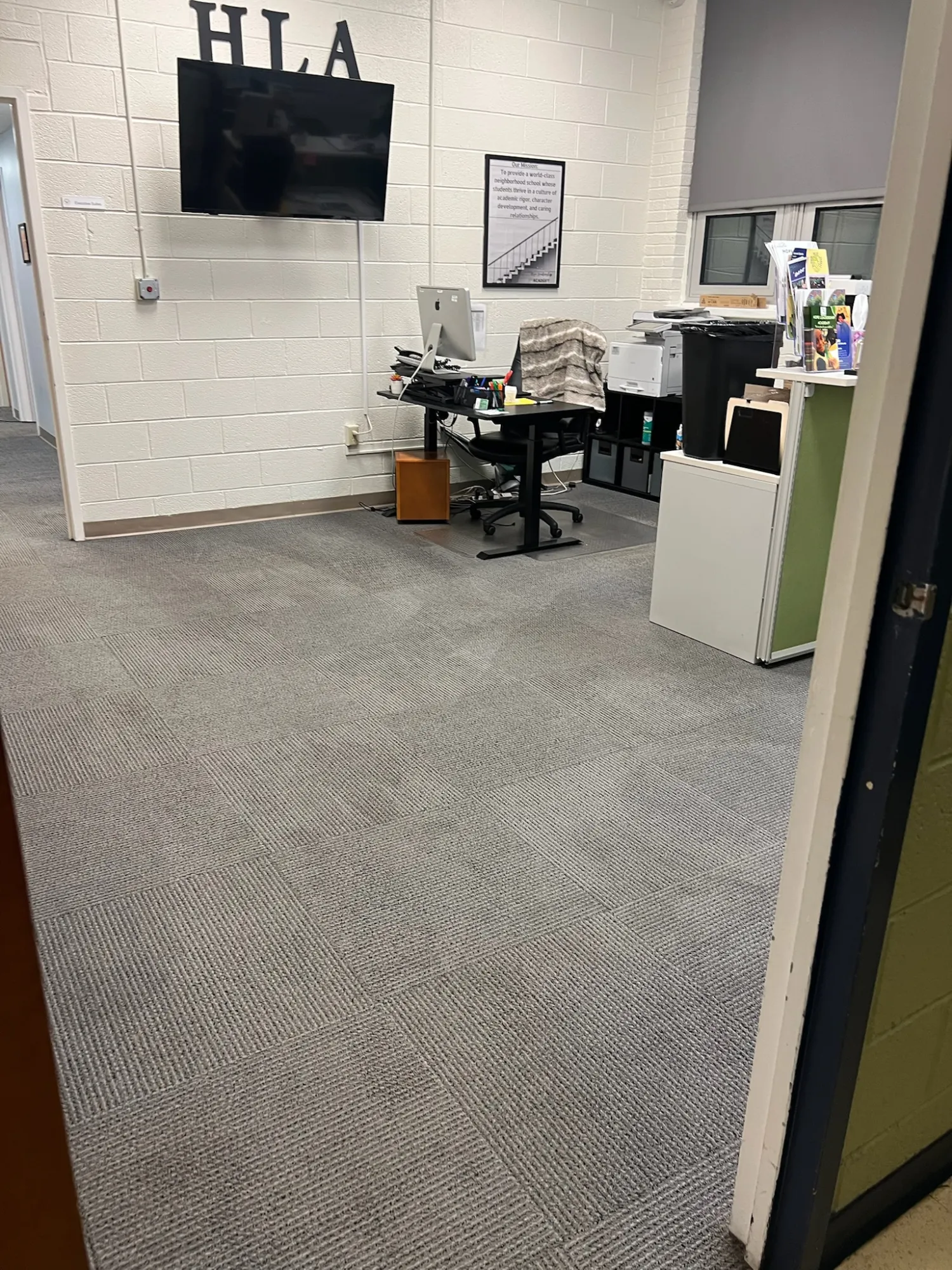
An office cleaning schedule should do more than place tasks on a calendar. It should reflect how employees, customers, visitors, and vendors actually use the building. Office carpet cleaners can support carpet maintenance, but businesses also need cleaning frequencies based on traffic, room usage, floor types, operating hours, and changing conditions. When a schedule is poorly calibrated, some spaces receive unnecessary attention while busy areas fall behind.
Cleaning Frequency Should Match Building Use
Every office has areas that experience different levels of activity. Reception desks, entrances, corridors, elevators, kitchens, conference rooms, and shared workspaces may see heavy traffic. Private offices, storage rooms, and lightly used meeting spaces may experience much less activity.
Giving every area the same cleaning frequency can create an imbalance. High-use spaces may collect dirt faster than the schedule can address it, while low-use areas may receive service before they actually need it.
Managers can divide spaces into high-, medium-, and low-traffic categories, then assign appropriate frequencies.
Uneven Carpet Wear Can Become Visible
Carpet is especially affected by differences in foot traffic. Soil, grit, and debris can enter through exterior doors and move along common walking routes. Repeated foot traffic can push abrasive particles deeper into carpet fibers, contributing to flattened areas and visible pathways.
Traffic-based carpet care allows businesses to focus service where soil accumulation is greatest. It can also help preserve the appearance of carpet across the facility.

Presentation Matters to Employees and Visitors
A workplace communicates something about the organization through its appearance. Dusty surfaces, overflowing trash bins, stained carpets, dirty restrooms, and neglected floors can make a facility appear poorly managed.
Inconsistent cleaning can be particularly noticeable when some areas look excellent while others appear overlooked. Employees may question why their workspace receives less attention, while customers may form an unfavorable impression during visits.
Regular inspections can help identify these differences before they become recurring complaints.
Employee Complaints Can Signal a Scheduling Problem
Repeated cleaning complaints should not always be treated as isolated issues. If employees frequently report dirty break rooms, full waste containers, dusty surfaces, or restroom concerns, the underlying problem may be an unsuitable cleaning frequency.
A schedule that looks adequate on paper may not match actual building activity. Employee numbers may increase, departments may relocate, operating hours may change, or certain spaces may become more popular.
Managers should review complaint patterns rather than simply addressing each issue separately. If the same concern appears repeatedly, increasing service frequency or changing task timing may provide a better long-term solution.

Floors Need Consistent Maintenance
Carpet is not the only surface affected by an inconsistent schedule. Hard floors can also deteriorate when dirt, moisture, spills, and residue remain untreated.
High-traffic floors may develop scuff marks, dull areas, staining, or other visible changes when routine cleaning is delayed. Some flooring materials also require periodic scrubbing, polishing, or other care to maintain their condition.
A floor-care plan should account for material type, traffic, soil levels, and building use. Commercial floor cleaning can be incorporated into a broader program that separates everyday cleaning from periodic floor maintenance.
Delayed Care Can Increase Future Costs
One hidden cost of inconsistent cleaning is the possibility of more extensive work later. When routine tasks are delayed, accumulated soil and surface wear may become harder to address through basic cleaning.
A business may eventually need additional labor, specialized equipment, stronger cleaning procedures, or restoration services. These requirements can disrupt normal operations and increase maintenance expenses.
Preventive care does not eliminate every flooring problem, but it can help reduce avoidable deterioration. Addressing small issues while they are manageable is generally more practical than waiting until an entire area requires significant attention.
Cleaning Resources Should Follow Need
An office cleaning budget should be used where it can provide the greatest benefit. If every room receives identical service regardless of traffic, resources may be spent inefficiently.
A private office used occasionally may not need the same daily attention as a busy reception area. Meanwhile, a shared kitchen may need frequent cleaning because employees use it throughout the day.
Using different frequencies allows managers to prioritize high-demand areas while maintaining reasonable standards elsewhere. Low-traffic spaces should not be ignored; their schedules can simply be based on actual conditions.
Quality Control Keeps Standards Consistent
A schedule is only effective when completed work meets expectations. Quality-control procedures can include inspections, task checklists, supervisor reviews, supply checks, and documented service issues.
Consistent inspections make it easier to compare conditions over time. Managers can determine whether complaints are declining, whether high-traffic areas remain clean between services, and whether certain tasks need to be performed more frequently.
Build a Practical Office Cleaning Strategy
Businesses can improve consistency by separating high-traffic areas from low-use spaces, scheduling floor care according to surface needs, conducting regular inspections, and reviewing the program when building conditions change.
For dependable support, Crystal Clear Enterprise offers commercial cleaning services, commercial floor cleaning, and janitorial services in Kansas City. Contact their team to create a practical cleaning schedule that supports a professional workplace, protects flooring, responds to actual traffic, and makes better use of cleaning resources.
About the Author
Michael Carter writes about workplace maintenance, facility operations, and practical cleaning strategies for business owners and property managers. His work focuses on straightforward ideas that help organizations maintain cleaner, more functional professional environments. He regularly examines how maintenance decisions can influence operating costs, workplace presentation, and employee experiences.





Sign in to leave a comment.