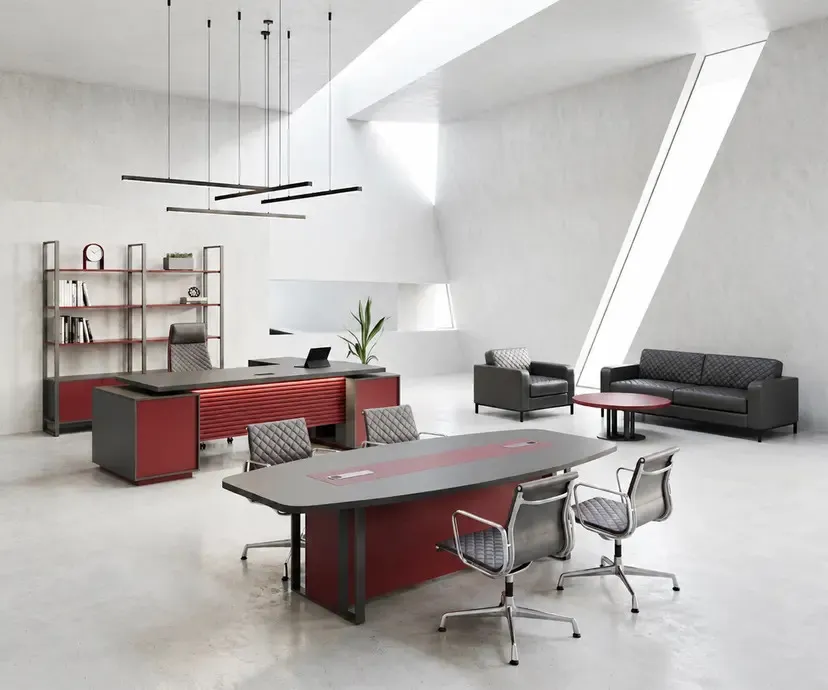

We get this question a lot at Ergospace: why does quality office furniture cost more than the cheapest option available? It's a fair question, and the honest answer is that cheap furniture rarely stays cheap once you factor in how quickly it needs replacing.
We've seen the pattern repeat itself with more than a few clients. A business orders budget desks and chairs to save on an initial fit-out, and within a year, the laminate is peeling at the edges, chair mechanisms have lost their tension, and drawer slides that once moved smoothly are sticking or jammed. What looked like a cost-saving decision on day one turns into a second furniture order twelve months later, and that second order, plus the disruption of replacing furniture in a working office, usually costs more than choosing well-built pieces from the start would have.
What actually drives the difference in quality
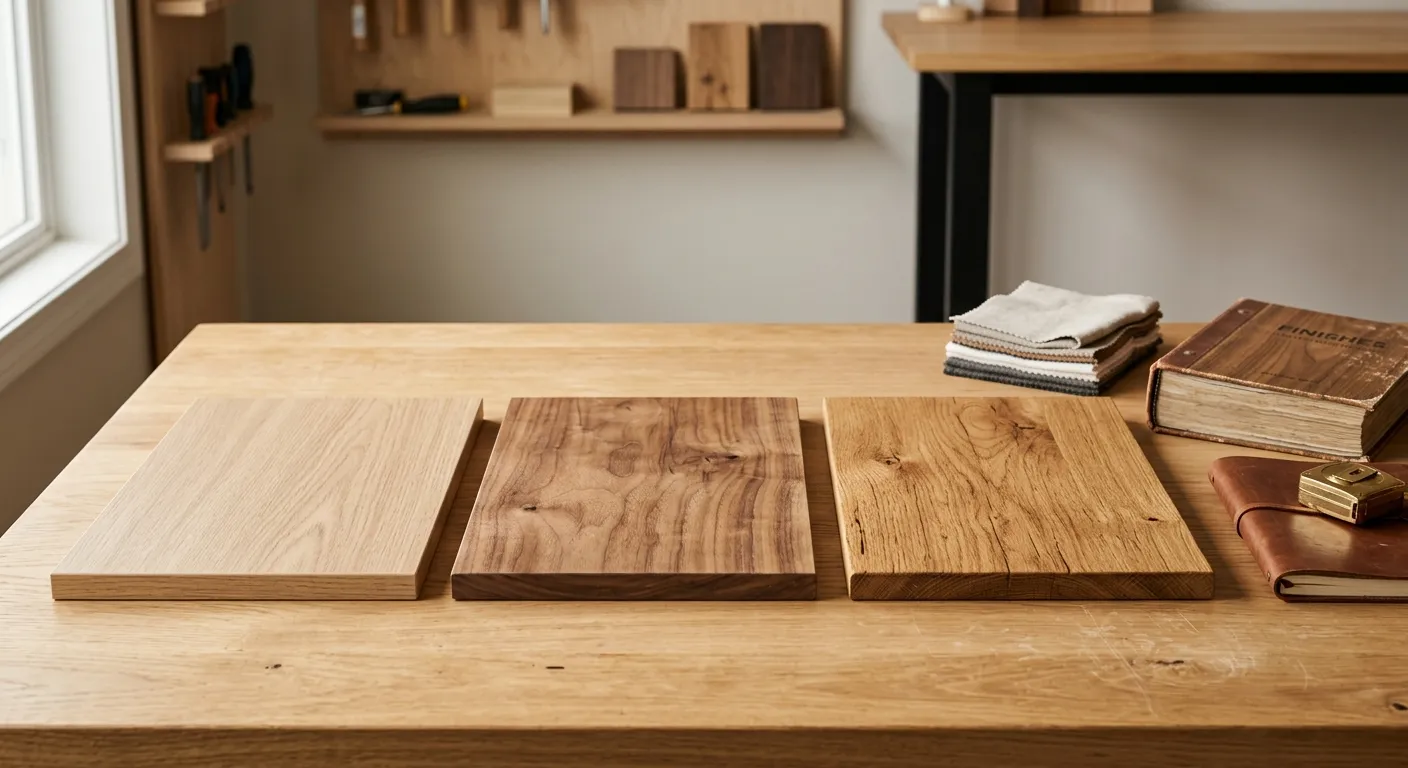
A lot of it comes down to materials and construction that don't show up in a product photo. Laminate thickness and edge banding quality determine whether a desk surface holds up to daily coffee cups and laptop use, or starts chipping within months. Chair mechanisms, particularly the gas lift and tilt tension components, are where cheap chairs fail first, and it's usually the part that matters most for daily comfort. Frame construction, whether a desk or cabinet is built to flex slightly under load or simply wobble and eventually crack, comes down to the quality of the underlying materials, not just the finish on top.
Why we build the way we do
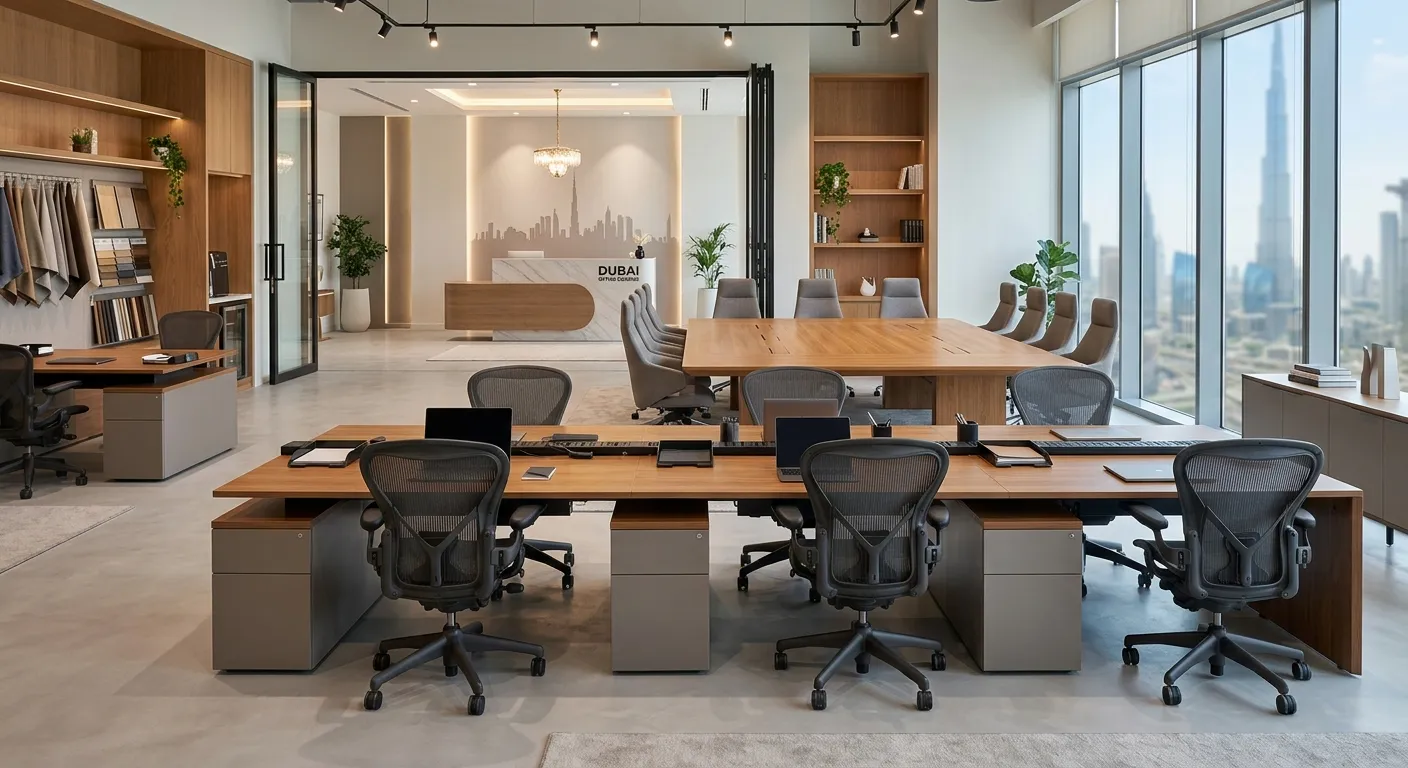
As a Dubai-based office furniture manufacturer, we control materials and production ourselves rather than assembling from whatever's cheapest at the moment, which means we can be consistent about the quality standards we build to. Whether it's a standard workstation or a custom executive desk, we're building for years of daily office use, not just the first six months in a showroom.
How to spot the difference before you buy
A few things worth checking regardless of where you're buying furniture from: ask about warranty length (a short or nonexistent warranty is often a signal about expected lifespan), check the weight and feel of a chair or desk in person rather than judging from photos, and ask specifically what materials are used rather than accepting vague terms like "premium quality" without detail.
The real comparison to make
The right way to compare furniture options isn't just price per piece, it's price divided by expected years of use. A desk that costs 30% more but lasts three times as long is the cheaper option in the long run, even though it doesn't look that way on the initial invoice.



















Sign in to leave a comment.