

Keeping live bait healthy during a long fishing trip involves more than simply providing fresh water. Several less obvious factors can influence how bait behaves inside a livewell, including oxygen levels, water movement, temperature, waste accumulation, stocking density, and equipment performance. When these conditions are properly managed, bait can remain more active and experience less unnecessary stress throughout the day. Understanding these hidden factors gives anglers a better foundation for managing their livewell and preparing for longer days on the water.
1. Oxygen Availability
Oxygen is one of the most important elements in a livewell. Bait continuously consumes dissolved oxygen, and the demand increases when several fish are kept together.
Effective aeration and water circulation can help distribute oxygen throughout the tank. A system that keeps water moving while introducing additional air can support more consistent conditions.
2. Water Movement Matters
Still water can create uneven conditions inside a livewell. Some areas may receive less oxygen or experience greater concentrations of waste.
Consistent circulation helps move water around the tank and can distribute oxygen more evenly. It also supports the filtration process by continuously moving water through the system.
Good circulation should:
- Keep water moving throughout the tank
- Support oxygen distribution
- Help move debris toward filtration
- Reduce stagnant areas
- Maintain more consistent conditions
3. Temperature Can Change Everything
Water temperature is another factor anglers should monitor, especially during warm-weather fishing. Warmer water can increase stress on bait and influence the amount of dissolved oxygen available.
Keeping the livewell away from unnecessary heat exposure and monitoring conditions during the day can help maintain a more suitable environment.
4. Waste Builds Up Gradually
Even when water appears clean, bait can continuously introduce waste and small particles into the tank. Over several hours, this material can accumulate and affect water quality.
Filtration helps address this problem by capturing unwanted debris as water circulates. However, filters must also be inspected and cleaned regularly to prevent excessive buildup from restricting water flow.
5. Stocking Density Is Often Overlooked
Putting too much bait into a livewell can make water management more difficult. More bait means greater oxygen consumption and increased waste production.
Instead of filling the tank to its maximum capacity, anglers should consider the size of the livewell, the type of bait, the duration of the trip, and the capabilities of their equipment.
6. Equipment Performance Makes a Difference
A livewell system is only effective when its components are functioning properly. Before every trip, anglers should inspect:
- Pumps
- Filters
- Hoses
- Connections
- Aeration components
- Water outlets
A small blockage or loose connection can reduce circulation and affect the overall environment.
A More Complete Approach to Livewell Care
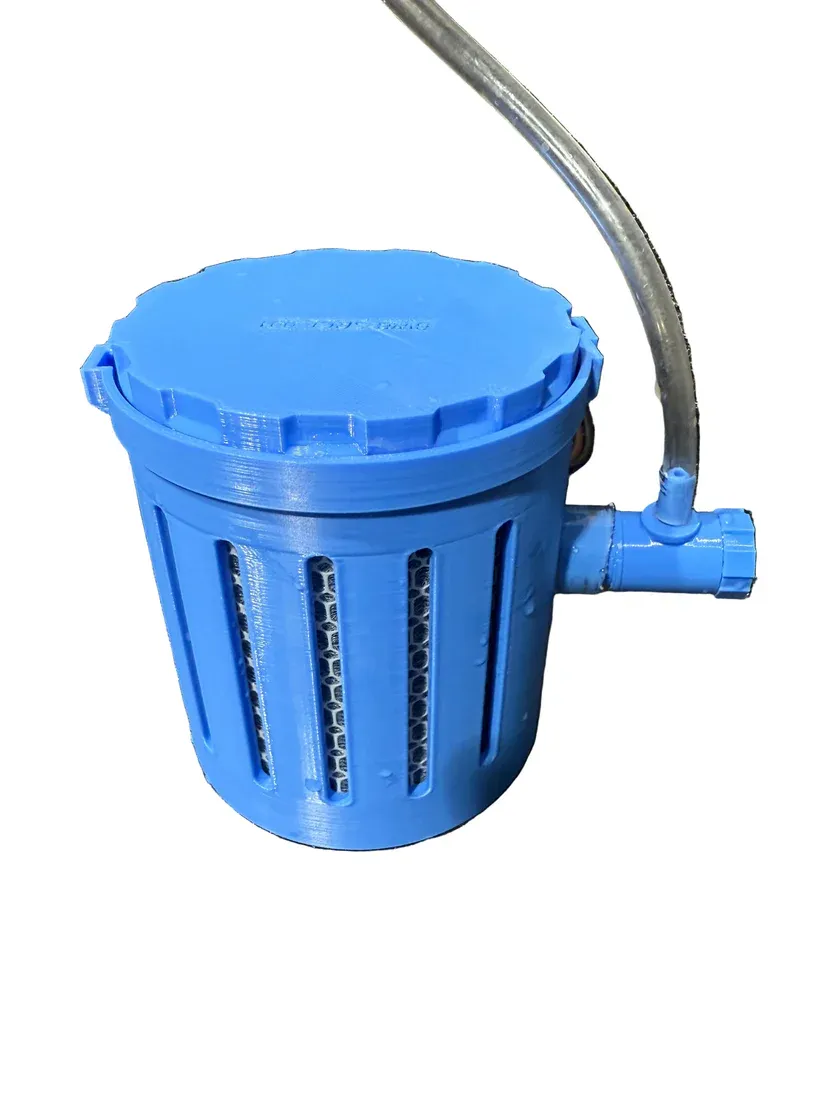
Modern livewell systems can combine several functions to address the main challenges of maintaining bait. BaitWell Buddy uses filtration and a venturi-based aeration approach to help manage debris while adding oxygen to returning water. This combination provides anglers with a practical way to support cleaner, oxygenated water during fishing trips.
However, equipment is only one part of successful bait management. Regular observation, appropriate stocking, proper cleaning, and routine maintenance remain important for maintaining good conditions.
Simple Habits for Long Fishing Trips
Anglers can improve their livewell routine by following a few straightforward practices:
- Clean the livewell before every trip.
- Check all equipment before launching.
- Avoid overcrowding the tank.
- Maintain consistent water movement.
- Monitor bait activity throughout the day.
- Check the filter for debris buildup.
- Pay attention to changing water temperature.
- Clean the system after returning home.
Keeping Bait Strong From Start to Finish
The factors that affect live bait are interconnected. Oxygen, circulation, temperature, waste, stocking levels, and equipment condition can all influence the environment inside a livewell. Managing these elements together gives anglers a better opportunity to maintain suitable conditions during extended fishing sessions.
A thoughtful livewell routine does not need to be complicated. By preparing the system before the trip, monitoring bait and water conditions during the day, and maintaining equipment afterward, anglers can create a more stable environment for their bait and spend more time focused on fishing.


















Sign in to leave a comment.