

The Impact of Fashion and Lifestyle on Modern Sports Branding
Sports branding has changed significantly in the digital era. Athletes are no longer recognized only for their performances, records, or championship victories. Their personalities, fashion choices, interests, and lifestyles have become important parts of how fans and brands connect with them. Social media has accelerated this shift by allowing athletes to communicate directly with audiences and create personal identities beyond competition. Research on female athletes shows that social platforms are increasingly used for self-presentation, promotion, interaction, and behind-the-scenes storytelling.


Fashion as a Powerful Branding Tool
Fashion has become one of the most visible elements of modern athlete branding. What athletes wear at events, training sessions, interviews, award ceremonies, and public appearances can contribute to a recognizable personal image. Sportswear companies also use these visual identities to connect athletic performance with everyday fashion.
The growth of athleisure has made the relationship between sports and fashion even stronger. Sneakers, tracksuits, jackets, training clothes, and accessories can now move easily from gyms and stadiums into everyday wardrobes. As a result, athletes can represent both sporting excellence and contemporary lifestyle trends. Campaign imagery from major sportswear brands frequently combines athletic clothing with fashion-focused styling, demonstrating how performance and lifestyle are increasingly presented together.
From Athletic Performance to Personal Identity
The modern sports audience often wants to know more about an athlete than their statistics. Fans may be interested in their hobbies, fashion preferences, travel experiences, fitness routines, family-friendly lifestyle content, business activities, or charitable interests. This broader identity can give brands additional ways to communicate with consumers.
For this reason, searches and discussions surrounding Hottest Female Athletes can extend beyond conventional sports coverage and into conversations about fashion, confidence, personality, fitness, and public image. However, athlete branding is increasingly focused on presenting women as multidimensional personalities rather than reducing them to appearance alone. Recent research on female athlete branding highlights the combination of sporting performance, personal lifestyle, and social-media self-presentation as important elements of modern athlete brands.
Social Media Makes Branding More Personal
Instagram, TikTok, YouTube, and other social platforms have changed the relationship between athletes and their audiences. Instead of relying exclusively on newspapers, television interviews, or sports organizations, athletes can publish their own photographs, videos, stories, and opinions.
This direct communication can make an athlete's brand feel more personal. A training video may demonstrate discipline, while a fashion photograph can communicate personal style. A behind-the-scenes post can show everyday experiences that traditional sports coverage might never include. Academic research has found that female athletes use different social-media formats for purposes including interaction, promotion, opinions, and behind-the-scenes storytelling.
The Role of Sponsorships
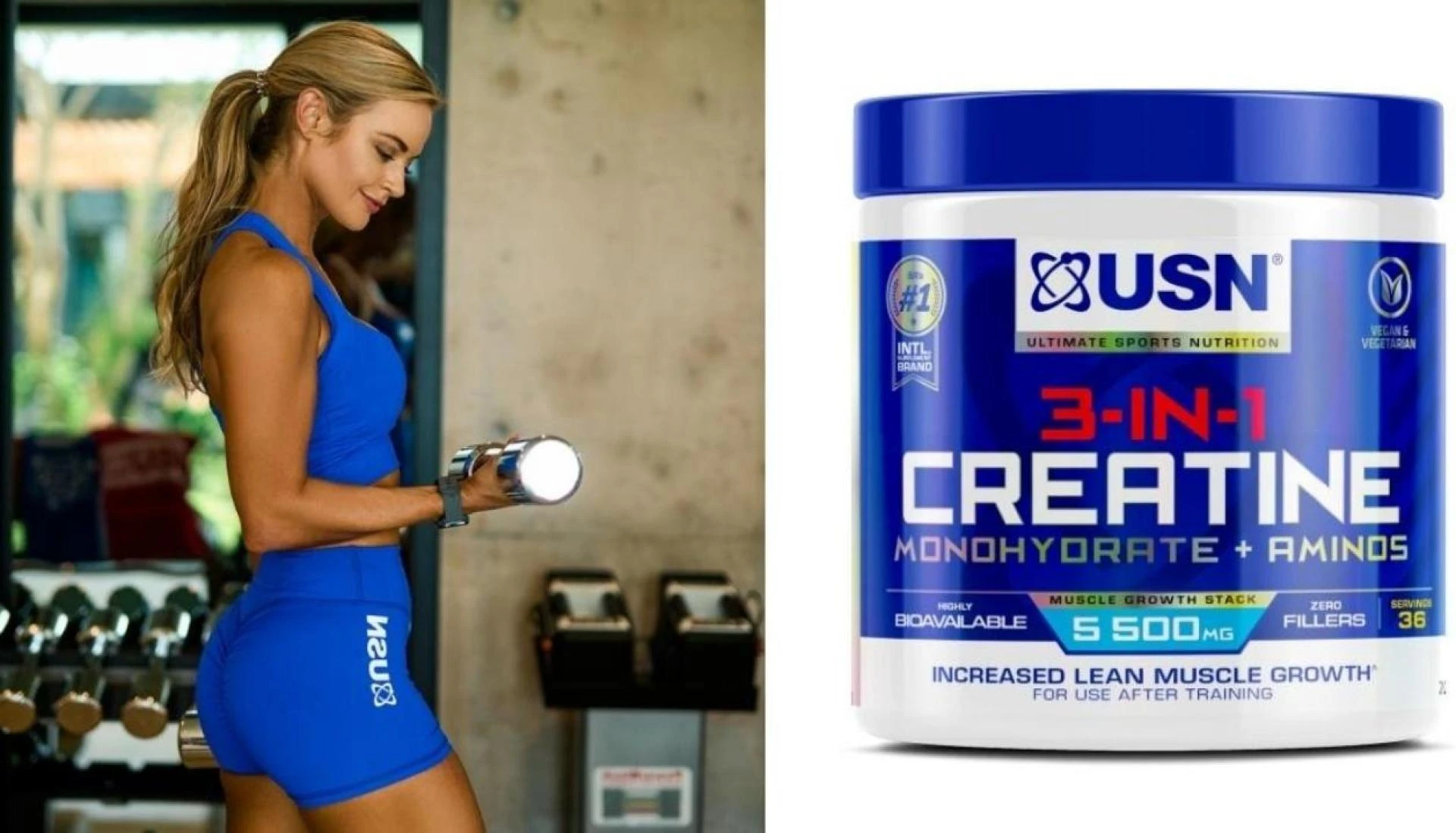
Fashion and lifestyle content also creates opportunities for commercial partnerships. A sportswear company may collaborate with an athlete because the athlete represents particular qualities that the brand wants to communicate. These partnerships can involve clothing, footwear, beauty products, fitness equipment, technology, travel, or lifestyle products.
The visual connection between athlete and brand is especially important. A well-designed campaign can associate a product with qualities such as confidence, determination, energy, individuality, or performance. Athlete-led partnerships can therefore become part of a larger storytelling strategy rather than functioning simply as traditional advertisements.


Lifestyle Content Builds Audience Connection
Lifestyle content gives sports personalities another way to remain connected with fans between competitions. Athletes can share preparation routines, travel experiences, training sessions, fashion choices, food, hobbies, or professional projects.
This type of content can also help introduce an athlete to people who may not regularly follow a particular sport. Someone interested in fashion, fitness, entrepreneurship, or lifestyle content may discover an athlete through social media and eventually become interested in their sporting career.
At the same time, research suggests that female athletes can face complicated expectations around appearance and self-presentation online. Studies have found that audiences may interpret appearance-focused content differently from performance-focused content, demonstrating why modern athlete branding requires careful management of personal identity.
Authenticity Matters
Modern audiences are exposed to large amounts of sponsored content every day, making authenticity increasingly valuable. An athlete's personal brand is more sustainable when commercial partnerships fit naturally with their interests and public identity.
For example, an athlete known for fitness and training may naturally collaborate with an activewear company. Another athlete with an interest in fashion may work with a clothing or footwear label. When the partnership fits the athlete's established identity, the promotional message can feel more consistent.
Authenticity does not mean avoiding professional branding. Instead, it means creating a recognizable connection between an athlete's actual interests, sporting career, communication style, and commercial partnerships.
Balancing Fashion With Athletic Achievement
Although fashion and lifestyle have become important components of sports branding, athletic achievement remains central to an athlete's professional identity. Records, performances, championships, leadership, and dedication provide the foundation on which many successful personal brands are built.
This balance is particularly relevant for women athletes. Research on contemporary female athlete branding indicates that social media can provide opportunities to expand representation beyond traditional sports-media limitations, while also creating pressures related to appearance and personal presentation.
A strong modern sports brand can therefore combine multiple dimensions: performance, personality, fashion, lifestyle, values, and audience engagement.
The Future of Sports Branding
The connection between sports and lifestyle is likely to continue developing as digital platforms become more important. Athletes can increasingly function as creators, entrepreneurs, ambassadors, and media personalities alongside their sporting careers.
Brands, meanwhile, have more opportunities to collaborate with athletes on campaigns that combine sport, fashion, entertainment, and culture. The most important development is that athletes have greater control over how they present themselves and communicate directly with their audiences.
Fashion and lifestyle have therefore become significant components of modern sports branding. They provide athletes with additional ways to express individuality, connect with different audiences, and develop commercial partnerships while maintaining a connection to their sporting achievements. As women's sports and athlete-led media continue to receive greater attention, personal branding will remain an important part of the modern sports landscape.



















Sign in to leave a comment.