
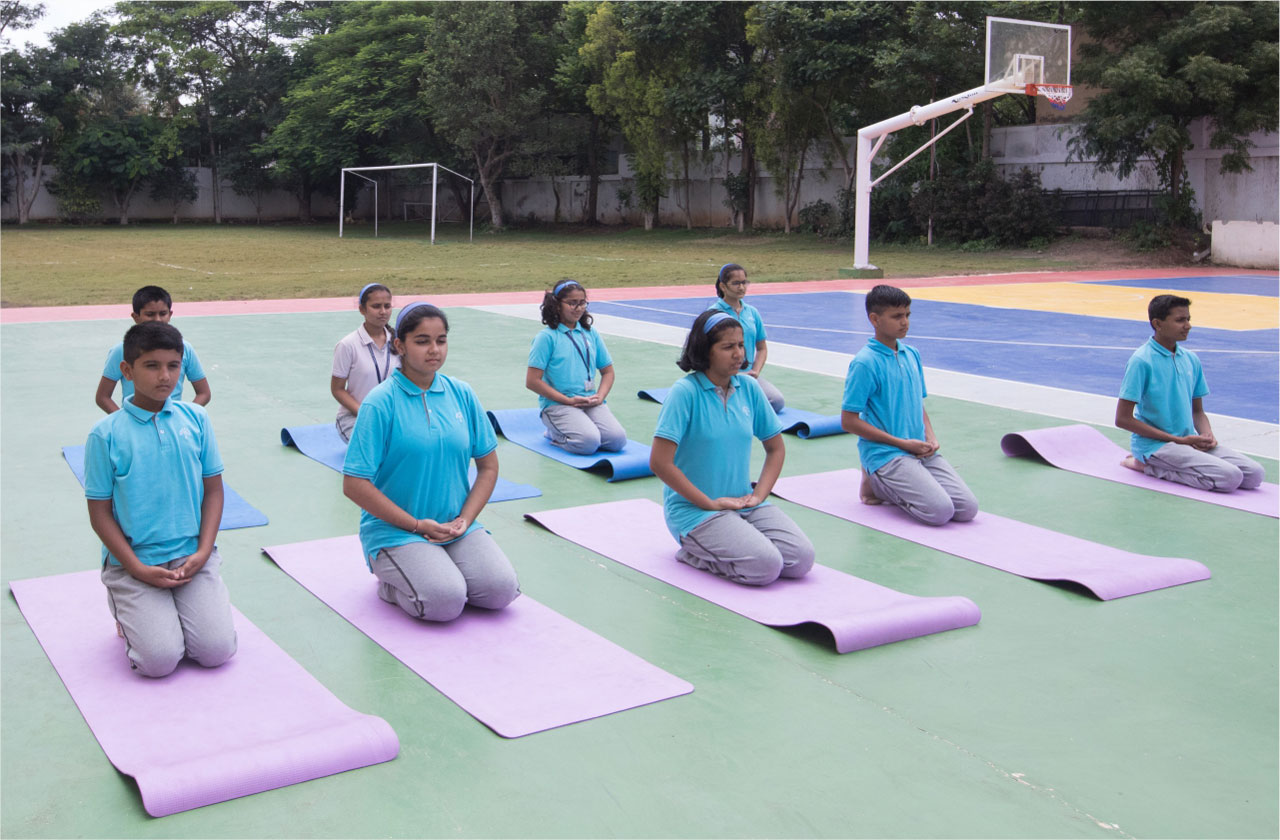
School education is not limited to textbooks, classroom lessons, and examinations. Physical activity is also an important part of a student's overall development. Regular sports and exercise can help children build physical fitness while also developing qualities such as discipline, teamwork, confidence, patience, and leadership.
A balanced school environment gives students opportunities to focus on academics while remaining physically active. When children participate in sports and other physical activities regularly, they can develop habits that support their health and personal growth throughout their lives.
Why Physical Activity Matters for Students
Children need regular movement as they grow. Physical activities such as running, cycling, swimming, football, basketball, badminton, and athletics can help students develop strength, coordination, balance, and endurance.
Regular movement also provides a healthy break from extended periods of sitting in classrooms or studying. Schools can encourage students to remain active through physical education classes, sports periods, competitions, and recreational activities.
The goal is not necessarily to make every student a competitive athlete. It is to help children understand the value of staying active and making physical activity part of a healthy lifestyle.
Supports Physical Health
One of the most obvious benefits of school sports is improved physical fitness. Regular activity can help children develop stronger muscles and bones, improve cardiovascular fitness, and maintain healthy physical development.
Sports can also help students develop better coordination and body awareness. Activities that involve running, jumping, throwing, catching, or changing direction require children to control their movements and respond to different situations.
Developing these abilities during childhood can create a positive attitude toward physical activity as students grow older.
Improves Focus and Classroom Engagement
Physical activity can also complement academic learning. After spending a long period sitting and concentrating, students may benefit from opportunities to move and refresh their minds.
A structured sports period or short physical activity can provide a break from academic tasks. When students return to the classroom, they may feel more prepared to participate and concentrate.
Physical education should therefore not be viewed simply as time away from academic learning. It can be part of a balanced educational routine that supports students' overall well-being.
Builds Teamwork and Cooperation
Many sports require students to work together toward a shared goal. Team games such as football, basketball, cricket, hockey, and volleyball encourage children to communicate, coordinate their actions, and support their teammates.
Through these experiences, students learn that individual performance is only one part of success. They also need to listen to others, understand different roles, and cooperate with people who may have different strengths.
These lessons can be useful in group projects, friendships, higher education, and future workplaces.
Teaches Discipline and Responsibility
Sports involve rules, practice, preparation, and commitment. Students who participate regularly learn that improvement usually requires consistent effort.
For example, a student learning a new sport may not perform well initially. With regular practice and guidance, skills can gradually improve. This teaches children the value of patience and persistence.
Sports can also teach students to respect rules, arrive on time, take care of equipment, and accept responsibilities within a team. These habits can contribute to personal development beyond the playing field.
Helps Students Develop Confidence
Participating in physical activities can give students opportunities to experience achievement. Learning a new skill, improving performance, completing a difficult activity, or contributing to a team can increase confidence.
Importantly, confidence does not have to come only from winning competitions. Students can learn to appreciate personal improvement and effort.
A child who initially struggles to run a certain distance but gradually improves can experience a meaningful sense of achievement. Such experiences can encourage students to approach other challenges with greater confidence.
Develops Leadership Skills
Sports can provide natural opportunities for students to develop leadership abilities. Team captains and student leaders may need to organize teammates, communicate instructions, make decisions, and encourage others.
However, leadership is not limited to students with formal roles. Any student can demonstrate leadership by supporting teammates, taking responsibility, helping others, or setting a positive example.
These experiences can help children understand that leadership involves responsibility, communication, cooperation, and decision-making.
Teaches Students How to Handle Success and Failure
Winning and losing are natural parts of sports. Learning how to respond to both experiences can be valuable for children's emotional development.
A student may win one competition and lose another. Instead of treating either outcome as a complete measure of ability, students can learn to focus on effort, preparation, improvement, and lessons from the experience.
Handling disappointment in a healthy way can help children develop resilience. Similarly, experiencing success can teach them to remain respectful and appreciate the contribution of others.
Encourages Healthy Social Interaction
Sports provide students with opportunities to interact with classmates outside traditional academic activities. They can meet students with different personalities, interests, and abilities.
Playing together can encourage communication, friendship, cooperation, and mutual respect. It can also help students become more comfortable working with people who may approach activities differently.
For many children, sports and extracurricular activities can become an important part of their school experience.
Sports and a Balanced School Education
A strong educational environment should support multiple areas of development. Parents looking for a Best School in Faridabad can consider how the school balances academic education with physical activities, sports, creative opportunities, and student development.
Families considering a Best CBSE School in Faridabad can also look at opportunities for students to participate in physical education, sports competitions, team activities, and recreational programs.
Similarly, an English Medium School in Faridabad can provide a broader learning environment where students develop communication skills and academic knowledge while also participating in sports and other activities.
Encouraging Students to Stay Active
Not every student will enjoy the same sport, and schools should provide different options whenever possible. Some students may prefer team games, while others may enjoy athletics, yoga, dance, swimming, or individual activities.
Parents can also encourage physical activity outside school by taking family walks, cycling together, visiting parks, or allowing children time for outdoor play.
The focus should be on creating positive experiences with movement rather than making physical activity feel like an additional academic obligation.
Conclusion
Sports and physical activities are an important part of well-rounded school education. They support physical fitness while helping students develop teamwork, discipline, confidence, leadership, communication, resilience, and responsibility.
When schools provide meaningful opportunities for physical activity, students can learn valuable lessons both on and off the field. A balanced approach to education recognizes that children need opportunities to develop their minds, bodies, social skills, and personal confidence together.
By making physical activity a regular part of school life, educators and families can help students develop healthier habits and skills that can benefit them throughout their lives.




























Sign in to leave a comment.