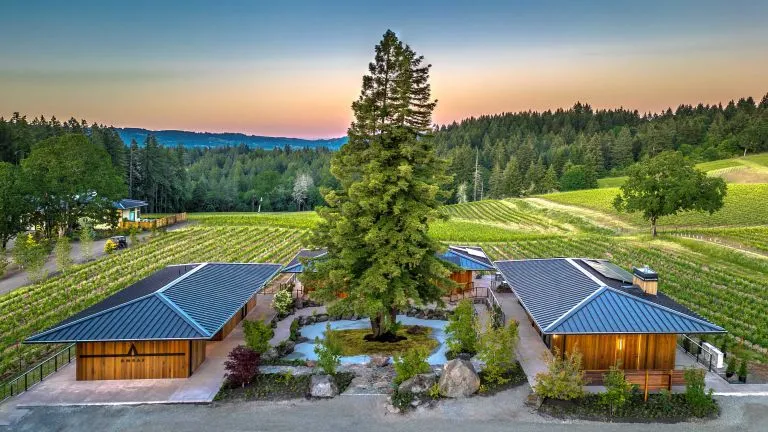

Beyond Sustainable: How Soil Microbiology, Cover Crops, and Carbon Sequestration Create Purer Expressions of Dundee Hills Terroir
Across the rolling hills of Oregon’s Willamette Valley, a quiet paradigm shift is taking root. For decades, terms like sustainable, organic, and biodynamic have dominated discussions around environmental stewardship in wine production. However, forward-thinking winemakers are pushing beyond merely maintaining ecosystems, they are actively restoring them.
Enter Regenerative Organic Viticulture.
This holistic approach to farming views the vineyard not as a monoculture crop to be managed, but as a living, self-sustaining ecosystem. By focusing on soil health, biodiversity, and natural carbon sequestration, regenerative practices do more than protect the planet, they produce wines of extraordinary clarity, balance, and vitality.
The Core Pillars of Regenerative Organic Agriculture
To earn Regenerative Organic Certified® (ROC) status, a vineyard must adhere to rigorous standards across three core pillars: Soil Health, Animal Welfare, and Social Fairness. In the vineyard, this translates to specific, high-impact farming practices:
1. Eliminating Synthetic Inputs & Tillage
Traditional farming often relies on synthetic fertilizers and regular mechanical tillage. Tillage disrupts soil structure and releases stored carbon into the atmosphere. Regenerative viticulture eliminates synthetic chemicals and minimizes soil disruption, allowing complex fungal networks (mycorrhizae) to thrive uninterrupted.
2. Diverse Cover Cropping
Instead of bare dirt between vine rows, regenerative vineyards plant diverse blends of native grasses, legumes, and flowering cover crops. Legumes naturally fix nitrogen in the soil, while deep-rooting grasses break up compacted earth and improve water retention during dry summer months.
3. Integrated Livestock & Grazing
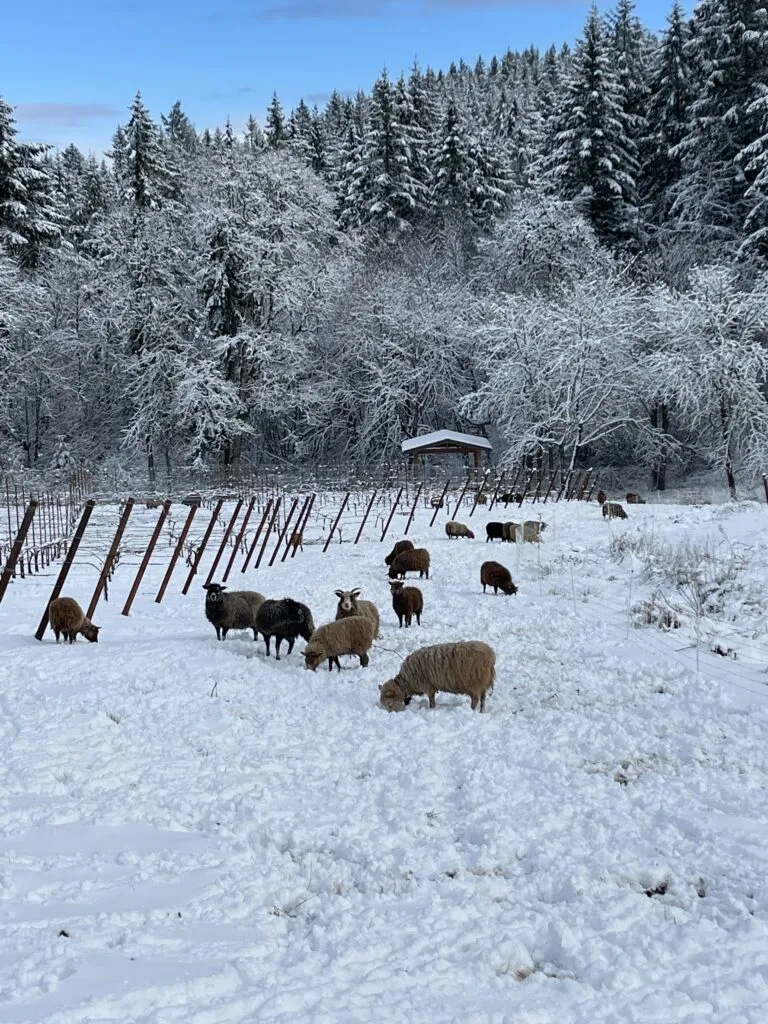
Animals play an active role in vineyard health. Rotational sheep grazing during the dormant winter season provides natural weed management and returns organic matter to the soil in the form of natural fertilizer, closing the nutrient loop on the estate.
How Living Soil Transforms Wine in the Glass
Does farming regeneratively actually change the taste of wine? Viticulturists and winemakers increasingly answer with a resounding yes.
When vine roots interact with a biologically active soil web, they absorb balanced micronutrients naturally rather than absorbing surge bursts of synthetic nitrogen. This organic synergy impacts wine quality in tangible ways:
- Natural Acid Balance: Vines grown in carbon-rich soil maintain steady nutrient uptake throughout the growing season, preserving vibrant natural acidity even during warm vintages.
- Phenolic Depth & Skin Thickness: Minimal artificial intervention encourages vines to develop natural resilience, yielding berries with thicker skins, rich phenolic compounds, and complex structural tannins.
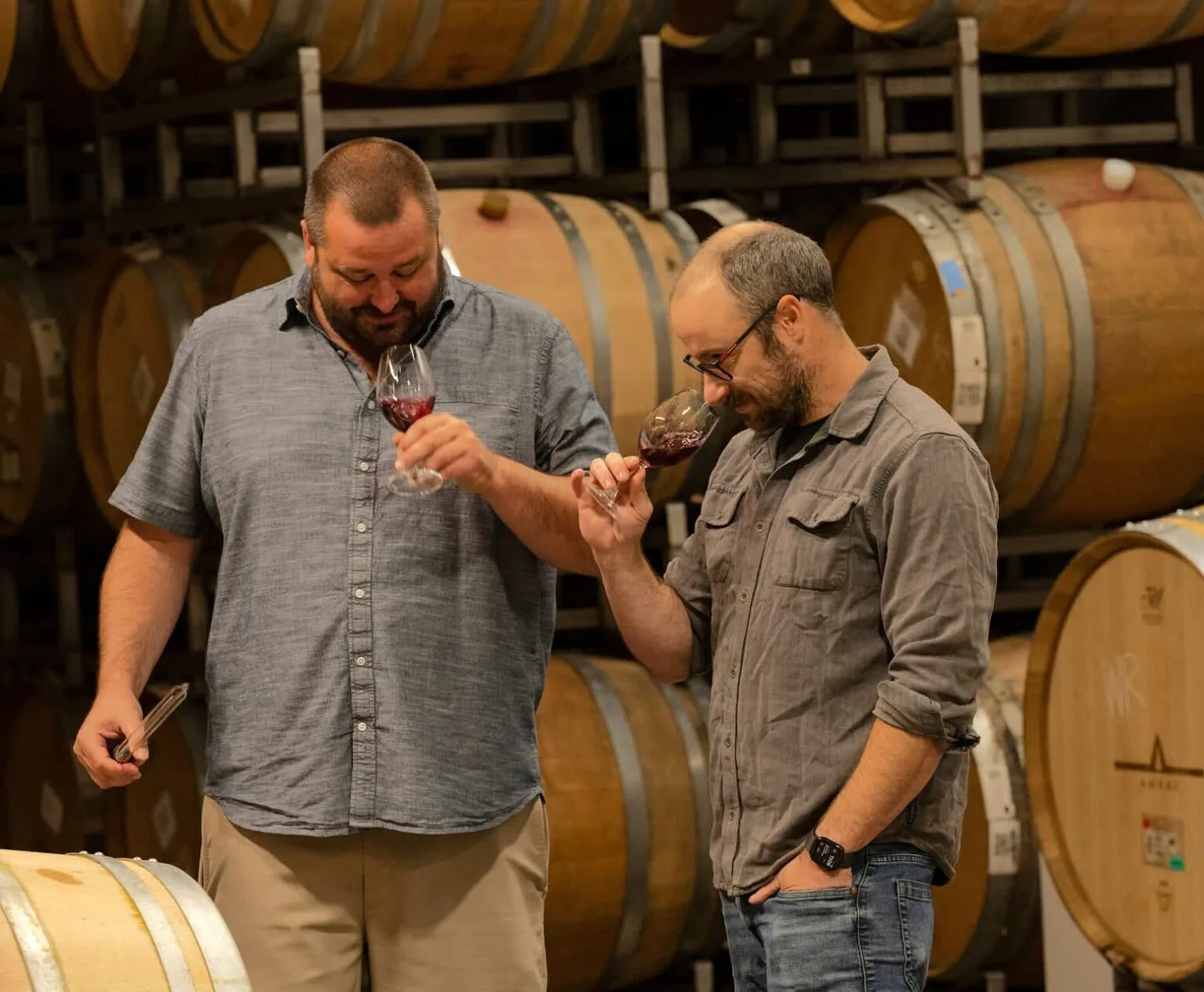
- Enhanced Expression of Terroir: Healthy soil microbiology acts as the conduit between site and vine. When you sample single-block wines or shop our estate Chardonnay, the result is a direct reflection of place—marked by mineral tension, precise fruit purity, and bright, lingering aromatics.
Experiencing Regenerative Hospitality
Regenerative practices don't end in the vineyard fields; they extend directly onto the dining table. When a vineyard ecosystem is thriving, its bounty inspires every aspect of the guest experience.
At Ambar Estate—the first Regenerative Organic Certified® vineyard in the Willamette Valley, this philosophy informs the entire culinary program. Winery Chef Heidi Whitney-Schile collaborates directly with the estate gardens and local organic micro-farms to craft seasonal dishes that mirror the farm's biodiversity.
Whether featuring spring pea toast with wild herbs or roasted autumn squash, the food and wine share the exact same soil-driven origin. To experience this harmony firsthand, guests can explore seasonal menus when discovering wineries with food in the Willamette Valley or reserve a private tasting when planning to book a Dundee Hills wine tasting.
Frequently Asked Questions About Regenerative Viticulture
What is the difference between Organic and Regenerative Organic Certified®?
While standard Organic certification focuses primarily on prohibiting synthetic pesticides and fertilizers, Regenerative Organic Certification goes further. It requires proactive practices that build topsoil health, capture atmospheric carbon, increase biodiversity, and ensure fair working conditions for farm labor.
Does regenerative farming help fight climate change?
Yes. Carbon-dense soil and undisturbed cover crops act as natural carbon sinks, pulling carbon dioxide out of the atmosphere and storing it safely underground in the soil's organic matter.
How does regenerative farming affect water usage?
By increasing organic matter in the soil, the ground acts like a natural sponge. Every 1% increase in soil organic matter allows the land to hold thousands of gallons of additional water per acre, drastically reducing or eliminating the need for artificial irrigation.
Where can I taste regenerative wines in Oregon?
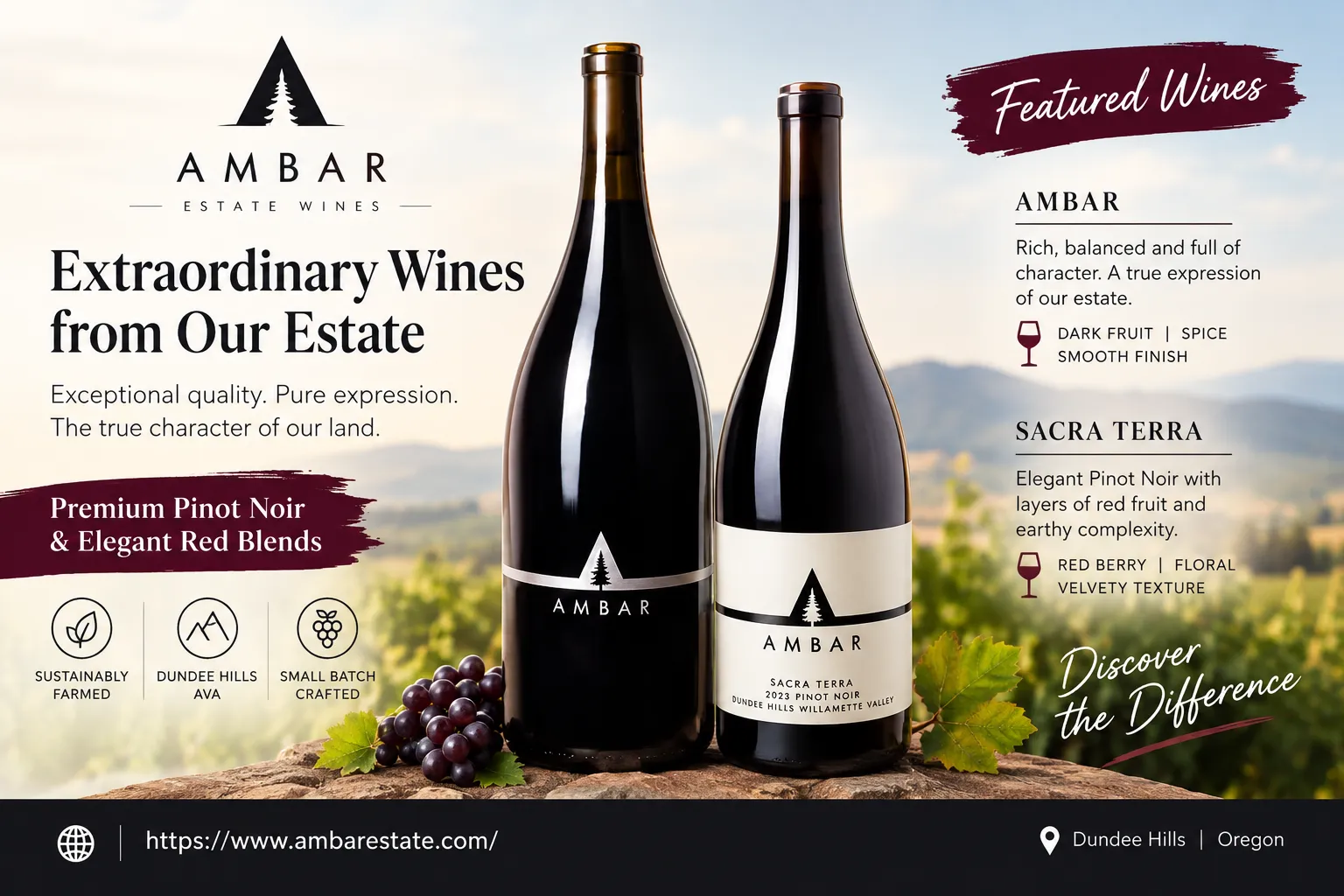
You can taste Regenerative Organic Certified® Pinot Noir and Chardonnay directly at estate vineyards in the Dundee Hills. Plan a visit to experience estate flights and seasonal culinary pairings on-site by visiting Ambar Estate.























Sign in to leave a comment.