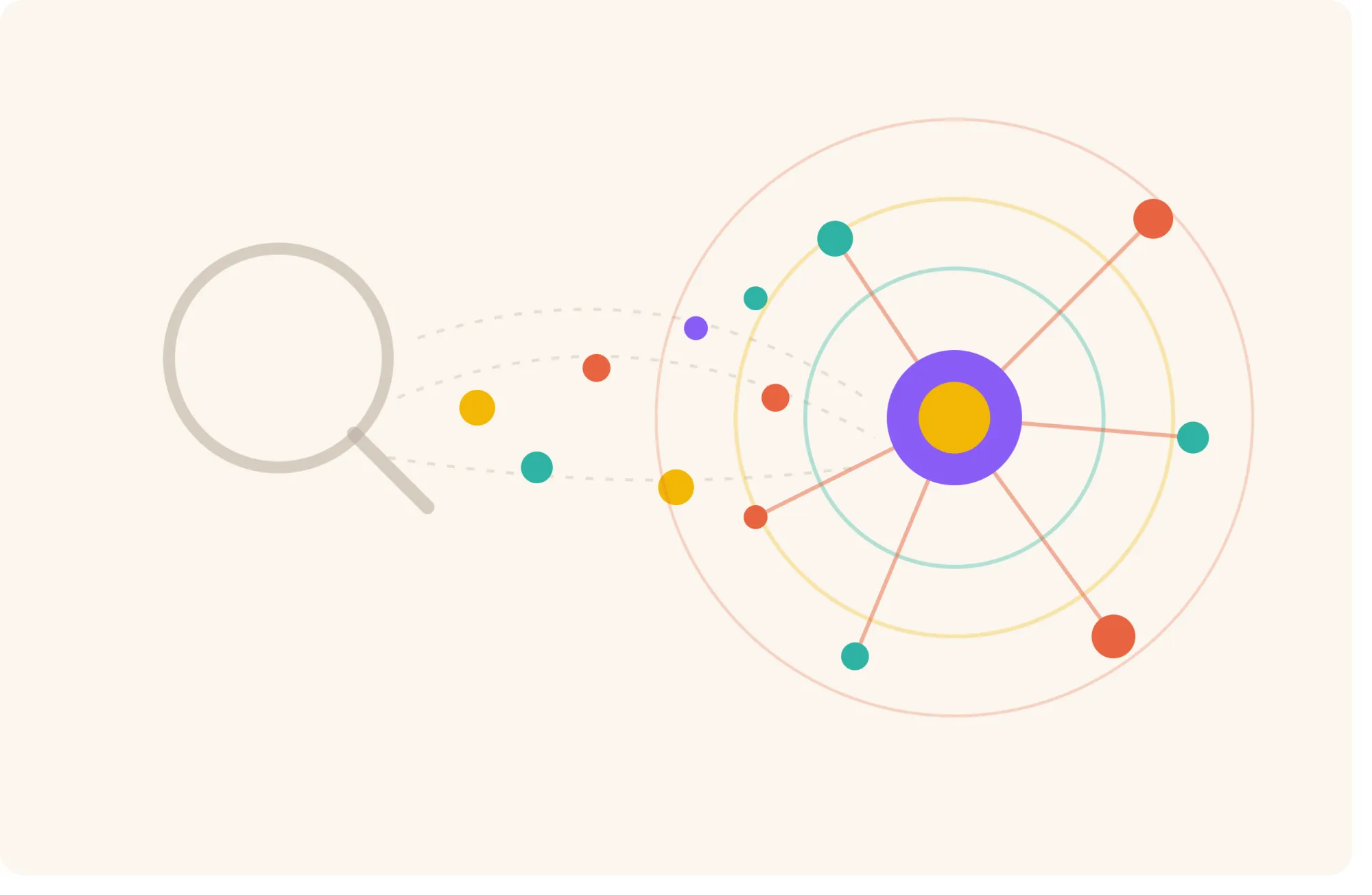

Ask most marketing teams at trading brands where their budget goes, and you'll hear the same list every time. SEO consultants. Backlink campaigns. Content written purely to rank. Paid placements on comparison sites built to feed Google's algorithm. All of it aimed at one goal, climbing higher on a search results page.
Here's the uncomfortable part nobody in that meeting wants to say out loud. A growing share of the people that budget is meant to reach have already stopped scrolling through search results.
Where the Traffic Actually Went
Think about the last time you personally researched something complicated. Did you open ten tabs and compare them, or did you just ask ChatGPT and trust the answer? Traders are doing exactly that now, typing questions like "best regulated forex broker" or "safest prop firm" straight into an AI model and accepting whatever name comes back.
That behavior doesn't show up cleanly in Google Analytics. It looks like a slow, quiet decline in organic traffic that nobody can quite explain, and most teams respond by doubling down on the same SEO tactics that used to work. More content. More backlinks. More keyword optimization. It's a reasonable instinct, and it's increasingly pointed at the wrong target.
Why Ranking First Doesn't Guarantee Anything Anymore
An AI model answering a question about brokers isn't crawling live search rankings to decide what to say. It's drawing on patterns baked into it during training, on associations built from whatever the internet said about a brand long before that conversation happened. A firm can hold the number one spot on Google for its most valuable keyword and still never get mentioned when a trader asks a chatbot the same question directly.
That's a strange kind of invisibility, and it's happening to brands that are, by every traditional metric, doing everything right.
Proof This Isn't Just a Theory
Pipswire runs a quarterly AI visibility index that measures this directly, tracking how often trading brands get named across five major AI systems, in dozens of markets, based on the actual questions traders type. The numbers tell an uncomfortable story for anyone still spending most of their budget on search. A small group of brands show up constantly in these answers, regardless of where they rank on Google, while others with strong search positions barely register at all.
Budget allocation, in other words, hasn't caught up to where the actual conversations are happening.
Where the Next Dollar Should Probably Go
This doesn't mean abandoning SEO entirely. Search still matters, just less than it used to as the only channel worth funding. A few shifts worth considering instead.
Start tracking whether your brand gets mentioned by AI models at all, the same way you'd track keyword rankings. Redirect some of that backlink budget toward publishing clear, well-sourced content about regulation and safety, since that's the material these models tend to trust and repeat. Treat citation, being the source an AI model actually references, as seriously as you once treated ranking position.
The brands still pouring their entire budget into a search engine that fewer people are scrolling through aren't wrong that SEO matters. They're just optimizing for last decade's finish line, while the race has quietly moved somewhere else.





















Sign in to leave a comment.