

Every city claims to have a great food scene. New York is one of the few that can actually back it up with numbers: over 25,000 restaurants, cuisines from nearly every country on earth, and a customer base sophisticated enough to keep a bad restaurant from lasting six months. But the raw statistics don't explain why the food here feels different. The reasons run deeper than restaurant count.
It's Not One Food Scene, It's Hundreds
The biggest misunderstanding about New York food is treating it as a single entity. It isn't. Flushing has one of the most serious Chinese food scenes outside of China. Jackson Heights is a destination for South Asian and Latin American food that rivals entire countries. Arthur Avenue in the Bronx has held onto Italian-American cooking traditions longer than most of Little Italy in Manhattan. Each of these is effectively its own food city, with its own standards, its own regulars, and its own internal competition that has nothing to do with Manhattan tasting menus or Michelin stars.
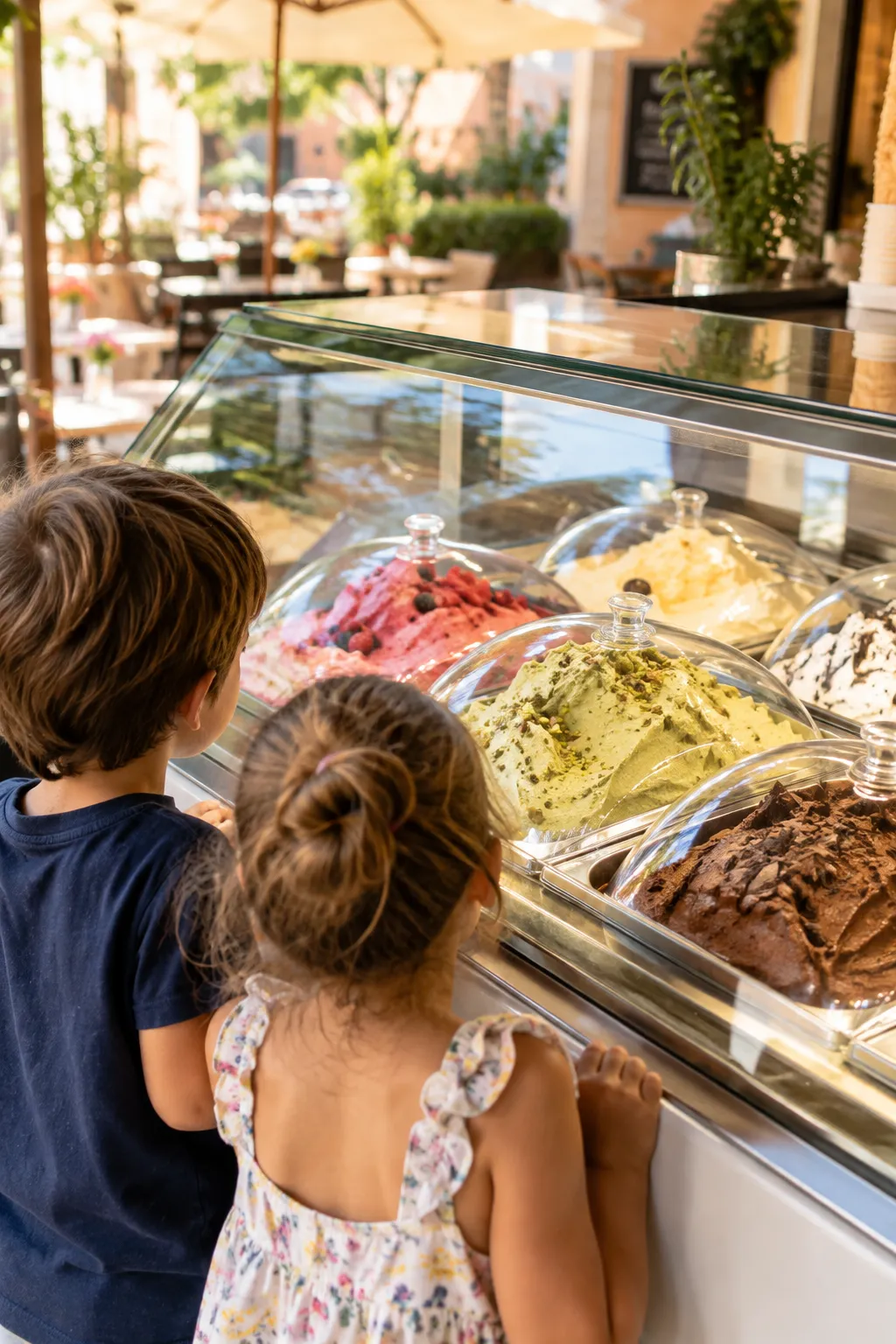
This is why "best restaurants in New York" lists miss so much. The best plate of dumplings in the city might be in a strip mall in Queens with no website. The best gelato might be behind a counter in a neighborhood most tourists never visit. Quality here doesn't correlate with visibility the way it does in smaller cities.
Immigration Is the Engine, Not a Footnote
New York's food identity was built by immigration, and it still runs on it. Every wave of arrivals brought a cuisine, and unlike many American cities where immigrant food gets diluted or Americanized to survive, New York's density means a restaurant can serve an authentic version of a dish and still find enough customers who grew up eating it to stay open.
That authenticity pressure changes the calculus for every food business in the city. A restaurant can't fake a cuisine here, because there's almost always a neighborhood full of people who know exactly what the real version tastes like. That keeps standards high across categories that would get watered down elsewhere.
The Speed and Convenience Standard
New Yorkers walk everywhere, work long hours, and have limited kitchen space. That combination created a food culture obsessed with speed without sacrificing quality; a $3 slice of pizza still has to be good, a bodega sandwich still has to hit, a coffee cart still has to be reliable every single morning. There's no tolerance here for mediocre food just because it's convenient. It has to be both.
This standard shapes everything from fast-casual concepts to dessert counters. A gelato shop can't just be good, it has to be fast enough for someone grabbing a scoop between the subway and their next meeting, and consistent enough that the version they get today matches the version they had last week.
Competition Keeps Prices Honest and Quality High
With this many restaurants fighting for the same customers, mediocrity gets punished fast. A restaurant that coasts on reputation instead of consistent execution loses its lease to something better within a year or two. That churn is brutal for restaurant owners, but it's exactly what keeps the overall bar so high. Customers here have too many options to settle.
This is also why word of mouth and community engagement carry so much weight in New York's food economy. A single strong write-up in a local Reddit thread or a mention in a neighborhood Facebook group can drive real traffic to a small food business, because New Yorkers trust their own community's recommendations over generic star ratings.
Where Dessert and Frozen Treats Fit
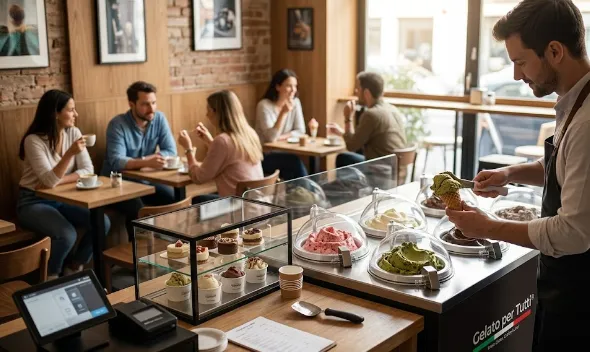
Dessert and frozen treat businesses operate under the same pressure as every other category in the city. A café adding a gelato program isn't just adding a menu item, it's stepping into a category where customers have already tried excellent gelato somewhere else in the city and know what it should taste like. That's a high bar, but it's also an opportunity: a café or restaurant that gets its gelato program right earns a kind of loyalty that a mediocre dessert offering never will.
Businesses supplying that category, from equipment makers to base suppliers like Gelato per Tutti, exist because so many restaurants and cafés want to compete in dessert without building an entire production operation from scratch. The demand is there because New Yorkers expect dessert to meet the same standard as everything else on the menu.
The Bottom Line
New York's food scene isn't great because of a few standout restaurants. It's great because of density, immigration, and a customer base that won't tolerate mediocrity in any price bracket, from a dollar slice to a tasting menu. That combination doesn't exist anywhere else at this scale, and it's why the city keeps producing new food trends, new immigrant cuisines gaining mainstream attention, and new small businesses willing to compete on quality alone.F



















Sign in to leave a comment.