
Events rarely fail on the day. They fail in week six of planning, in a meeting where a question went unasked.
The good news is that these gaps repeat. Once you know where to look, strong Corporate Event Management becomes a matter of checking the same five places every time.
Gap 1: Nobody Owns the Audience
Budget has an owner. Venue has an owner. The attendee often has none. Someone should be able to answer, "Who exactly are we designing for, and what do they need?"
Gap 2: Content and Space Are Planned Separately
The content team builds a 40-slide story. The venue team builds a floor plan. They meet at rehearsal, and the slides don't fit the room.
Gap 3: Lead Time Gets Underestimated
Custom builds, LED content and installations need weeks. A rough working guide for a mid-sized conference (scale it to your event):
- 16 weeks out: objective, audience, budget owner.
- 12 weeks: format, venue, content structure, installation brief.
- 8 weeks: production begins; sightlines and content locked.
- 4 weeks: rehearsals, run of show, contingency plans.
- Week after: follow-up and measurement.
Gap 4: One Format Is Stretched Across Every Audience
A room that suits a hundred engineers rarely suits five CXOs. Different guests need different settings.
Gap 5: Nothing Is Planned for the Day After
The event ends, the leads sit in a spreadsheet, and enthusiasm cools by Friday.
Leadership Events and Annual Day Events Show These Gaps Loudest
At Leadership Events, the gap is usually purpose: who speaks, and why them? At Annual Day Events, it's inclusion: the budget goes to the stage, while the newest joiners in the back row feel like an audience instead of part of the story.
Cashfree at Global Fintech Fest 2026: Three Rooms, One Message
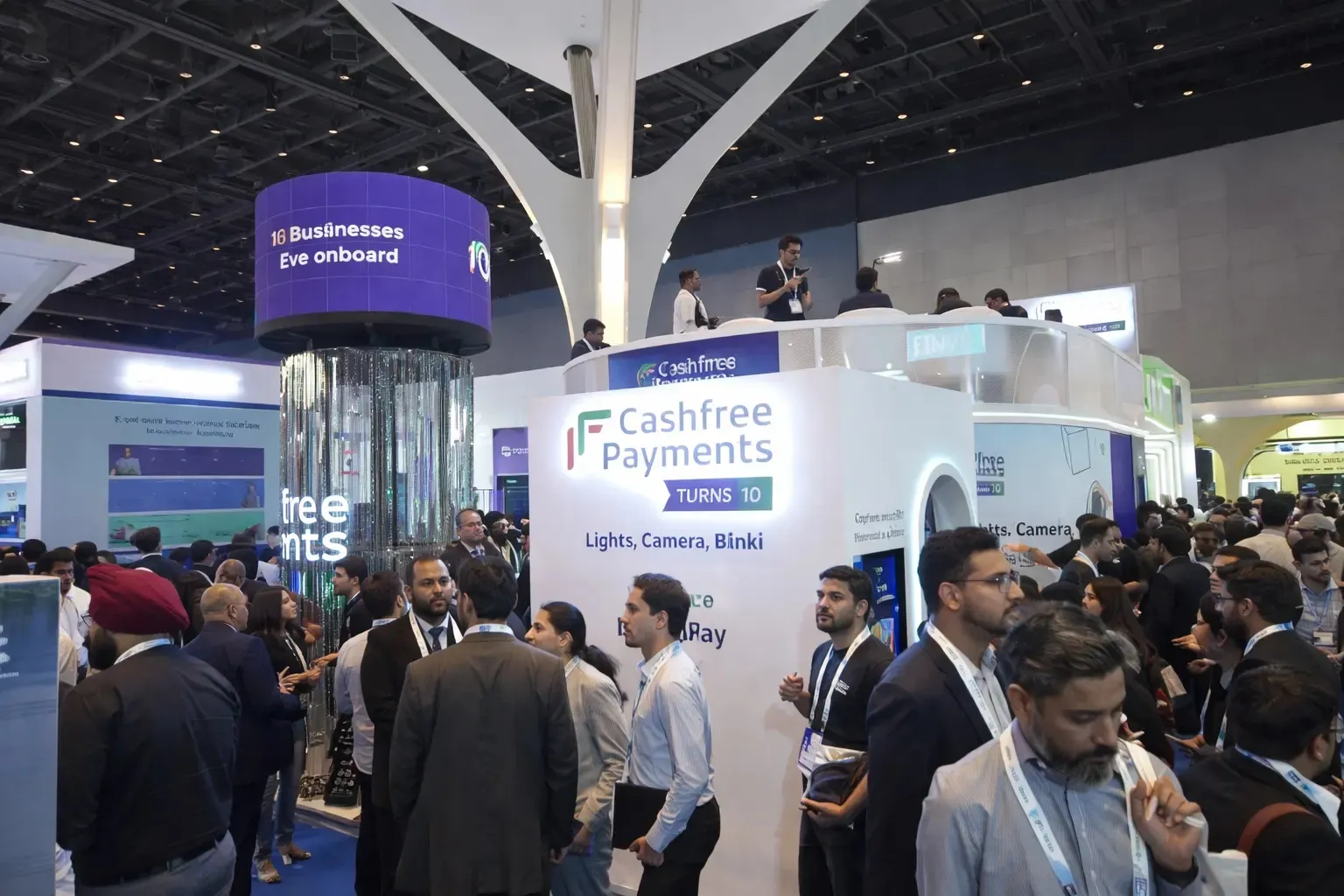
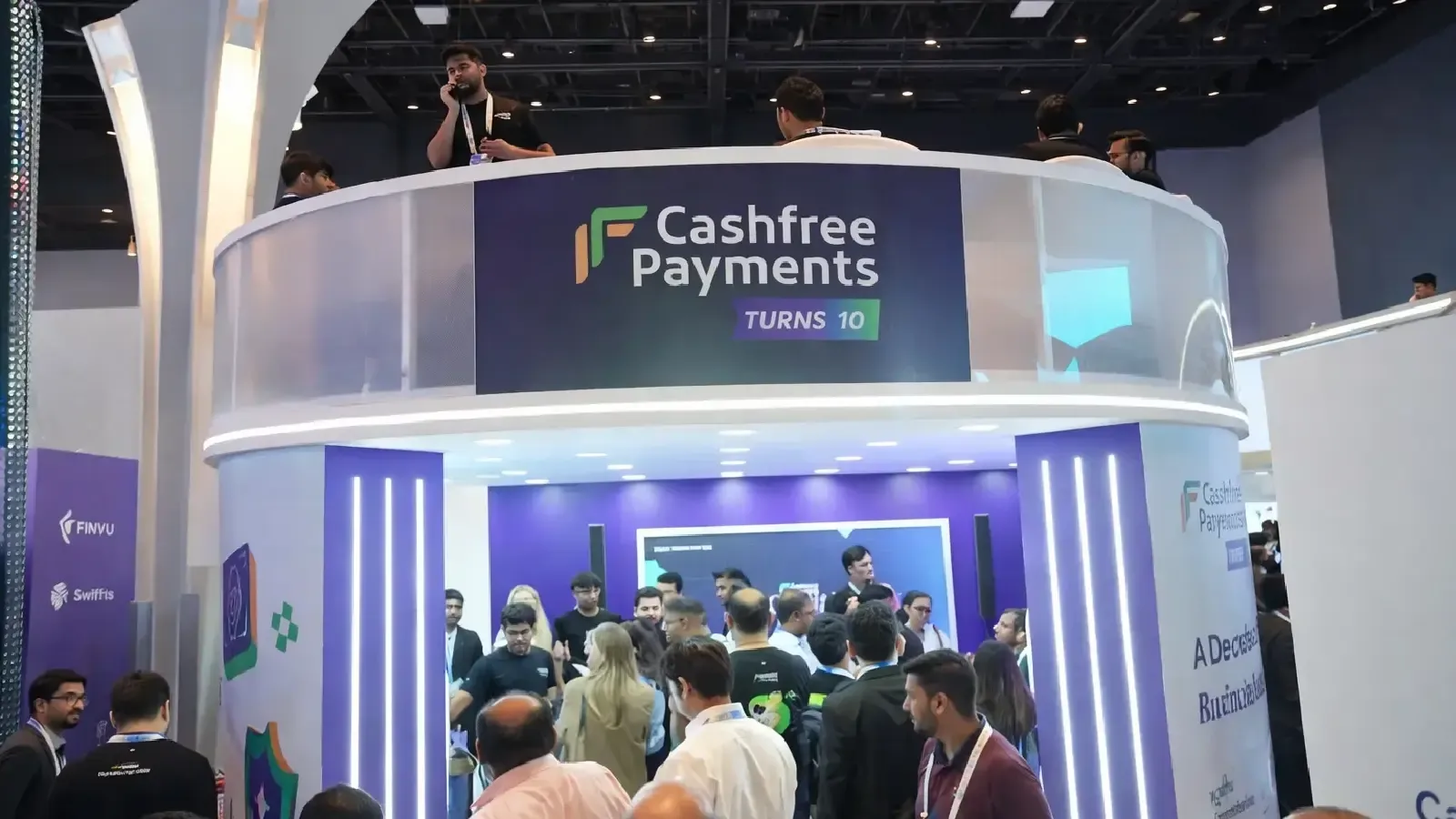
Cashfree's presence at GFF 2026 shows how many moving parts one brand can carry. There was a booth (K2), an invite-only hi-tea for senior leaders focused on cross-border commerce, and an invite-only afterparty for partners and merchants.
Each format has its own guests, mood and success measure. The gap risk lives between them: three rooms telling three slightly different stories.
The challenge is to make the brand feel like one presence across all of it. An anamorphic illusion helps, and it also teaches good planning. The content has to be rendered with the real viewing angle and distance baked in, which means the screen geometry, the sightline and the visual story get decided together and early. You can't fix it on the morning of the event.
The same visual idea can then appear, in different forms, at the booth, at the hi-tea and at the afterparty. A shared thread turns three formats into one memory. The full story is in Cashfree at Global Fintech Fest 2026.
Tips for Brands Building Memorable Interactive Installations
- Lock the sightline and screen geometry before content is designed.
- Freeze content early, with only a small buffer for edits.
- Have a fallback loop ready if a screen or a network fails.
- Use one visual motif across every format so the brand reads as a single presence.
- Rehearse with people who haven't seen it before.
What Retail Brands Gain From Immersive Marketing Activation
Retail shows what lead time buys. Gentle Monster's immersive installations at one US flagship took six months to design, by a team of architects, robot designers, engineers and installation, media and textile artists. The payoff is a store that becomes a destination in itself, which no last-minute display can copy.
A Gap Check You Can Run This Week
Ask five people involved in your event to write, separately, who the audience is and what the day should achieve. Compare the answers. Any mismatch is a gap.
StepOn Experience helps teams find these gaps early and close them before they cost anything. Send us your event brief, and we'll mark where the plan is thin.

























Sign in to leave a comment.