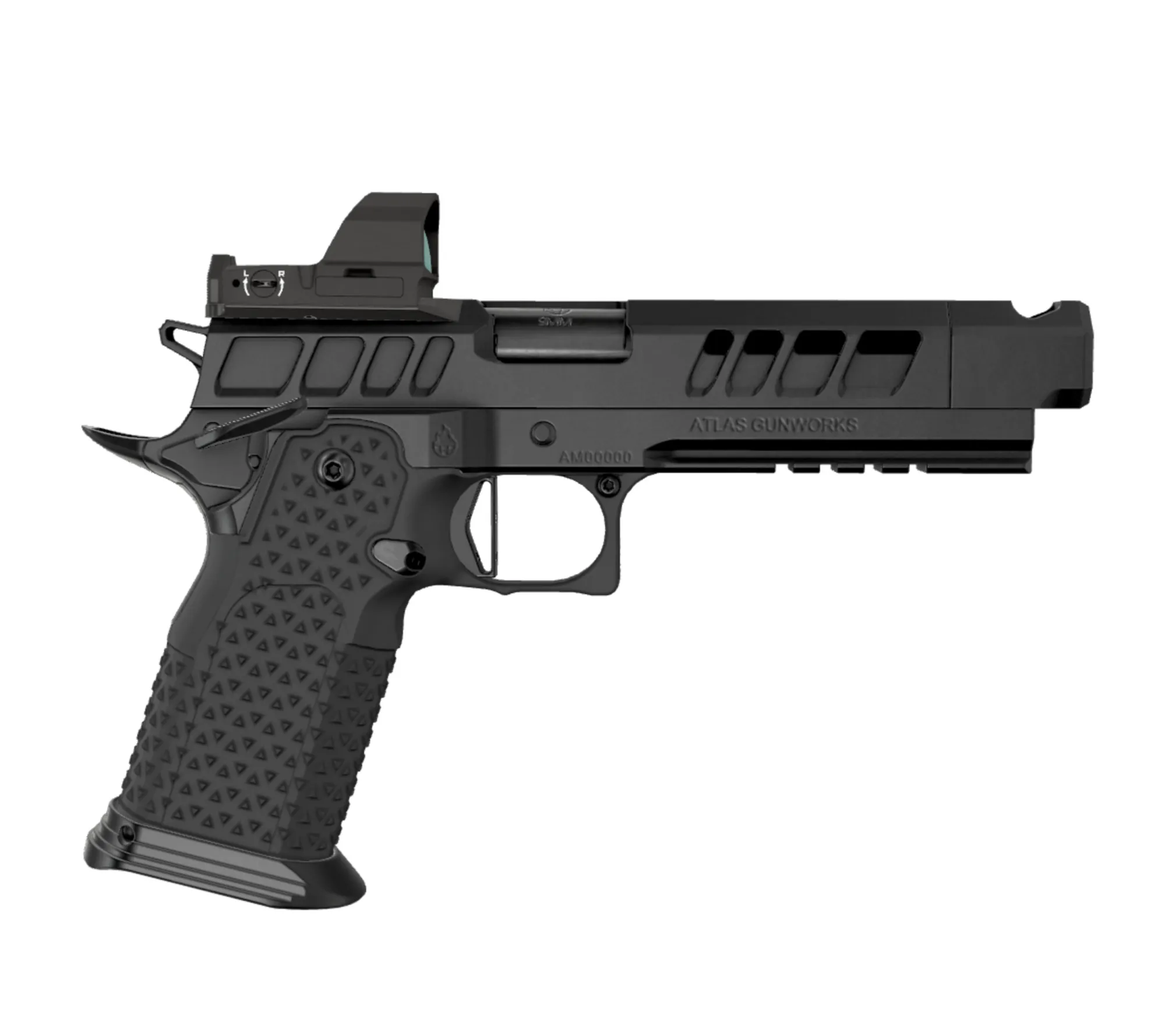

Precision manufacturing plays a major role in how premium competition-oriented pistols are designed, assembled, and evaluated. Atlas Gunworks (AG) pistols are associated with the 2011-style platform and emphasize carefully fitted components, specialized configurations, and performance-focused construction. Their design philosophy combines modern manufacturing processes with detailed assembly and quality-control practices. Features vary across individual models, making specifications and intended applications important considerations when examining the lineup. Understanding the engineering behind these pistols offers useful insight into what distinguishes specialized firearms from standard production designs.
Engineering With Tight Tolerances
Premium firearm manufacturing often depends on controlling dimensions and ensuring components interact consistently. AG emphasizes precision machining and detailed fitting across key assemblies in its pistols. Careful manufacturing can influence mechanical consistency, component movement, and overall feel. However, specifications differ among models, so prospective owners should rely on current manufacturer documentation rather than assuming every pistol uses identical components or construction methods.
The 2011-Style Platform
AG pistols use a 2011-style design that differs structurally from many conventional polymer-framed handguns. This platform commonly incorporates a modular grip and frame arrangement along with double-stack magazine configurations. Different Atlas models may vary in dimensions, materials, capacity, controls, and intended role. These variations allow the manufacturer to offer configurations designed around different competitive or sporting preferences.
Materials and Component Selection
Material choice is another important aspect of premium pistol engineering. Slides, frames, barrels, grips, springs, and smaller internal components must work together within the intended design specifications. Manufacturers can use machining, finishing, heat treatment, and surface treatments to achieve desired characteristics for particular parts.
Ergonomics and Control Design
Physical design affects how comfortably a firearm interfaces with its user. Grip shape, control placement, surface texture, overall dimensions, and weight distribution can vary considerably among handgun platforms. AG offers different configurations, so individual preferences may influence how a particular model feels in the hand. Where lawful, evaluating a firearm through an authorized dealer or supervised facility can provide useful context without relying solely on photographs or specifications.
Quality Control and Assembly
High-end manufacturing involves more than producing individual components to specified dimensions. Assembly, inspection, and quality-control processes are also important for confirming that finished products meet manufacturer standards. Specialized manufacturers may devote additional attention to fitting and inspection compared with high-volume production methods.
Bottom-Line
Atlas Gunworks pistols illustrate how precision machining, component selection, detailed assembly, and platform design come together in specialized firearm manufacturing. Understanding these engineering characteristics can help enthusiasts evaluate craftsmanship and design without overlooking model-specific differences and maintenance requirements.






















Sign in to leave a comment.