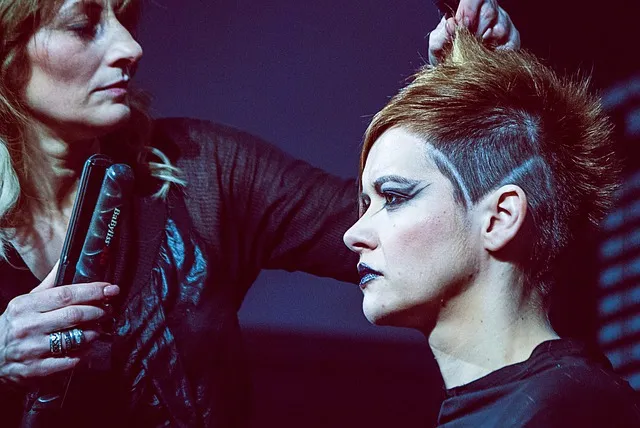

A salon appointment often begins before a single strand is touched. The client sits down, the stylist takes a look and a conversation starts. It may seem ordinary at first. There may be a few questions about length, colour or styling. There may be a photograph shown on a phone. There may even be a moment when neither person is quite sure how to describe what the client has in mind. Yet this conversation can be one of the most important parts of the entire appointment.
Hair is surprisingly difficult to describe in words. People often know how they want to feel about their hair long before they know how to explain what they want done to it. Someone may say they want it to look more modern when what they really mean is that their current style feels too formal. Another person may ask for more volume when what they actually want is movement around the face. Someone else may say they want a completely different haircut when what they are really looking for is a sense of freshness.
A professional hairdresser learns to listen beyond the obvious request. This does not mean trying to reinterpret everything a client says. It means giving the conversation enough space for the real intention to emerge. The stylist has technical knowledge, but the client knows what it feels like to live with their own hair every day. Both kinds of knowledge matter.
That balance is one of the more interesting parts of professional hairdressing. The stylist understands shape, proportion, texture and technique. The client understands their own habits, preferences and frustrations. When those two perspectives meet properly, the haircut becomes more than a technical exercise. It becomes a shared decision.
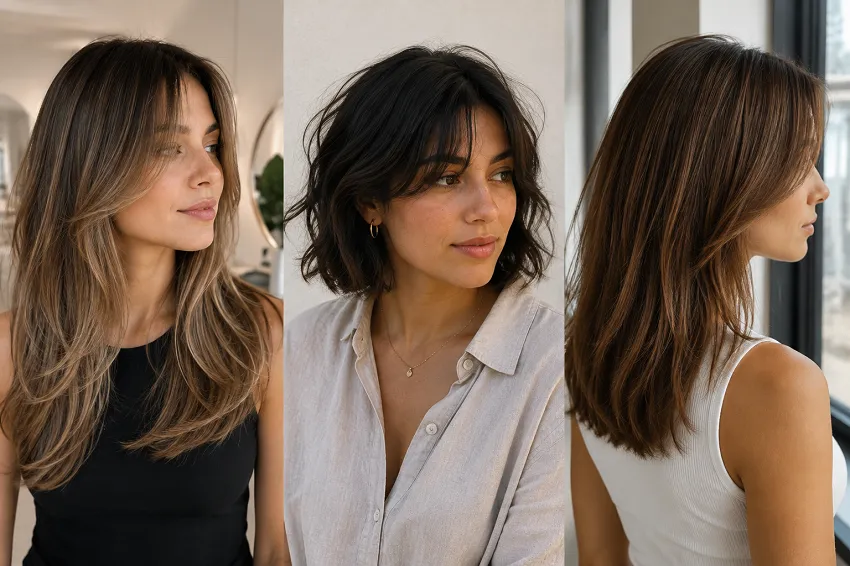
Photographs can be helpful, but they are rarely complete instructions. A reference image might show a beautiful shape, yet it cannot show how that haircut behaves on a different texture. It cannot explain how much styling was used to create the photograph. It cannot tell the stylist how much time the person in the image spends getting ready each morning. The photograph communicates an idea, but professional judgement has to translate that idea into something practical.
This is why experienced hair stylists often ask questions that appear unrelated to the haircut itself. How do you normally wear your hair? How often do you style it? Do you usually let it dry naturally? Do you enjoy spending time with it in the morning? What do you like about your current shape? What would you change if you could? These questions are not simply conversation fillers. They help create a picture of the person behind the hair.
There is also value in being honest during this process. A client does not need to pretend that they are willing to spend an hour styling their hair every morning if they know they will never do it. A stylist does not need to promise that every reference photograph can be reproduced exactly. The strongest salon relationships are built when both sides can speak openly about what is realistic.
That honesty can actually make a haircut feel more personal. Instead of chasing an image, the stylist can identify the qualities the client likes and find a way to bring those qualities into their own hair. The result may not look identical to the original reference, but it can feel more appropriate.
This is particularly important when hair has a strong natural character. Texture can influence almost every part of a haircut. Fine hair can behave differently from dense hair. Wavy hair can shift shape as it dries. Curly hair can expand and contract depending on how it is handled. Even apparently straight hair can have changes in direction that become noticeable once a new shape is introduced.
A skilled stylist does not need to fight those characteristics. They can work with them. That may mean changing the amount of weight removed, adjusting where a layer begins or allowing natural movement to become part of the finished shape. The conversation helps the stylist understand whether the client wants to emphasise those qualities or make them less noticeable.
The same principle applies to hair care. A routine should make sense in the context of the haircut and the person's life. Professional products can be extremely useful when they have a clear purpose, whether that is supporting softness, improving manageability, defining texture or helping with styling. But the right routine is rarely identical for everyone.
A good stylist can explain why a particular approach may suit one person better than another. They can also demonstrate how much product is actually needed and how it should be used. That kind of guidance can remove much of the uncertainty that surrounds hair care at home. Instead of buying products because they appear popular, people can begin to understand what their own hair responds to.
The conversation does not necessarily end when the haircut is complete. Sometimes the stylist will explain how the shape has been created or what will happen as it grows. They may mention how the hair can be styled differently or what kind of care will help maintain its condition. These small explanations can make the client feel more confident once they are back at home.
There is something valuable about that confidence. Good hairdressing should not leave someone feeling as though the finished result exists only because a professional is standing behind them. The salon should ideally give the client some understanding of how to work with their hair themselves.
This is where the relationship between stylist and client becomes different from a simple transaction. A haircut happens on a particular day, but the understanding created during the appointment can last much longer. The client learns something about their hair. The stylist learns something about the client. Future appointments become more informed because both sides have a better starting point.
Over time, that can make the salon experience feel remarkably intuitive. A stylist may remember that a client prefers movement rather than a rigid shape. They may know that the person dislikes spending too long styling their hair. They may understand that a previous length worked well or that a particular approach was less successful. Each appointment adds another layer of knowledge.
That continuity is one of the quiet strengths of professional hairdressing. It is not about creating exactly the same result every time. It is about understanding how the person and their hair are changing.
A good haircut can certainly make someone look different. But the best salon conversations often do something more subtle. They help someone articulate what they already know, but have never quite been able to put into words.
Sometimes that is all a stylist needs to create the right result.
The scissors still matter.
The technique still matters.
The products still matter.
But before any of those things can work properly, there has to be understanding.
And sometimes the most important part of a haircut is simply taking the time to have the right conversation first.
























Sign in to leave a comment.