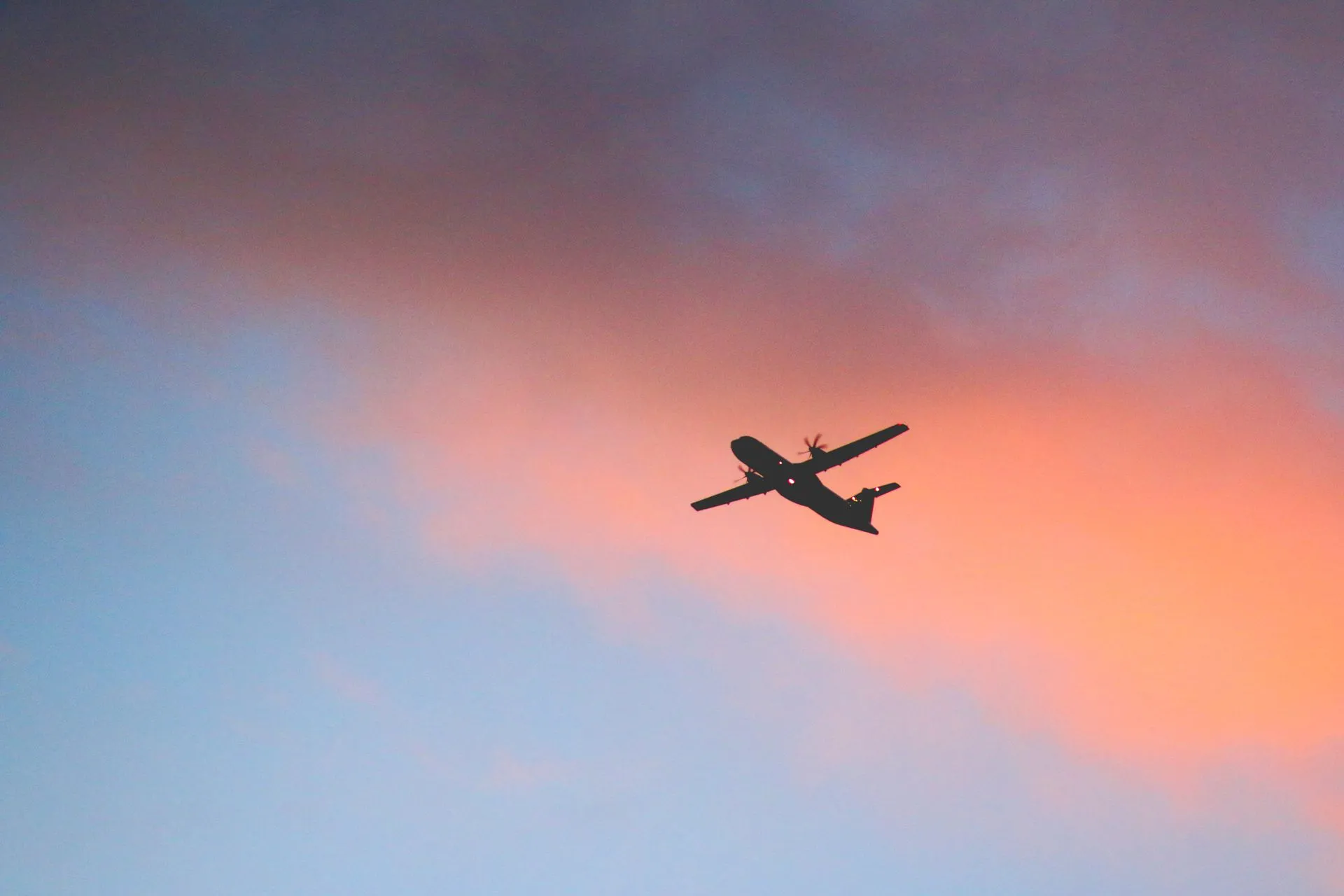

Every time an aircraft takes off, millions of passengers settle into their seats with varying degrees of confidence. Some travelers feel completely at ease, while others grip the armrests a bit tighter during takeoff and landing. What separates the nervous flyer from the calm one often comes down to understanding what actually keeps planes in the air and brings them safely back down. The truth is that modern aviation safety is not the result of chance or divine intervention, but rather decades of rigorous engineering, training protocols, and continuous improvement systems that leave virtually nothing to chance.
1. Redundancy Built Into Every System
Aircraft are designed with redundancy at every critical level, meaning that backup systems exist for nearly every important function. Modern commercial planes have multiple hydraulic systems, electrical systems, and navigation equipment so that if one fails, others can take over seamlessly. For example, a Boeing 747 has four separate hydraulic systems, and if three of them fail completely, the remaining system can still provide enough control for a safe landing. Most commercial aircraft also operate with at least two engines, and modern jets can fly safely on a single engine if necessary.
The engineering philosophy behind this redundancy is straightforward: critical systems should never depend on a single component. Pilots train extensively to handle scenarios where one or more systems fail, practicing these situations regularly in flight simulators before encountering them in actual aircraft. Airlines and manufacturers work together to identify which systems are most critical and ensure those receive the highest level of backup support. This layered approach means that a single failure, no matter how unlikely, will not compromise the aircraft's ability to operate safely.
2. Rigorous Maintenance and Inspection Protocols
Every commercial aircraft undergoes scheduled maintenance that is far more extensive than most people realize. These inspections happen at different intervals depending on flight hours and calendar time, ranging from daily checks before each flight to major overhauls every several years. Mechanics follow detailed checklists that ensure every component, from the smallest fastener to the largest structural element, is examined for signs of wear, corrosion, or damage. Airlines keep detailed maintenance logs for each aircraft, reviewed regularly to identify patterns that might indicate a developing problem.
Beyond routine maintenance, aircraft are subjected to highly detailed inspections at certain milestone intervals. A D-check, the most comprehensive inspection a commercial aircraft can undergo, involves virtually disassembling the entire plane to examine structural integrity, corrosion, and component wear. Aviation technicians who need to verify the precision of their instruments during these intensive inspection processes often search for “calibration services near me” to ensure every measuring tool meets the exacting tolerances required before a single reading is trusted. Regulatory agencies such as the Federal Aviation Administration set these maintenance requirements and conduct surprise inspections to verify that airlines are following procedures, catching problems long before they could affect flight safety.
3. Continuous Data Analysis and Improvement
Modern aircraft generate enormous amounts of data during every flight, with hundreds of sensors monitoring engine performance, structural stress, hydraulic pressure, and countless other variables. This data is downloaded and analyzed by airlines and manufacturers after each flight, looking for any deviations from normal parameters that might indicate an emerging issue. If a particular aircraft begins showing unusual patterns, maintenance can be scheduled to investigate before any safety concern develops. This predictive approach allows airlines to address problems during planned downtime rather than waiting for unexpected failures.
The aviation industry also learns collectively from incidents and near-misses through a structured system of reporting and analysis. When something unusual happens, airlines and regulatory agencies investigate thoroughly and share findings across the industry, meaning a problem discovered by one operator can inform safety improvements at all others worldwide. Over time, this constant feedback loop has led to continuous refinement of aircraft design, maintenance procedures, and operational protocols. The industry proactively identifies and addresses potential hazards rather than waiting for accidents to occur.
4. Pilot Training and Certification Standards
Commercial pilots undergo extensive training that far exceeds what is required to operate most other vehicles. Before flying commercial passengers, a pilot must accumulate thousands of flight hours, pass written examinations on aerodynamics and aircraft systems, and demonstrate proficiency in both normal operations and emergency procedures. This training progresses from classroom and simulator environments to supervised instruction and finally a rigorous certification process. Every few years, pilots must recertify and demonstrate continued proficiency through checkrides with FAA examiners.
Pilot training includes extensive practice in emergency scenarios that pilots hope they will never encounter in real life. Simulator sessions regularly place pilots in situations involving engine failures, hydraulic malfunctions, and navigation system outages. By practicing these scenarios repeatedly, pilots develop the muscle memory and decision-making skills needed to respond effectively during a real emergency. Airlines also conduct regular proficiency checks and recurrent training to ensure that pilots maintain their skills throughout their careers.
5. Regulatory Oversight and Safety Culture
Aviation operates under one of the most comprehensive regulatory frameworks of any industry. The Federal Aviation Administration and equivalent agencies in other countries set detailed standards for aircraft design, maintenance, pilot training, and operational procedures, and they conduct inspections, review incident reports, and continuously update regulations to reflect new safety information. Airlines must comply with these standards, and failure to do so can result in significant fines, loss of operating certificates, or criminal penalties. This combination of rules and enforcement makes safety compliance non-negotiable.
Beyond regulatory requirements, the aviation industry has developed a strong safety culture where accident prevention is genuinely prioritized. Safety performance is a key metric for evaluating airline operations, and employees are encouraged and often required to report safety concerns without fear of retaliation. This open communication means that problems are identified and addressed quickly rather than concealed. The industry recognizes that safety is both a fundamental responsibility to passengers and a core element of sound operations.
Conclusion
Flying has become remarkably safe because the aviation industry has built multiple layers of protection into every aspect of aircraft design, maintenance, and operation. Redundant systems ensure that equipment failures do not compromise safety, rigorous maintenance protocols catch problems before they develop, and continuous data analysis identifies emerging issues proactively. Highly trained pilots are prepared to handle virtually any situation they might encounter, while comprehensive regulatory oversight ensures that airlines and manufacturers maintain the highest standards. The next time you board an aircraft, you can take comfort knowing that your safety is the result of decades of engineering excellence, professional dedication, and systematic safety practices.


























Sign in to leave a comment.