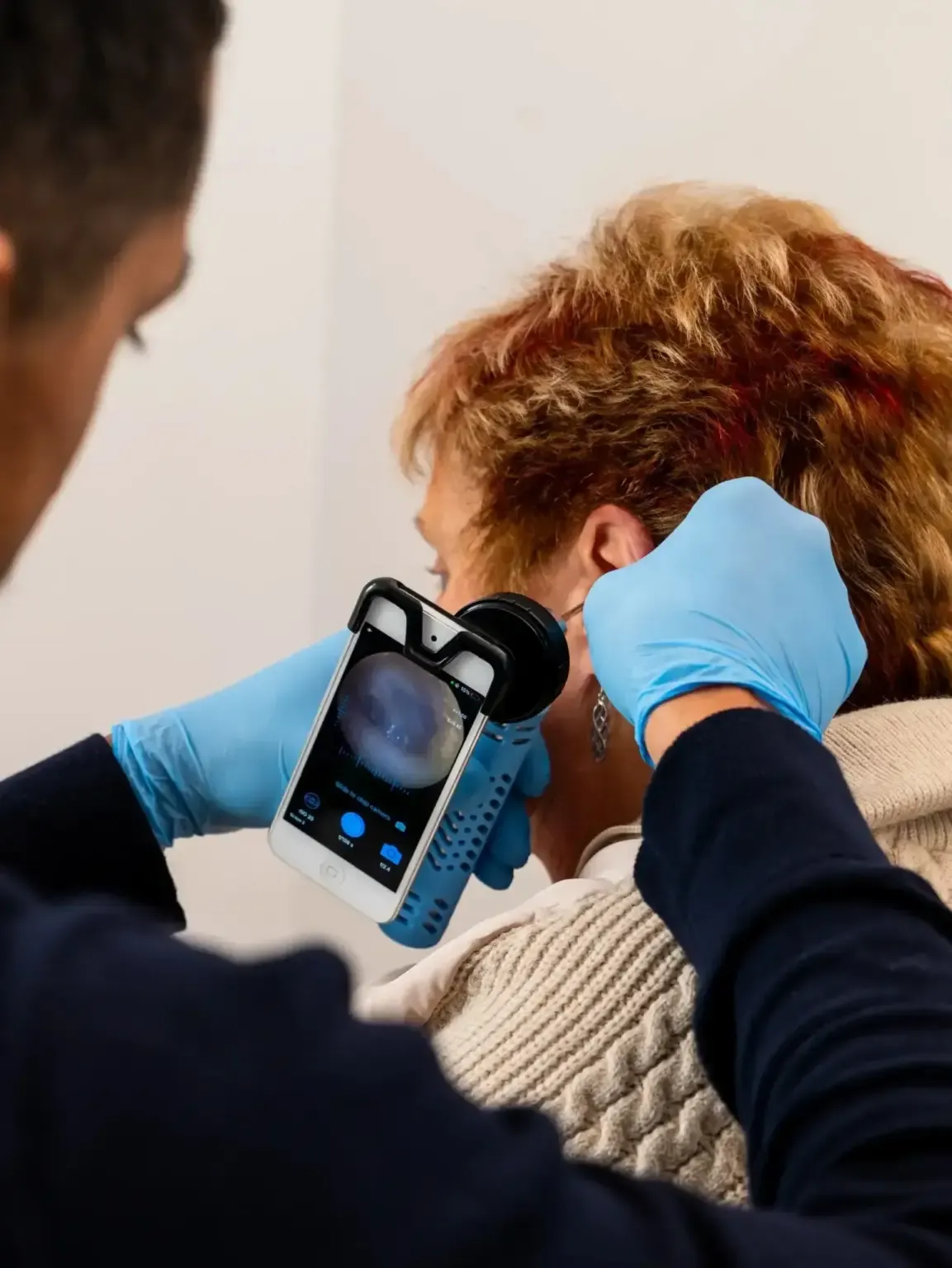

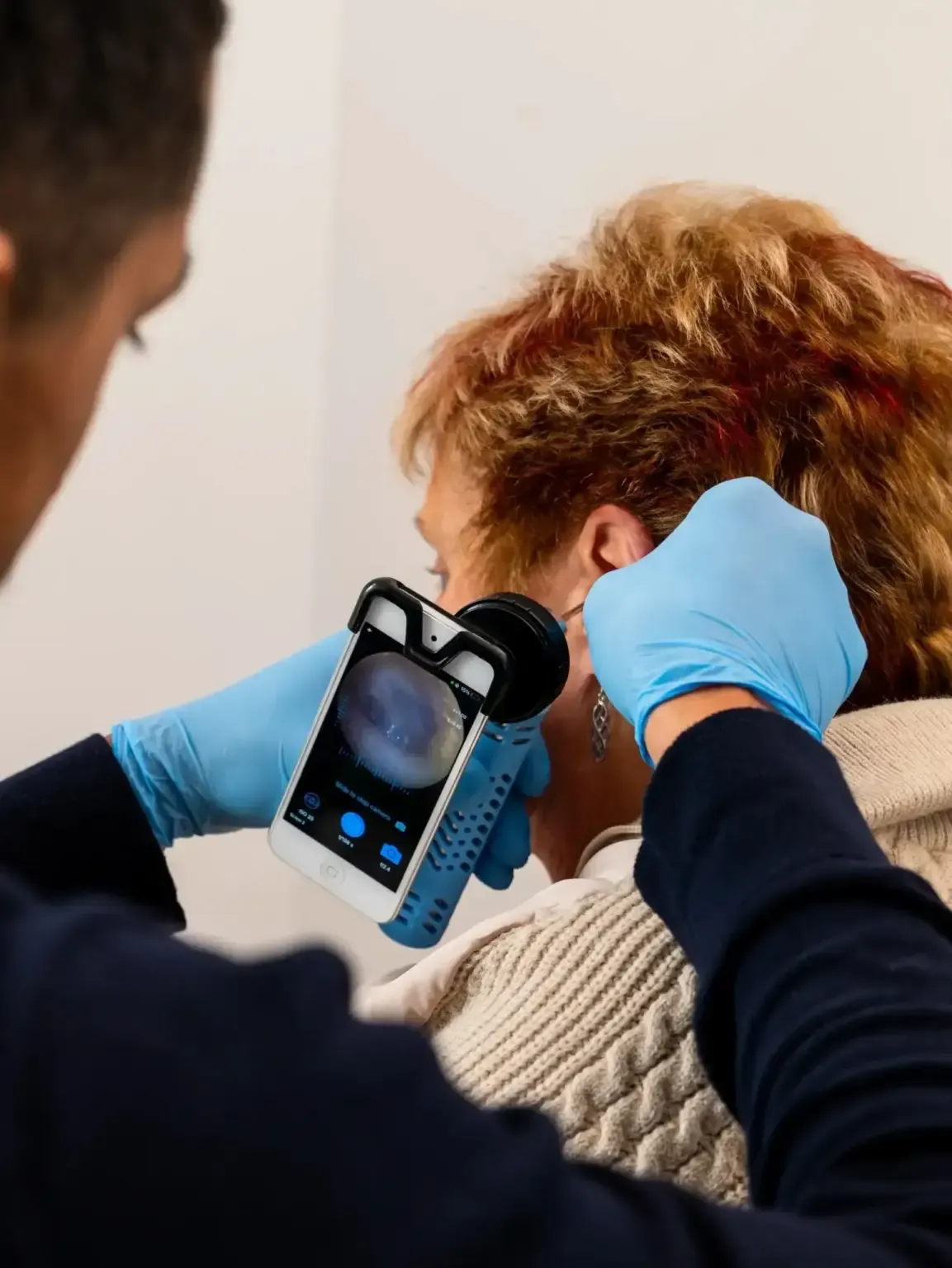
There is no fixed schedule for earwax removal. Earwax is a natural part of healthy ears, and in most cases, your ears clean themselves without any help. Many people never need professional earwax removal.
However, some people are more likely to experience earwax build-up. Older adults, hearing aid users, people with narrow ear canals, and those who naturally produce more wax may need regular ear checks. Depending on your individual needs, professional earwax removal may sometimes be recommended every six to twelve months.
Most people do not think about earwax until it starts causing a problem. It is easy to assume that regular ear cleaning is necessary for good ear health, but excessive cleaning can actually irritate the ear and interfere with its natural cleaning process.
Earwax, also known as cerumen, protects the ear canal and helps keep it healthy. The ear normally moves old wax towards the opening of the ear, where it eventually leaves naturally.
So, how often should you clean your ears? This guide explains how earwax works, who may need more frequent removal, the signs of excessive build-up, and safe ways to look after your ears.
Read Blog: How Often Should You Clean Your Ears? A Guide to Earwax Removal Frequency
Why Is Earwax Important?
Earwax is not simply something that needs to be removed. It has several important functions that support healthy ears.
Earwax helps to:
- Trap dust, dirt, and other particles.
- Protect the ear canal from bacteria and fungi.
- Keep the skin inside the ear canal lubricated.
- Support the ear's natural self-cleaning process.
As you talk, chew, and move your jaw, earwax gradually moves towards the opening of the ear canal. It then dries and leaves the ear naturally.
This natural process is why most people do not need routine professional ear cleaning.
Who May Need More Frequent Earwax Removal?
Some people are more likely to develop recurring earwax build-up. Regular checks can help identify problems before they significantly affect hearing or comfort.
1. Hearing Aid Users
Hearing aids can interfere with the ear's natural wax clearance process. This can increase the risk of wax becoming impacted.
Wax can also affect hearing aid components and reduce their performance. Regular ear examinations can therefore help support both ear health and hearing aid function.
If you use hearing aids, your clinician can advise how frequently your ears should be checked.
2. Older Adults
Earwax can become harder and drier with age. As a result, it may become more difficult for the ears to move wax out naturally.
Older adults may therefore be more prone to wax blockage and related hearing difficulties. Regular ear health checks can help identify build-up early.
3. People With Narrow Ear Canals
The shape and size of the ear canal vary between individuals. Some people naturally have narrower canals, which can make it harder for wax to move towards the ear opening.
This can allow even normal amounts of wax to become trapped and gradually build up.
4. People Who Naturally Produce More Wax
Some people simply produce more earwax than others. If you regularly experience blocked ears or have needed professional wax removal in the past, periodic ear checks may help manage recurring build-up.
The appropriate frequency will depend on how quickly the wax returns and your individual ear health.
5. Frequent Earbud or In-Ear Headphone Users
Regular use of earbuds or in-ear headphones can interfere with the natural movement of wax and may push existing wax deeper into the ear canal.
Earbuds do not necessarily cause the body to produce more wax, but frequent use can make it harder for wax to leave the ear naturally.
What Are the Signs You May Need Professional Earwax Removal?
Earwax does not always cause noticeable symptoms. However, excessive build-up can block the ear canal and affect hearing or comfort.
Signs that you may have problematic earwax include:
- A blocked or plugged sensation.
- Reduced or muffled hearing.
- Ringing or buzzing in the ears.
- Pressure or discomfort.
- Dizziness or balance problems.
- Difficulty hearing conversations.
- Problems with hearing aid performance.
These symptoms can also have other causes, so it is important not to automatically assume that earwax is responsible.
Can Overcleaning Damage Your Ears?
Yes. Cleaning your ears too frequently can disrupt the natural protective function of earwax.
Overcleaning may:
- Irritate the ear canal.
- Cause dryness and itching.
- Increase the risk of irritation or infection.
- Interfere with the ear's natural wax-clearing process.
Cotton buds can be particularly problematic. Instead of removing wax, they may push it further into the ear canal. This can contribute to impaction and may increase the risk of injury.
For this reason, avoid putting cotton buds, ear picks, hairpins, or other objects inside the ear canal.
The outer part of the ear can be gently cleaned as part of your normal hygiene routine, but there is usually no need to insert anything into the ear canal.
What Are the Safest Methods of Earwax Removal?
The most appropriate removal method depends on your ear health, medical history, and the amount and condition of the wax.
A trained professional should assess the ear before treatment, particularly if you have symptoms or recurring problems.
Depending on the assessment, professional removal may involve methods such as microsuction or ear irrigation.
Microsuction
Microsuction uses a controlled suction device to remove earwax while the clinician views the ear canal using magnification equipment such as a microscope or endoscope.
The procedure does not require water and allows the clinician to see the ear canal during removal.
Ear Irrigation
Ear irrigation uses a controlled flow of warm water to soften and flush wax from the ear canal.
It can be an effective option for many people when performed by a trained professional following an appropriate ear examination. However, it is not suitable for everyone.
Why Professional Earwax Removal Can Be Helpful
Professional earwax removal is about more than simply taking wax out of the ear.
An appropriate assessment can help:
- Identify what may be causing your symptoms.
- Determine whether earwax is actually the problem.
- Select an appropriate removal method.
- Reduce the risk of unnecessary irritation or injury.
- Identify other ear problems that may require separate treatment.
- Provide advice based on your individual ear health.
Hearing loss, discomfort, tinnitus, and other symptoms can have several possible causes. A professional assessment can help determine whether earwax is responsible before treatment is carried out.
How Does Direct Ear Care Provide Safe and Effective Earwax Removal?
Direct Ear Care provides professional earwax removal alongside hearing and ear care services, with treatment tailored to each individual's needs.
The approach includes:
- Thorough ear examinations: Your ears are assessed to help identify the likely cause of your symptoms before treatment is recommended.
- Personalised care: Your symptoms, ear health history, and examination findings help guide the treatment plan.
- Flexible appointments: Clinic appointments and mobile earwax removal options are available for added convenience.
- Clinical-grade equipment: Appropriate equipment supports detailed examination and precise treatment.
- Patient wellbeing: Treatments are carried out by HCPC-registered audiologists with a focus on comfort, safety, and long-term ear health.
Rather than focusing only on removing wax, Direct Ear Care aims to understand your symptoms and recommend appropriate care based on your individual needs.
Conclusion
There is no fixed rule for how often you should clean your ears. For most people, the ears naturally remove excess wax without routine cleaning.
Some people, including hearing aid users, older adults, people with narrow ear canals, and those who regularly experience wax build-up, may benefit from periodic ear checks.
The most important factor is not how often you clean your ears but whether you have symptoms that could indicate problematic earwax.
If you experience blocked ears, reduced hearing, tinnitus, pressure, or discomfort, a professional ear examination can help determine whether earwax is the cause and whether removal is necessary.






























Sign in to leave a comment.