

Blood cancers often develop silently, with symptoms that may look similar to common health problems such as fatigue, fever, weakness, or unexplained weight loss. Because of this, early diagnosis becomes significant. Advanced haematology testing now plays a major role in identifying blood-related cancers at an early stage, helping you receive timely treatment and better medical outcomes.
Understanding Haematology and Blood Cancer
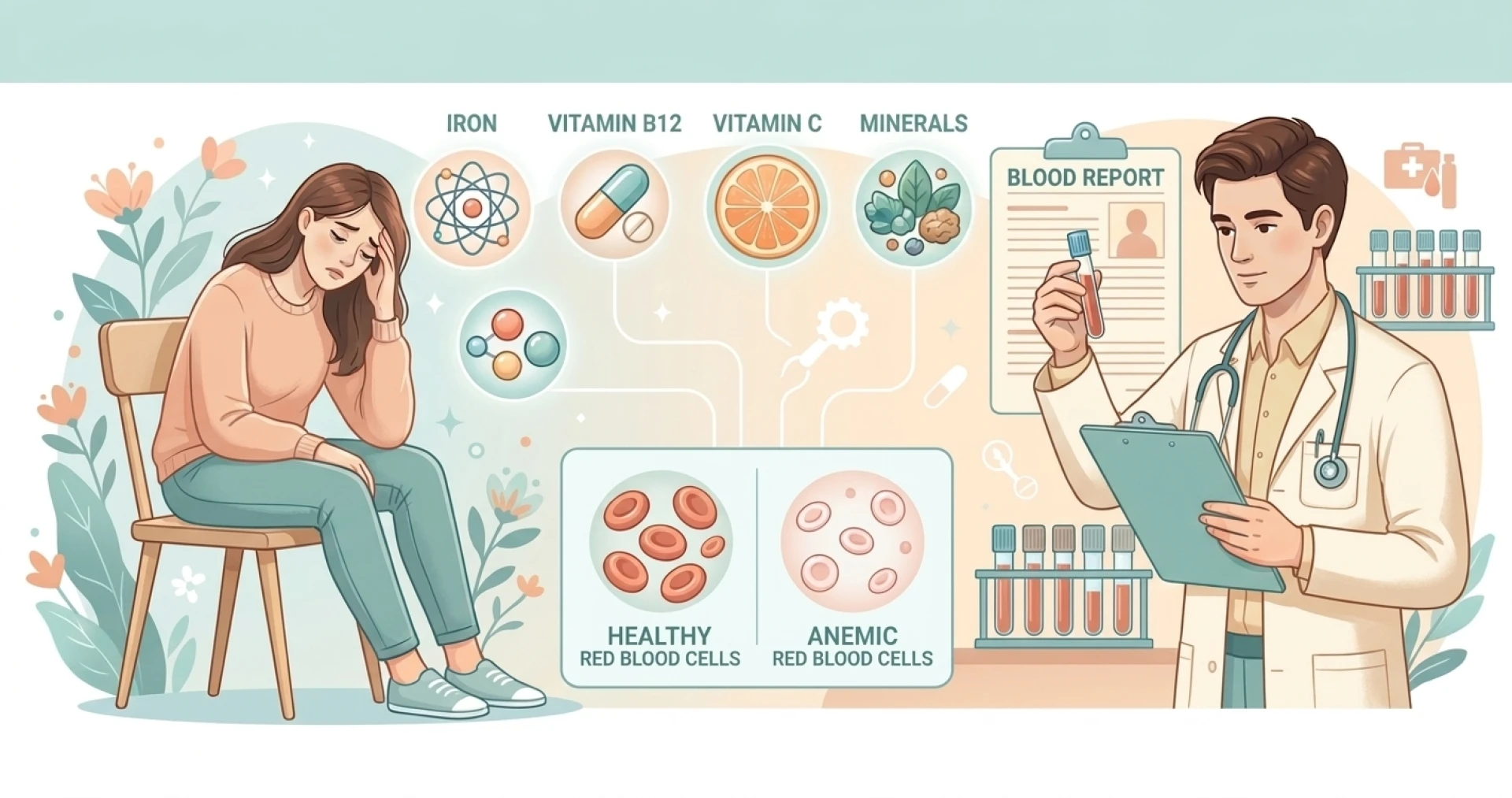
Haematology is the branch of medicine that studies blood, bone marrow, and blood-forming tissues. It focuses on detecting abnormalities in red blood cells, white blood cells, platelets, and clotting mechanisms. Blood cancers such as leukaemia, lymphoma, and myeloma directly affect these systems.
Modern diagnostic technologies allow doctors to identify even small changes in blood composition. Unlike traditional methods that relied mainly on symptoms, advanced haematology testing provides deeper insights into how blood cells behave and whether abnormal growth is present.
How Advanced Haematology Testing Works
Today’s laboratory testing methods combine automation, molecular diagnostics, and genetic analysis to improve detection accuracy. A detailed haematology test in Dubai may include complete blood count analysis, peripheral smear examination, flow cytometry, bone marrow studies, and genetic screening.
These tests help doctors identify abnormal cell patterns, immature blood cells, or genetic mutations linked to cancer development. In many cases, abnormalities are detected before symptoms become severe. This early identification increases the chances of successful treatment and helps doctors design personalized treatment plans.
Advanced blood analysis can also help distinguish between temporary infections and serious blood disorders, reducing the risk of delayed diagnosis.
Importance of Routine Blood Monitoring
Regular health monitoring is one of the most effective ways to identify hidden diseases early. Many blood cancers progress gradually, and subtle warning signs may only appear in laboratory reports. A routine blood check up in Dubai can help track important health indicators and reveal unusual blood cell activity that requires further evaluation.
For example, consistently low platelet counts, elevated white blood cell levels, or unexplained anaemia may indicate the need for specialized haematology investigations. Doctors often recommend periodic testing for individuals with family history, weakened immunity, or long-term exposure to environmental risks.
Routine blood testing also helps monitor treatment response in patients already diagnosed with blood disorders. Continuous tracking allows doctors to adjust medications and therapies more effectively.
The Role of Genetic and Molecular Screening
Modern haematology has advanced far beyond standard blood testing. Genetic and molecular diagnostics now help identify mutations associated with specific blood cancers. These tests allow doctors to predict disease progression and choose targeted therapies that are more effective and less invasive.
Molecular testing can detect cancer-related changes at a very early stage, sometimes even before visible symptoms develop. This precision-based approach improves survival rates and reduces unnecessary treatments. In many healthcare settings, specialized diagnostic programs and cancer marker screening in Dubai are becoming increasingly important for identifying high-risk individuals.
These screenings are especially useful for patients with inherited risk factors or recurring abnormal blood reports.
Why Early Detection Matters
Early diagnosis significantly improves treatment success in blood cancer cases. When detected in the initial stages, many blood cancers can be managed with targeted therapy, immunotherapy, or controlled chemotherapy plans before the disease spreads aggressively.
Delayed diagnosis often leads to complications involving the bone marrow, immune system, and vital organs. Advanced haematology testing reduces this risk by offering faster and more accurate diagnostic information.
You should never ignore persistent fatigue, unusual bruising, recurring infections, or unexplained bleeding. Combined with regular medical evaluations, advanced blood testing can provide critical answers and guide doctors toward early intervention.
Conclusion
Advanced haematology testing has transformed the way blood cancers are detected and monitored. With modern diagnostic tools, doctors can identify abnormalities earlier, improve treatment planning, and provide more personalized care. Regular screenings and timely laboratory evaluations give you a better chance of detecting serious conditions before they progress. Choosing reliable diagnostic services for cancer marker screening Dubai can support proactive healthcare and help protect your long-term well-being.






















Sign in to leave a comment.