

Sports infrastructure plays an important role in supporting athletes, encouraging physical activity, and hosting sporting events. From stadiums and swimming pools to running tracks and indoor courts, every sports facility requires strong, reliable, and long-lasting construction. Today, advanced materials are transforming how these facilities are designed and built, making them more durable, safe, and sustainable.
1. Stronger and More Durable Construction Materials
Traditional construction materials such as concrete and steel remain essential for sports infrastructure. However, advanced materials like fibre-reinforced concrete, high-performance steel, and composite materials offer improved strength and resistance to environmental damage. These materials can withstand heavy loads, regular use, and changing weather conditions, helping sports facilities maintain their structural integrity for years.
2. Improved Safety and Athlete Performance
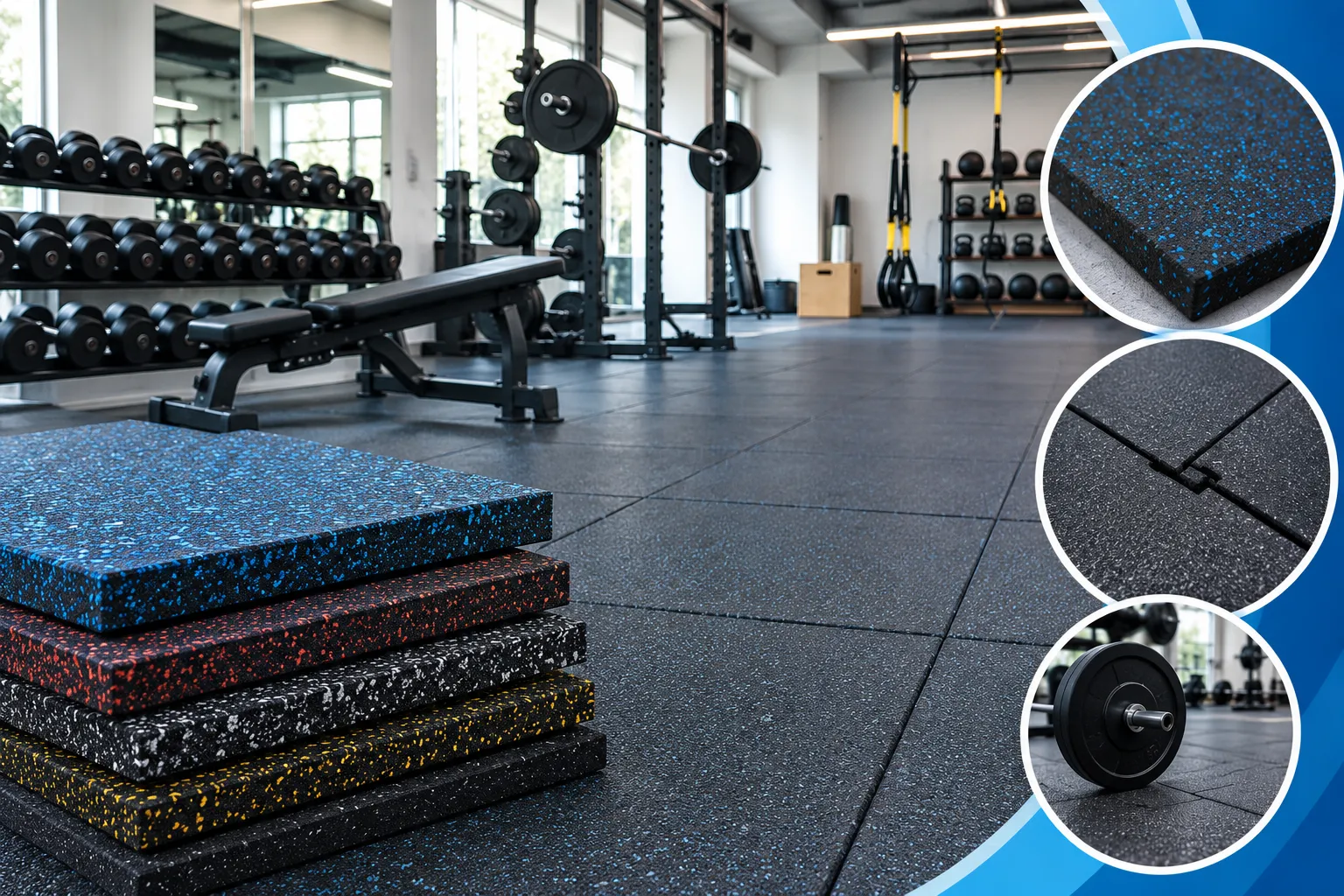
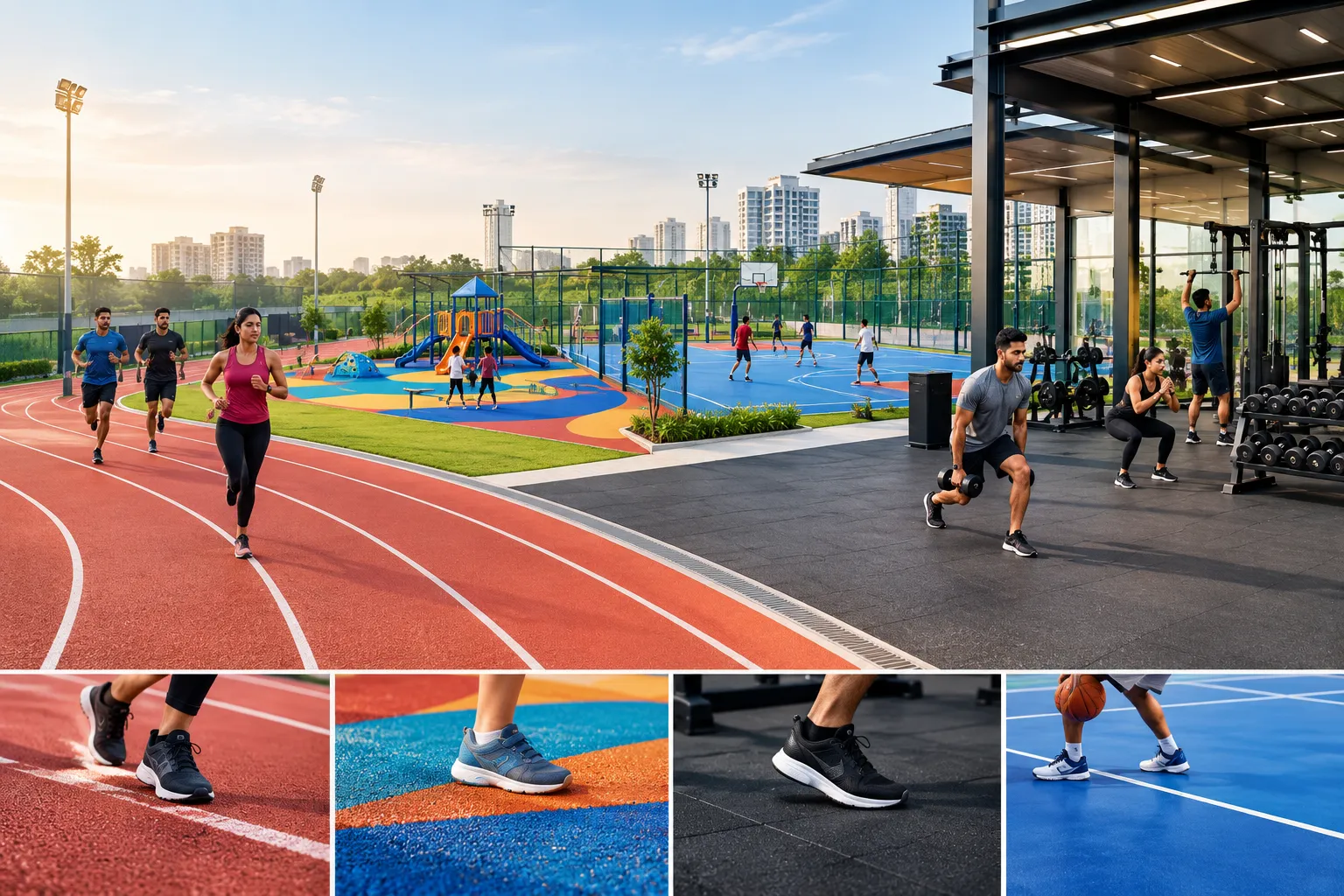
Safety is a major consideration in sports facility construction. Advanced synthetic surfaces, shock-absorbing flooring, and specialised rubber materials help reduce impact on athletes' joints and minimise injury risks. Modern running tracks, artificial turf, and indoor sports flooring are designed to provide better grip, flexibility, and consistent performance. These innovations create safer playing environments for professional athletes and recreational users.
3. Weather Resistance and Longer Lifespan
Outdoor sports facilities are constantly exposed to sunlight, rain, humidity, and temperature changes. Advanced materials such as UV-resistant polymers, corrosion-resistant metals, and weatherproof coatings protect infrastructure from premature deterioration. For example, specialised coatings can prevent rust in metal structures, while high-quality synthetic surfaces maintain their performance despite frequent exposure to outdoor conditions.
4. Sustainable and Energy-Efficient Infrastructure
Sustainability is becoming increasingly important in modern sports construction. Recycled rubber, eco-friendly composites, and low-carbon concrete help reduce the environmental impact of building projects. Additionally, advanced insulation materials and energy-efficient roofing systems can improve temperature control and reduce energy consumption in indoor sports facilities.
5. Reduced Maintenance and Long-Term Cost Savings
Although advanced materials may involve higher initial investment, their durability can significantly reduce long-term maintenance expenses. Materials that resist cracking, corrosion, moisture, and surface damage require fewer repairs and replacements. This helps facility owners manage operational costs while maintaining high-quality sports environments.
Conclusion
Advanced materials are shaping the future of sports infrastructure by improving durability, safety, sustainability, and overall performance. Investing in innovative construction materials allows developers to create reliable sports facilities that serve athletes and communities for generations. As material technology continues to evolve, durable and sustainable sports infrastructure will become an essential part of modern sports development.




















Sign in to leave a comment.