

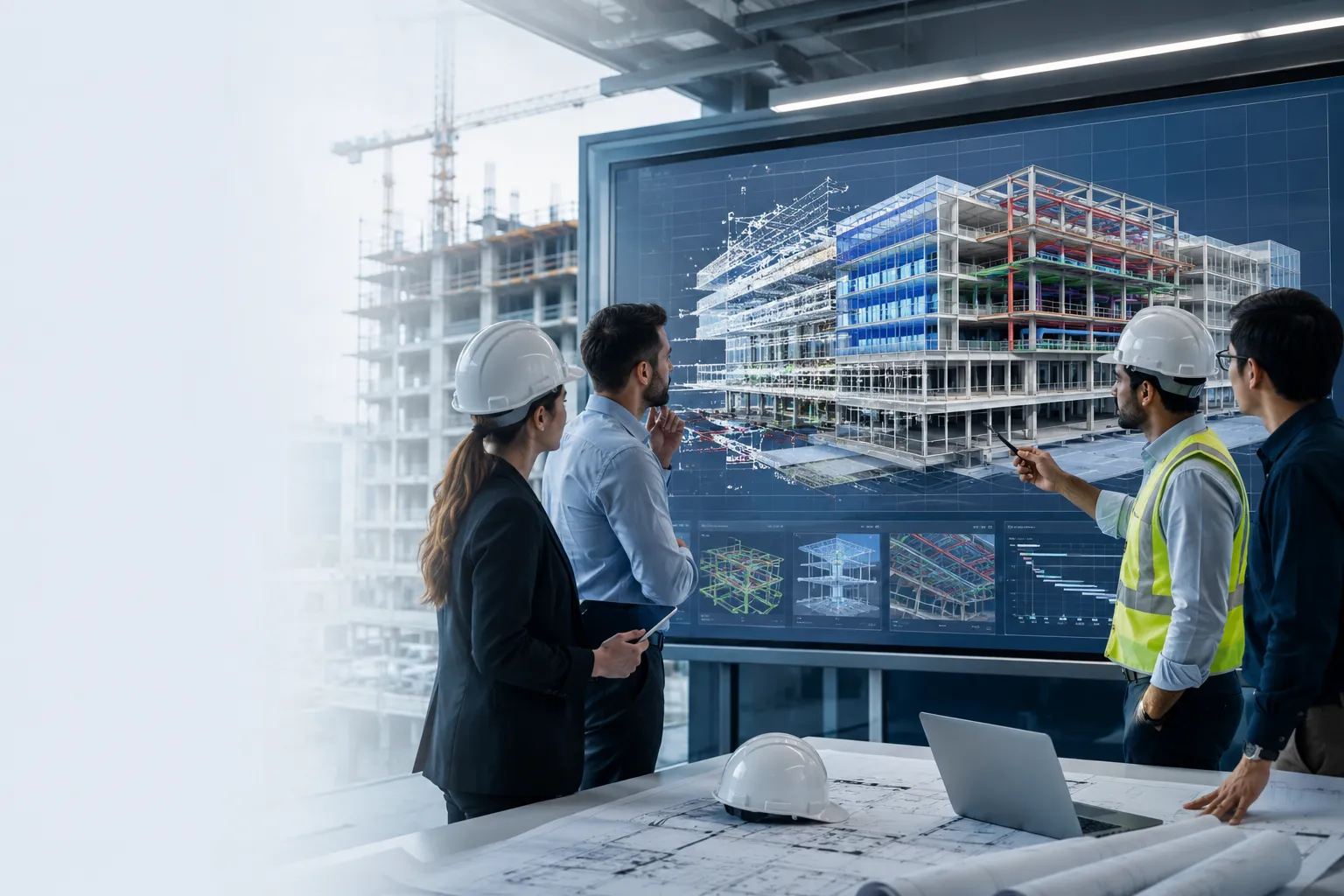
Modern construction projects require accurate information, better coordination, and efficient communication between multiple teams. Building Information Modeling (BIM) provides a digital environment where architects, engineers, contractors, and owners can work with coordinated building information.
Improving Project Coordination
Traditional drawings can contain disconnected information, making it difficult to identify design conflicts between different disciplines. BIM brings building elements together within a coordinated digital model, helping teams review designs and detect potential issues before construction begins.
This approach can reduce unnecessary revisions and improve communication throughout the project lifecycle.
Creating Accurate Existing-Condition Models
Renovation projects can be challenging when existing drawings are incomplete or outdated. Laser scanning provides detailed information about an existing structure, while BIM can transform this captured data into a usable digital model.
Scan to BIM Services help project teams create detailed representations of existing buildings. These models can support renovation planning, space analysis, documentation, and future modifications.
Enhancing Architectural Design
Architectural projects involve many interconnected elements, including walls, doors, windows, ceilings, rooms, finishes, and circulation spaces. Managing these components through separate drawings can increase the possibility of inconsistencies.
Architectural BIM Services help organize architectural elements within a coordinated 3D environment. Designers can visualize spaces more clearly, review design alternatives, and produce more consistent project documentation.
Identifying Problems Earlier
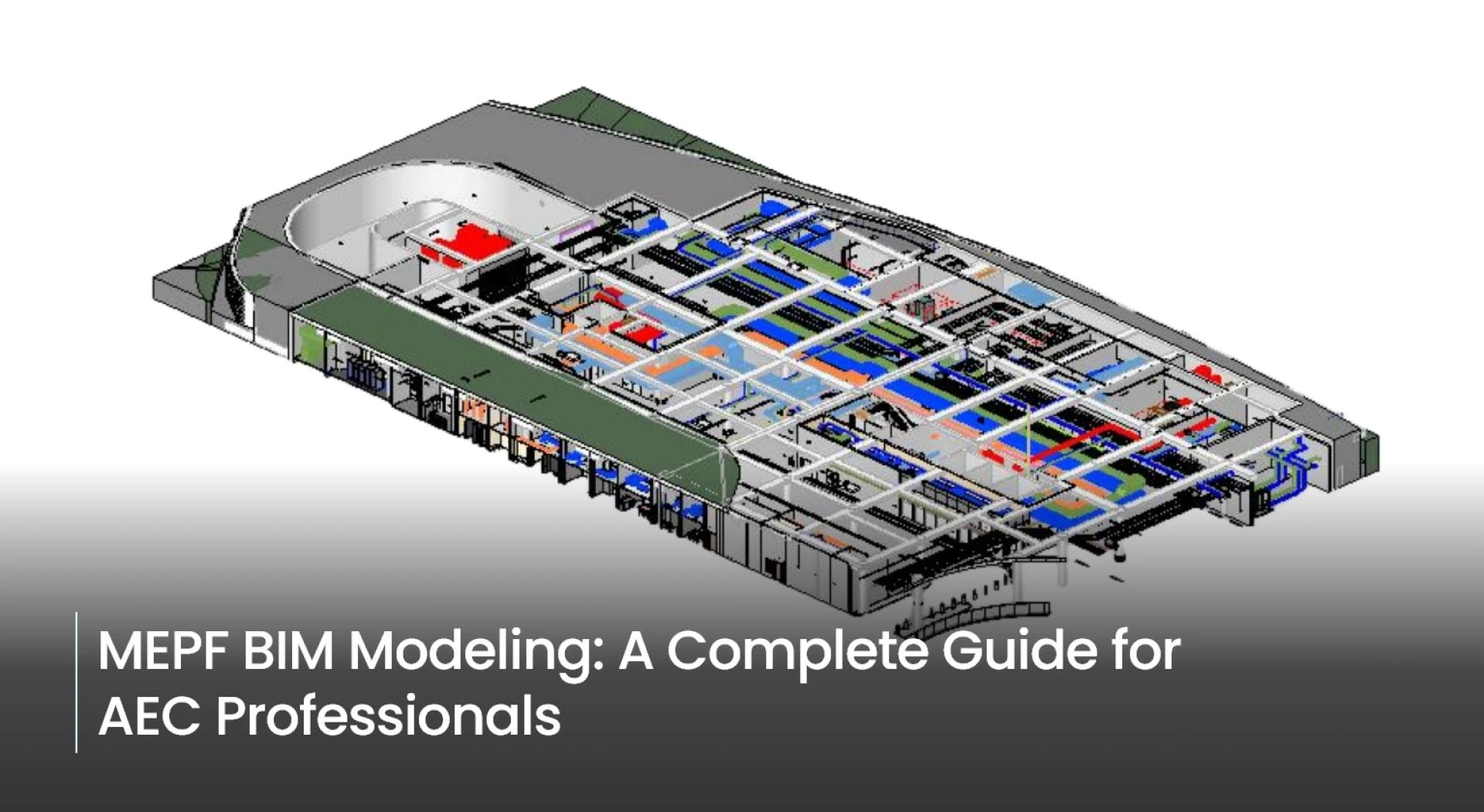
BIM allows project teams to examine how different building components interact. Potential conflicts can be identified digitally before they become construction-site problems.
For example, architectural layouts can be reviewed alongside structural and building-service requirements to identify areas that may require adjustment.
Supporting Construction Efficiency
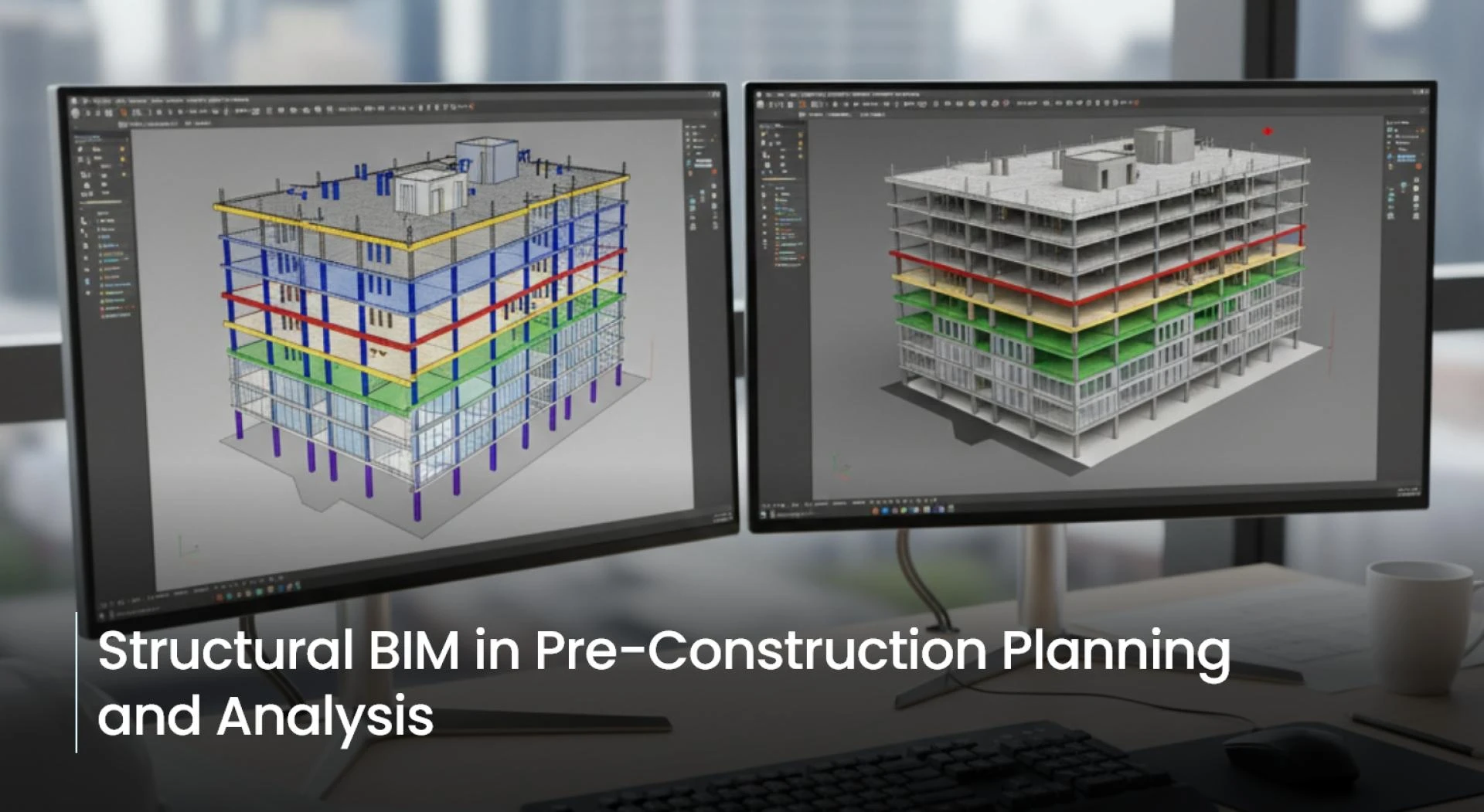
A coordinated BIM model can provide useful information for construction planning, quantity assessment, scheduling, and project coordination. Teams can use the model to understand project requirements and make informed decisions during different stages of construction.
The accuracy of these benefits depends on maintaining reliable and updated model information.
Conclusion
BIM has become an important part of modern building workflows because it improves coordination, visualization, documentation, and project planning. From existing-building documentation to architectural design development, BIM provides project teams with a more connected approach to managing building information.






















Sign in to leave a comment.