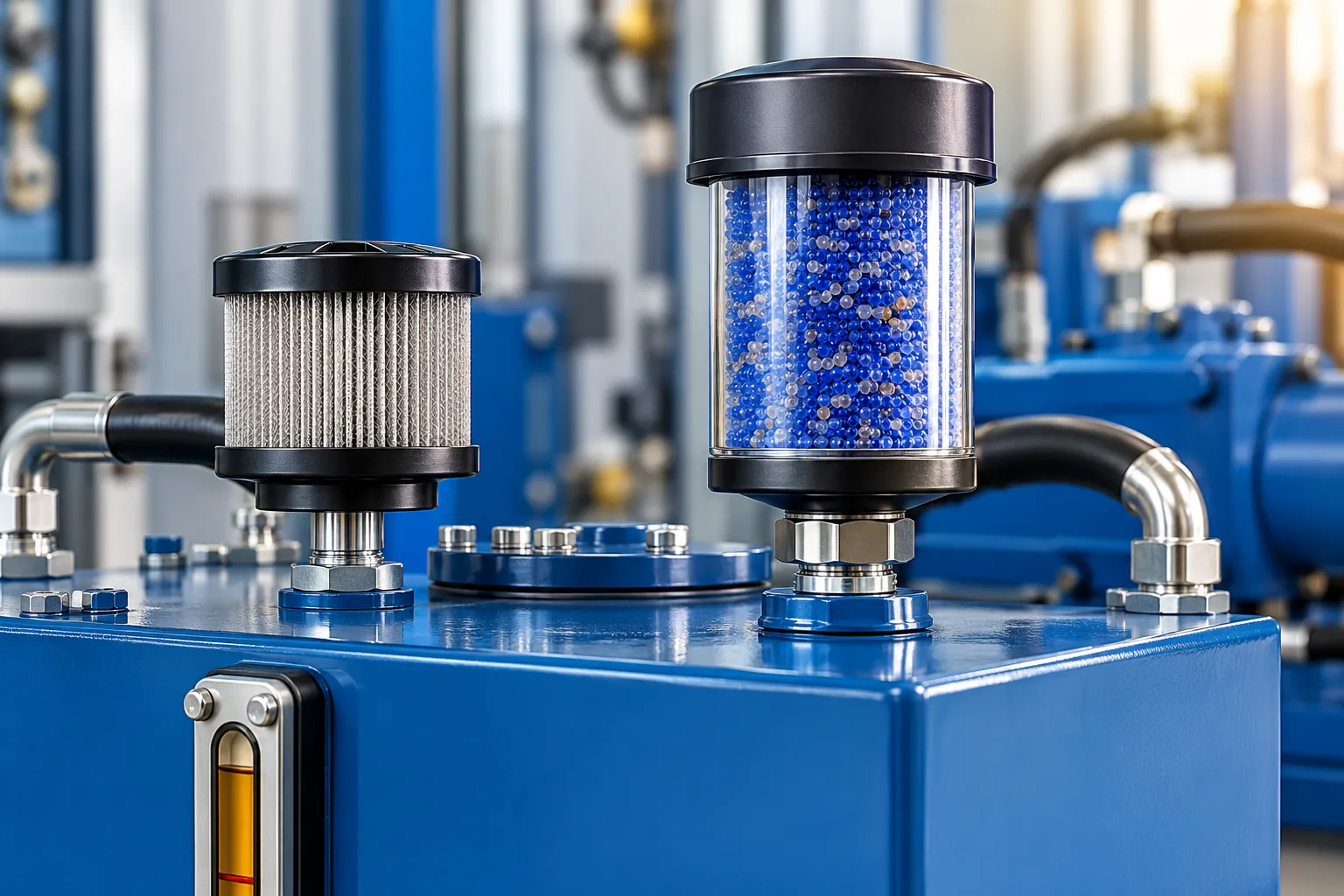


Hydraulic systems depend on clean and properly maintained fluid to deliver consistent performance. From manufacturing equipment and mobile machinery to industrial power units, hydraulic components operate under demanding conditions. While pumps, valves, cylinders, and actuators receive considerable attention during maintenance, the hydraulic reservoir also plays an important role in protecting the overall system.
A reservoir stores hydraulic fluid and allows heat dissipation, air separation, and settling of larger contaminants. However, it also needs to breathe as the fluid level changes during operation. Every time air enters the reservoir, it can potentially carry moisture, dust, and other airborne contaminants. Managing this air exchange is therefore an important part of hydraulic fluid cleanliness.
Understanding Hydraulic Reservoir Breathing
Hydraulic fluid expands, contracts, and moves in and out of the reservoir as the system operates. When fluid is drawn from the tank, the resulting change in volume must be balanced by air entering the reservoir. Similarly, when fluid returns and the level rises, air needs to leave.
If incoming air is not adequately controlled, contaminants can enter the reservoir. Moisture is particularly concerning because it can affect hydraulic oil properties and contribute to corrosion, oxidation, and other forms of degradation.
A properly designed air filtration arrangement helps control these risks. It allows the reservoir to breathe while reducing the amount of unwanted material entering the system.
How a Desiccant Filter Helps Control Moisture
Moisture in hydraulic systems can originate from humid surrounding air, condensation, temperature changes, or other operating conditions. Even relatively small amounts of water can create problems when hydraulic equipment operates continuously.
A desiccant filter uses moisture-absorbing material to reduce the amount of humidity entering the reservoir through the breathing process. As air passes through the filtration media, moisture is captured before the air reaches the hydraulic fluid.
This approach is particularly useful for equipment operating in humid environments or applications where maintaining hydraulic oil quality is critical. Reducing moisture exposure can help support longer fluid service life and reduce the risk of corrosion affecting internal components.
The Importance of a Breather Filter
A breather filter provides controlled air exchange between the hydraulic reservoir and the surrounding environment. Its primary purpose is to prevent airborne contaminants from entering the tank while allowing the reservoir to breathe as fluid levels change.
Dust, dirt, and fine particles can enter through uncontrolled air movement. Once inside the reservoir, these contaminants may circulate through the hydraulic circuit and contribute to wear in sensitive components.
Using a suitable breather filter helps establish a cleaner path for air entering and leaving the reservoir. The filtration efficiency, airflow capacity, physical size, and connection arrangement should be considered according to the equipment and operating conditions.
Why Moisture and Particle Control Work Together
Moisture and particulate contamination are different forms of contamination, but both can affect hydraulic system reliability. Controlling only one source may leave another route open for contamination.
For example, a hydraulic system operating in a dusty environment may require effective particulate filtration at the reservoir. If the same equipment is exposed to high humidity, moisture control becomes equally important.
Combining appropriate air filtration and moisture management provides a more complete approach to reservoir protection. This can help maintain cleaner hydraulic fluid and create better operating conditions for pumps, valves, actuators, and other components.
Selecting the Right Filtration Solution
The correct filtration arrangement depends on several factors. Reservoir capacity, hydraulic fluid type, operating environment, temperature, airflow requirements, and equipment duty cycle can all influence the selection.
The size of the reservoir should be considered because larger tanks may require greater airflow capacity during fluid level changes. Similarly, equipment operating outdoors or in harsh industrial environments may require stronger protection against dust and humidity.
Maintenance requirements should also be considered. Filtration media gradually becomes less effective as it collects contaminants or absorbs moisture. Establishing suitable inspection and replacement intervals helps maintain consistent protection.
Manufacturers should also consider the physical connection, mounting arrangement, pressure drop, and compatibility of filtration materials with the intended application.
Impact on Hydraulic Component Life
Hydraulic components often operate with small internal clearances. Pumps, proportional valves, servo valves, and other precision components can be particularly sensitive to contamination.
When airborne contaminants repeatedly enter through the reservoir, the resulting particles can circulate through the hydraulic circuit. Over time, this may contribute to component wear, increased friction, sticking valves, and reduced system efficiency.
Moisture can create additional challenges by encouraging corrosion and accelerating fluid degradation. Keeping the reservoir environment cleaner can therefore contribute to a more stable hydraulic system.
Good reservoir protection does not eliminate every contamination source, but it helps address one of the important entry points into the hydraulic circuit.
Maintenance Practices for Better Reservoir Protection
Regular inspection is essential for maintaining any reservoir filtration arrangement. Operators should check the condition of the filtration components and look for visible signs of contamination, moisture saturation, physical damage, or restricted airflow.
Maintenance schedules should be based on actual operating conditions rather than relying only on a fixed calendar interval. Equipment working in dusty, humid, or heavily contaminated environments may require more frequent inspection.
It is also important to keep the area around the reservoir clean during maintenance. Dirt can enter the system when components are removed or replaced. Proper cleaning practices during servicing can help prevent unnecessary contamination.
In addition, hydraulic oil condition should be monitored through appropriate inspection or fluid analysis programs. Reservoir air filtration works most effectively as part of a broader contamination-control strategy.
Building a Cleaner Hydraulic System
Reservoir protection should be viewed as one part of the overall hydraulic maintenance process. Clean hydraulic fluid, proper filtration, correct storage and handling practices, and regular equipment inspection all contribute to reliable operation.
A well-maintained air filtration system can reduce the exposure of hydraulic oil to airborne contaminants and moisture. This becomes especially valuable in industrial environments where equipment operates continuously and unexpected downtime can affect productivity.
Selecting suitable filtration equipment at the design stage can also make maintenance easier. Proper sizing and compatibility help ensure that the reservoir can breathe without unnecessarily exposing the hydraulic fluid to environmental contamination.
Hydraulic reservoir protection plays an important role in maintaining fluid cleanliness and supporting dependable equipment performance. Because reservoirs continuously exchange air with their surroundings, controlling what enters through this breathing process is an important maintenance consideration.
A suitable desiccant filter can help manage moisture exposure, while an effective breather filter can support cleaner air exchange and reduce the entry of airborne particles. When combined with proper hydraulic filtration, fluid monitoring, and regular maintenance, these measures can contribute to cleaner oil and improved protection for critical hydraulic components.
For demanding hydraulic applications, selecting the right reservoir protection solution should be based on the equipment design, operating environment, reservoir capacity, and contamination risks. A well-planned approach can help maintain hydraulic fluid quality and support reliable system performance over the long term.
























Sign in to leave a comment.