

The transition toward renewable energy is transforming the way electricity is generated, transmitted, and distributed. Solar farms, wind projects, battery energy storage systems, and other clean energy technologies are becoming increasingly important components of modern power networks. However, generating renewable electricity is only one part of the challenge. That electricity must also be connected to the grid safely, efficiently, and reliably.
This is where renewable energy engineering and grid engineering play a critical role. Grid engineers help ensure that renewable energy projects can operate effectively within existing electrical networks while meeting technical, operational, and safety requirements. From early-stage planning through commissioning and ongoing operation, grid engineering provides the technical foundation required for successful renewable energy integration.
Understanding the Role of Grid Engineering
A power grid is a complex system in which generation, transmission, distribution, protection, and control must work together. Renewable energy projects can introduce different operating characteristics compared with conventional generation, particularly because sources such as solar and wind depend on environmental conditions.
Grid engineering focuses on understanding these interactions and determining how a new renewable project will affect the wider electrical network. Engineers assess factors such as voltage levels, power flows, fault conditions, protection requirements, system stability, and the project's connection requirements.
The objective is not simply to connect a renewable energy facility to the network. The goal is to create a connection that remains technically sound while supporting reliable operation of the broader power system.
Grid Connection Starts With Careful Planning
Successful renewable energy projects require grid considerations from the earliest stages of development. A project may have excellent renewable resources and a strong commercial case, but its connection requirements can significantly influence project design, cost, schedule, and feasibility.
Grid engineers can assess the proposed connection point and identify potential technical constraints before they become expensive problems. This may involve reviewing network capacity, voltage conditions, fault levels, protection arrangements, and other grid requirements.
Early engineering input can help project developers make better decisions about equipment selection, connection arrangements, network upgrades, and project configuration. It can also help identify technical risks that could otherwise emerge much later in the development process.
For developers, investors, and project stakeholders, this early visibility can make the overall project development process more predictable.
Managing Protection, Power Quality, and System Performance
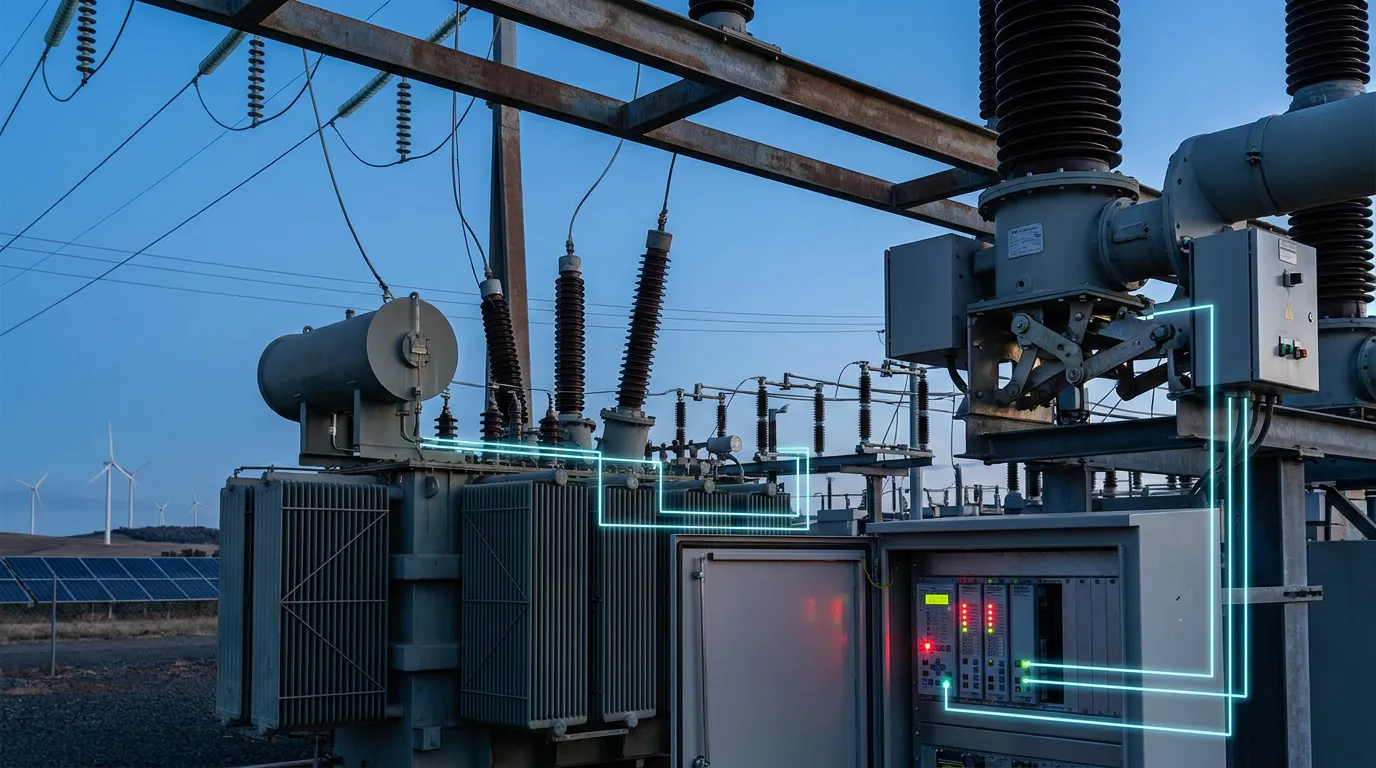
Protection engineering is another essential part of renewable energy integration. Electrical protection systems are designed to detect abnormal conditions and isolate faults quickly, helping protect equipment and maintain the integrity of the wider network.
Renewable energy facilities may require carefully coordinated protection systems to ensure that faults are detected correctly without unnecessary disconnection of healthy parts of the network. Engineers therefore need to consider protection settings, fault levels, equipment characteristics, and coordination between the project and the existing grid.
Power quality and system performance are also important considerations. Depending on the technology and connection arrangement, renewable projects can influence voltage, reactive power, harmonics, and other electrical characteristics.
A well-engineered connection addresses these issues before they affect project performance or network reliability.
Renewable Energy Engineering Supports a Changing Grid
The growth of renewable generation is changing the traditional structure of electricity networks. Conventional power systems were historically designed around relatively predictable, centralised generation. Modern grids increasingly include distributed generation, inverter-based resources, energy storage, and flexible loads.
This creates new engineering challenges and opportunities.
Solar photovoltaic systems and battery energy storage systems, for example, rely heavily on power electronic interfaces. Wind generation can also interact with the network differently from traditional synchronous generation. As the share of these technologies increases, grid engineers must consider how individual projects behave both independently and as part of a larger system.
This is why renewable energy engineering is becoming increasingly interconnected with grid planning, protection, controls, and system studies. Engineers need to understand both the renewable technology and the electrical network into which it will be integrated.
Testing and Commissioning Turn Design Into Reality
Engineering studies and designs provide the foundation, but a renewable energy project still needs to be tested and commissioned before it can operate successfully.
Commissioning is the stage where equipment, protection systems, control functions, communications, and other electrical systems are checked against their intended design and performance requirements.
Effective commissioning can identify issues that may not have been obvious during design or construction. Testing may verify protection settings, control responses, communications, operational sequences, and the behaviour of equipment under different conditions.
For grid-connected renewable projects, commissioning is particularly important because the facility must interact correctly with the network, not simply operate as an independent electrical installation.
A structured commissioning process helps provide confidence that the completed project performs as intended and is ready for reliable operation.
Why Expert Grid Engineering Matters for Project Success
Renewable energy projects involve many interconnected technical decisions. A change to one part of a project can affect other areas, including protection, controls, equipment ratings, connection requirements, construction, testing, and commissioning.
This makes coordinated engineering particularly valuable.
Experienced grid engineering professionals can help project stakeholders understand technical requirements, identify risks, coordinate different engineering disciplines, and develop practical solutions. Their involvement can also improve communication between developers, equipment suppliers, contractors, network operators, and other stakeholders.
Ultimately, effective grid engineering helps bridge the gap between renewable energy generation and dependable electricity supply. It ensures that clean energy projects are not only capable of producing electricity but are also designed to operate safely and effectively within the electrical network.
For organisations planning or developing renewable energy projects, taking the time to learn more about grid engineering can provide valuable insight into the technical considerations that influence project feasibility, connection, commissioning, and long-term performance.
As renewable generation continues to expand, the role of grid engineering will become even more important. The future electricity network will depend on engineering solutions that combine renewable technologies with reliable, resilient, and well-coordinated grid infrastructure.
























Sign in to leave a comment.