

A memorable product experience does not begin when a customer first uses a product. It begins the moment they see it on a shelf, spot it in a delivery, or lift it from a doorstep. Packaging is the first physical encounter between a person and a brand, which makes the packaging experience one of the most influential parts of the entire buying journey. Through thoughtful product packaging design, a brand can shape first impressions, express its brand identity, and set the emotional tone for everything that follows. This guide explains how packaging and customer experience are connected, what design choices matter most, and how businesses can turn ordinary wrapping into something customers remember and talk about.
What Makes a Product Experience Memorable?
A product experience becomes memorable when it leaves a lasting impression that goes beyond function. Customers rarely remember a product only for what it does. They remember how it made them feel, how easy or delightful the interaction was, and whether the presentation matched what the brand promised. Packaging sits at the center of this, because it is the one element every customer touches, regardless of what is inside. To understand why it carries so much weight, it helps to look at the role packaging plays at the very start of the relationship.
Packaging as the First Touchpoint
For most purchases, brand packaging is the first tangible contact a customer has with a company. Before they use the product, read the manual, or contact support, they judge the box, the label, and the overall presentation. That judgment shapes customer perception almost instantly. A clean, well-constructed package with strong visual appeal signals care and quality, while a flimsy or generic one can suggest the opposite before the product has had any chance to prove itself. This is why packaging works as a silent salesperson: it communicates value, professionalism, and personality without a single word of advertising.
From First Impressions to Brand Recall
First impressions matter, but memorability depends on whether those impressions stick. Consistent colors, typography, materials, and structure help customers connect a package with a specific brand, which strengthens brand recall packaging over time. Repeated exposure builds brand association, so that a certain shade, texture, or box shape becomes shorthand for the company itself. When packaging is distinctive and consistent, customers can recognize the brand at a glance, even in a crowded market. That recognition is the foundation of the psychological effects explored next.
Why Does Packaging Psychology Shape Customer Perception?
Packaging psychology explains why design choices influence consumer behavior so strongly. People rarely evaluate packaging rationally. They respond to color, shape, texture, and imagery on an emotional level, and those reactions quietly influence how they judge the product inside. Understanding these responses allows brands to design packaging that supports the experience they want customers to have.
Emotional Connection and Emotional Branding
An emotional connection is what turns a satisfied customer into a loyal one, and packaging is one of the most direct ways to build it. Emotional branding relies on cues such as warm colors that suggest friendliness, minimalist layouts that suggest sophistication, or playful illustrations that signal creativity. Through brand storytelling, a package can communicate where a product comes from, what the company stands for, and why it matters. A short message printed inside the lid or a design that reflects the maker's craft can make an otherwise routine purchase feel personal. When customers feel something, they remember it.
Multisensory Experience and Perceived Value
Sight is only one part of the story. A multisensory experience brings in touch, sound, and even scent, and sensory packaging makes an interaction feel richer and more deliberate. The soft texture of a matte finish, the weight of a sturdy box, or the satisfying click of a magnetic closure all signal quality. These cues directly influence perceived value, because customers tend to assume that a product presented with care is worth more. In practice, this means two identical products can feel very different depending on how they are packaged, and the better-presented one is far more likely to be remembered and recommended.
Why Does the Unboxing Experience Matter for Brand Loyalty?
The unboxing experience has become a defining moment in modern retail, especially online, where opening the package is the first time a customer physically meets the product. Why unboxing experience matters for brand loyalty comes down to emotion and anticipation: a well-designed opening sequence turns a simple delivery into a small event, and customers associate that positive feeling with the brand. Customer engagement through packaging does not end at the sale. It continues in the minutes after arrival, when the customer is most attentive and most receptive.
Designing the Reveal Moment
The reveal moment is the point where the customer first sees the product itself, and it deserves deliberate planning. Layered packaging, a lid that lifts smoothly, a clean interior color, or a carefully positioned product all build anticipation. The best packaging ideas for a memorable unboxing focus on pacing, so that each step feels intentional rather than cluttered. A structured sequence, from outer shipper to inner box to final presentation, lets the customer enjoy the process instead of simply tearing through it. Smooth, intuitive opening mechanics also matter, since frustration can undo an otherwise beautiful design.
Inserts, Thank-You Cards, Tissue Paper and Ribbon
Small details often create the biggest emotional impact. Packaging inserts such as care instructions, product stories, or usage tips add practical value while reinforcing the brand's voice. Thank-you cards make the transaction feel human, and a handwritten or personalized note can leave a lasting impression. Tissue paper and ribbon add a sense of gifting even when the customer is buying for themselves, elevating the moment from unpacking to unwrapping. These finishing touches cost little compared with their effect, and they signal that the brand pays attention to the customer, not just the order.
Packaging Elements That Make Customers Share on Social Media
Today, memorable packaging is often photographed and posted. The packaging elements that make customers share on social media usually include a bold color palette, a clean and photogenic layout, a surprising interior design, or a memorable message. This kind of shareable packaging encourages user-generated content, which works as free, trusted promotion because it comes from real customers rather than the brand. When someone posts an unboxing photo or video, their audience sees the product through a peer's eyes, which builds credibility and extends the brand's reach far beyond the original purchase.
Which Design Elements Elevate Product Packaging?
Memorable experiences depend on concrete design decisions. Structure, materials, finishes, and personalization all shape how a package looks, feels, and performs. Choosing them with intention is what separates ordinary packaging from an impactful, unforgettable presentation.
Packaging Materials and Tactile Finishes
The choice of packaging materials affects durability, appearance, cost, and environmental impact, but it also shapes how the package feels in the hand. Sturdy paperboard suggests reliability, while textured stocks add character. A tactile finish invites touch and makes the package feel crafted rather than mass-produced. Techniques such as embossing raise elements of the design so they can be felt as well as seen, and foil stamping adds a reflective accent that catches the light and highlights a logo or key detail. Used with restraint, these finishes create contrast and focus attention where it matters most.
Premium and Luxury Packaging Formats
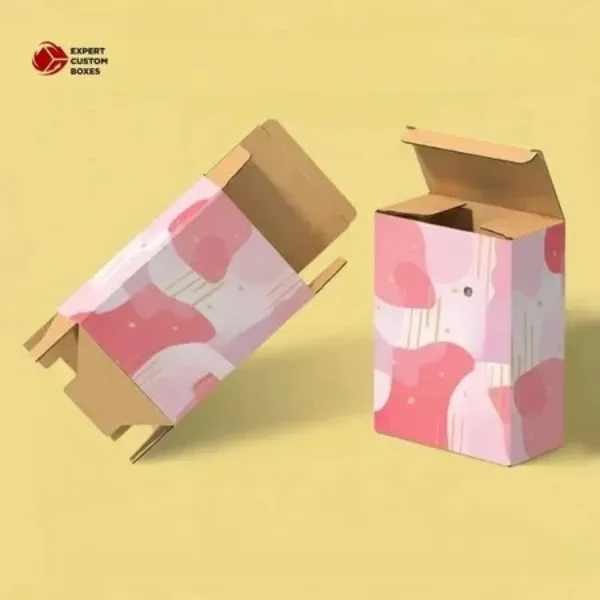
Premium packaging communicates that a product is worth its price, and luxury packaging takes that further by making the package itself part of the product's appeal. The rigid box is a classic example: its firm structure, clean edges, and substantial weight convey quality immediately, and it often gets reused by customers, which keeps the brand visible long after the purchase. A gift box is ideal for products that are frequently given as presents, while a mailer box balances presentation and shipping protection for online orders. Brands looking for tailored custom packaging often turn to custom printed rigid boxes to combine structure with full brand expression, and manufacturers such as Expert Custom Boxes produce these formats in a range of sizes and finishes. Whatever the format, it should match the product's positioning and the experience the brand wants to deliver.
Personalization and Brand Storytelling
Packaging personalization makes customers feel recognized rather than processed. This can be as simple as a name printed on a card or as involved as limited-edition designs for specific audiences or occasions. Combined with brand storytelling, personalization turns packaging into a narrative device: it explains the brand's values, origins, or mission while making the customer feel like part of that story. The more relevant and thoughtful the details are, the more likely the customer is to remember the experience and return.
How Can You Make Product Packaging Unforgettable?
Understanding the theory is useful, but brands also need practical direction. The ways to make product packaging unforgettable all share a common principle: every decision should support a clear, consistent experience rather than chase novelty for its own sake.
Align Packaging with Brand Identity
Packaging should look and feel like the brand it represents. Colors, typography, materials, tone of voice, and imagery must all reflect the company's personality and audience. A luxury skincare line and a playful snack brand will make very different choices, and that difference is exactly what customers expect. When packaging aligns with brand identity, it reinforces trust and makes the overall experience feel cohesive rather than accidental.
Follow Packaging Design Trends Selectively
Packaging design trends such as minimalist layouts, bold typography, tactile finishes, and interactive elements can inspire fresh thinking, but adopting every trend risks diluting a brand's identity. The most effective approach is to borrow ideas that genuinely fit the brand and its customers, then adapt them in a way that feels authentic. Trends should refresh the experience, not replace what makes the brand recognizable.
Packaging for E-commerce and Eco-Friendly Choices
Online sellers face a particular challenge: their packaging for e-commerce must protect the product through shipping while still delivering a memorable opening moment. Durable construction, right-sized boxes, and thoughtful interior presentation solve both problems. At the same time, eco-friendly packaging has become a meaningful part of the customer experience. Recyclable, recycled, or responsibly sourced materials show that a brand cares about its impact, and many customers actively prefer companies that make that effort visible on the package itself.
How Does Custom Packaging Improve Customer Satisfaction and Repeat Purchases?
How custom packaging improves customer satisfaction is largely a matter of fit and care. Packaging built specifically for a product protects it better, presents it more attractively, and reduces the frustration of damaged or awkward deliveries. When customers receive their order in excellent condition and in a package that feels considered, satisfaction rises, and that satisfaction shapes future decisions. How packaging design influences repeat purchases follows the same logic: a positive, memorable experience builds trust, and trust builds customer loyalty. Customers are more likely to buy again from a brand whose packaging consistently delivers a good feeling, and they are more likely to recommend it to others. Over time, that compounding effect makes packaging a genuine driver of retention, not just a container.
Frequently Asked Questions
How does packaging create a memorable customer experience?
Packaging creates a memorable customer experience by engaging the senses, communicating brand identity, and delivering emotional moments at every stage of the interaction. The design attracts attention, the materials and finishes shape how the product feels, and the opening sequence builds anticipation. When these elements work together, the customer remembers the experience as a whole rather than just the product inside.
What makes an unboxing experience worth sharing?
An unboxing experience is worth sharing when it feels surprising, attractive, and personal. Strong visual design, a satisfying reveal, and small extras such as a thank-you card or tissue paper give customers something to photograph and talk about. When the experience feels genuine rather than forced, customers are more willing to post it, which extends the brand's reach through user-generated content.
Are rigid boxes worth it for premium products?
Rigid boxes are often a strong choice for premium products because their sturdy structure and refined look immediately signal quality. They protect the product well, support high-end finishes such as embossing and foil stamping, and are frequently kept or reused by customers. The added cost is usually justified when the goal is to raise perceived value and strengthen brand recall.
Can eco-friendly packaging still deliver a memorable experience?
Yes. Eco-friendly packaging can be just as memorable as conventional options when it is designed with care. Natural textures, recycled stocks, and clean printing can look distinctive and premium, and the environmental message itself becomes part of the brand story. Customers who value sustainability often respond positively when a package reflects those values visibly.
How can small businesses improve their packaging without a large budget?
Small businesses can focus on high-impact details rather than expensive materials. Consistent branding, a well-chosen box size, a personalized thank-you card, and a neat interior presentation cost relatively little but noticeably improve the experience. Starting with these fundamentals and adding custom finishes as the business grows is a practical way to build memorable packaging over time.
Conclusion
Packaging shapes every stage of the product experience, from the first glance to the final decision to buy again. It builds first impressions, supports brand recall, creates an emotional connection, and turns unboxing into a moment customers want to share. Brands that treat packaging as a core part of the customer experience, rather than a shipping necessity, gain a lasting advantage in loyalty, satisfaction, and word of mouth. By aligning design with brand identity and paying attention to the details customers notice, any business can turn its packaging into a genuinely memorable experience.






















Sign in to leave a comment.