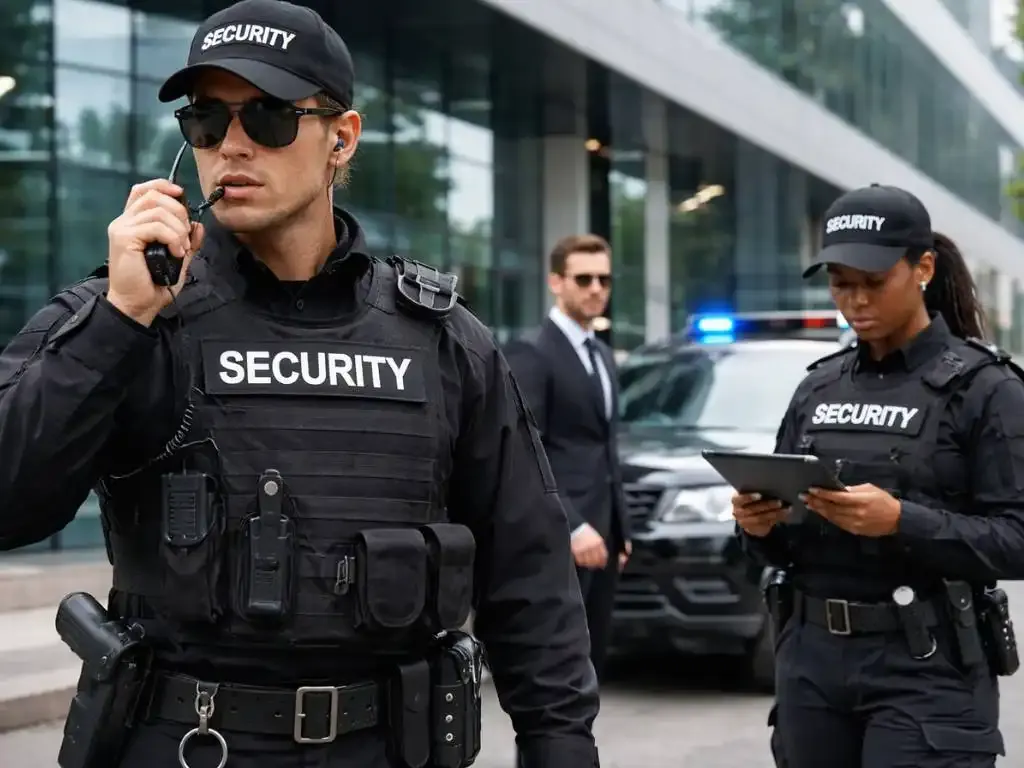

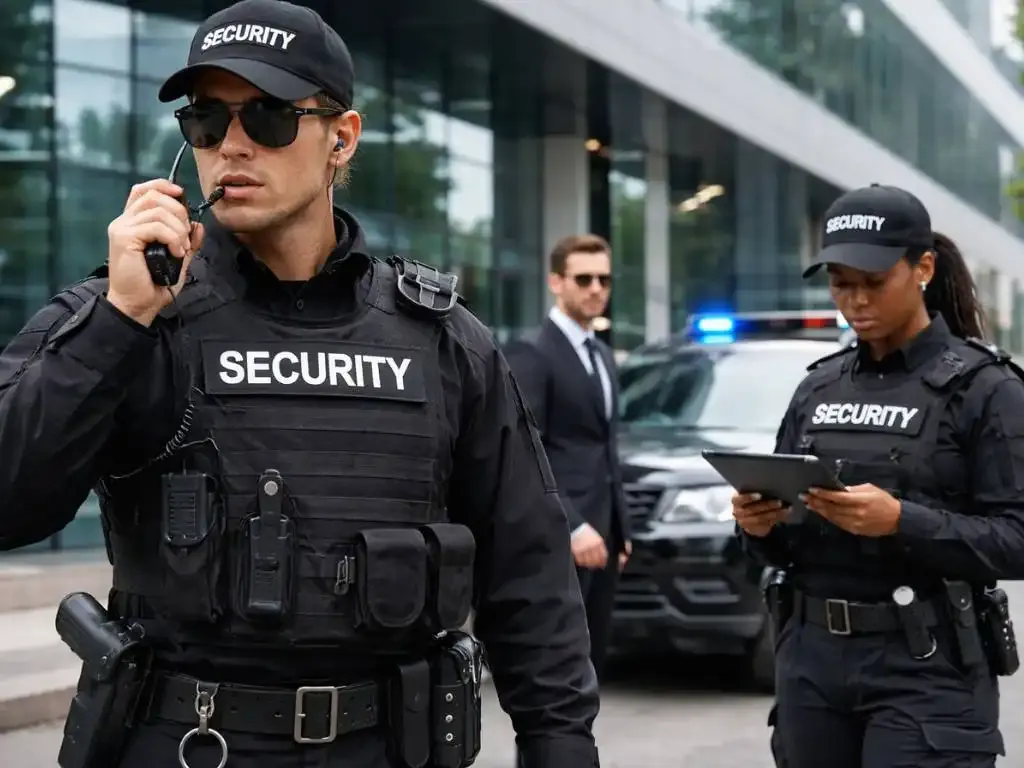
Every business owner has had that moment of unease when closing up for the night, wondering if everything is really secure. Cameras and alarms help, but they only record or announce a problem after it begins. A trained person standing at the entrance can stop trouble before it starts, and that is why uniformed security guards remain a trusted part of property protection for offices, shopping centres, warehouses and residential complexes.
Why a Visible Presence Still Matters
Most crimes on commercial property are crimes of opportunity. A thief looking for an easy target will usually skip a building where someone in a recognisable uniform is watching the doors. That visibility works as a deterrent in a way a hidden camera cannot.
A visible officer also changes how staff and customers feel. Employees working late feel safer walking to their cars. Shoppers feel more comfortable lingering. Tenants trust that someone is looking after the building when they are not there.
What Guards Actually Do Every Day
The job is much broader than standing at a gate. On a typical shift, an officer may:
- Patrol the premises, parking areas and blind spots at set intervals
- Check IDs, visitor passes and delivery vehicles at entry points
- Monitor CCTV feeds and respond to alerts on the spot
- Lock and unlock buildings, and check that doors and windows are secured
- Write incident reports that help management and insurers
- Respond calmly to medical emergencies, fire alarms or evacuations
Because a guard is on site, response time is measured in seconds rather than the many minutes it takes for outside help to arrive. In an emergency, that gap matters.
How Different Properties Use Security Guards
Each type of property has different risks, so the guard's role shifts accordingly.
Retail stores and malls: Guards watch for shoplifting, handle disputes and keep entrances clear. Their presence also reassures families and older shoppers.
Office buildings: The focus is on access control. Guards confirm who is entering, log visitors and make sure sensitive floors stay restricted.
Warehouses and industrial sites: Theft of stock and equipment is the main concern. Guards control vehicle movement, check loads and patrol large, poorly lit areas.
Residential and mixed-use complexes: Officers manage gate entry, monitor common areas and give residents a point of contact for any concern.
Managing Busy Days and Large Gatherings
Commercial properties often host product launches, sales, exhibitions or festive-season rushes. A packed entrance, long queues and impatient crowds can turn risky fast. This is where professional crowd control services make a real difference. Trained officers manage entry points, guide movement, keep emergency exits clear and defuse tension before it escalates.
Planning matters here. A good team will walk the site beforehand, identify bottlenecks and agree on a clear response plan with your staff. That preparation is what keeps a busy day from becoming a stressful one.
Welcoming Visitors Without Compromising Safety
Security does not have to feel cold. In premium offices, hotels, corporate towers and upscale residential buildings, the first person a visitor meets shapes their impression of the whole property. Well-trained concierge security services combine a friendly front-desk presence with proper screening. The officer greets guests, verifies appointments, directs them to the right floor and quietly keeps an eye on who comes and goes.
The result is a lobby that feels hospitable while still being controlled. Tenants and clients get a smooth experience, and unwanted visitors never get past the first conversation.
What to Look for When Hiring a Security Provider
Not every provider delivers the same standard. Before signing a contract, check these points:
- Licensing and compliance: The company and its officers should hold valid licences and follow local labour and security regulations.
- Training: Ask about first aid, fire safety, conflict handling and report writing.
- Background checks: Every guard should be properly vetted.
- Site-specific planning: A good provider assesses your property before proposing a plan.
- Supervision and backup: Guards should be supported by field supervisors and a reliable replacement system.
- Clear communication: You should know who to call and how quickly you will get a reply.
Cheap rates often mean poorly trained staff and high turnover, which defeats the purpose of hiring security at all.
Frequently Asked Questions
What is the main job of a security guard at a commercial property?
A security guard protects people, property and assets by patrolling, controlling access, monitoring surveillance systems and responding to incidents. They also act as a visible deterrent against theft, vandalism and trespassing.
Are security guards better than CCTV alone?
They work best together. Cameras record events, while guards can act in real time by intervening, assisting people and handling emergencies. A camera cannot stop a break-in in progress, but an officer on site can.
How many security guards does a commercial property need?
It depends on the size of the site, the number of entry points, foot traffic, opening hours and risk level. A professional site assessment is the most reliable way to decide the right number and shift pattern.
Do security guards carry weapons?
In most commercial settings, guards are unarmed and rely on training, communication skills and quick reporting. Whether armed officers are allowed depends on local laws and the specific risks at the site.
How much does it cost to hire security guards for a business?
Costs vary by location, shift length, number of officers and level of training. Day-only coverage costs less than 24/7 service, and specialised roles such as event or front-desk security may be priced differently. Requesting a custom quote based on a site visit gives the most accurate figure.
Final Thoughts
A secure property is more than a locked door. It is a place where staff can work without worry, customers feel welcome and owners can sleep knowing their investment is watched over. Technology will keep improving, but the judgement, awareness and calm of a trained person on site is hard to replace.
If you want that peace of mind for your own premises, Shadow Safe Security offers trained, reliable professionals who take the time to understand your property before putting a plan in place. Reach out for a site assessment and see how the right team can protect what matters most to your business.

























Sign in to leave a comment.