

Let’s be honest. Running a small business is not for the faint-hearted.
You’re wearing ten hats at once, managing inventory, handling customer complaints, training staff, and somehow trying to grow at the same time. The last thing you want to hear is that you also need to build a loyalty program.
But here’s what nobody tells you — a well-designed loyalty program isn’t more work. It’s actually one of the few things you can set up once that keeps paying you back month after month, year after year.
So let’s break it down in a way that’s actually practical.
Why Your Small Business Needs a Loyalty Program Right Now
Think about the last time you walked into your favorite local coffee shop. You probably didn’t go back because of an ad. You went back because it felt familiar, because they remembered your order, because it just felt good.
That’s loyalty. And a structured loyalty program is how you engineer that feeling at scale — even without a team of marketers behind you.
The numbers back this up. Repeat customers spend more, complain less, and refer friends more often than new customers. Yet most small businesses pour the majority of their energy into acquisition and ignore the goldmine sitting right in their existing customer base.
That has to change.
What a Good Loyalty Program Actually Looks Like
It’s Easy Enough for Anyone to Join
If someone needs to download an app, remember a password, or fill out a lengthy form just to get started, they won’t. Simplicity is everything. The program should be explainable in one sentence and joinable in under sixty seconds.
It Rewards People for Things They’re Already Doing
The best loyalty programs don’t ask customers to change their behavior dramatically. They reward customers for doing what they were going to do anyway — making purchases, visiting regularly, referring a friend. The program should feel like a bonus on top of the experience, not a chore.
It Goes Beyond the Transaction
Loyalty Incentive Programs that genuinely move the needle are the ones that make customers feel seen and valued between visits — not just at the point of sale. A birthday message with a discount. A personal note when a loyal customer hits a milestone. Small gestures that show you’re paying attention.
The Different Types of Loyalty Programs to Consider
Points and Rewards
This is the classic model and for good reason — it works. Customers earn points with every purchase and redeem them for discounts or free products. The key here is keeping the first reward achievable. If it takes a year of purchases to get anything, people stop caring fast.
Tiered Membership
Tiered programs create a sense of progression. Your most loyal customers unlock better perks as they move up the ranks. This model drives not just retention but also increased spending, because customers actively try to reach the next level.
Referral Rewards
Word of mouth has always been the most powerful marketing channel for small businesses. A referral program turns that organic behavior into a structured system. When a happy customer sends someone new your way and both walk away with a reward, the ripple effect can be remarkable.
Punch Cards and Stamp Programs
Old-fashioned? Maybe. But don’t dismiss them entirely. A well-designed digital punch card — built into a text or email system — still works well for businesses with high visit frequency, like cafes, salons, or gyms. The key is making it digital rather than a paper card that gets lost in a wallet.
How to Build Your Loyalty Program Without Overcomplicating It
Start With a Clear Goal
Before choosing a platform or designing a rewards structure, get clear on what you actually want the program to achieve. More repeat visits? Higher average order value? More referrals? Your goal shapes every decision that follows.
Know What Your Customers Value
This sounds obvious, but most businesses skip it. Talk to your regulars. Look at your purchase data. What do your best customers respond to? The right reward for a boutique clothing store looks very different from the right reward for a neighborhood hardware shop.
Pick a Platform That Does the Heavy Lifting
You don’t need to build anything from scratch. There are affordable loyalty platforms designed specifically for small businesses that handle everything from sign-ups to point tracking to automated reward notifications. Companies and consulting partners like GappGroup can help guide small business owners through the selection process, saving both time and costly missteps.
Keep Your Team in the Loop
Your staff are your most powerful enrollment tool. If they believe in the program and mention it naturally at checkout, sign-up rates will climb. If they treat it as an afterthought, customers will too. A short training session and a simple script can make a real difference.
Communicate Regularly
Signing someone up and then going silent is a surefire way to kill engagement. Send regular updates — points balance reminders, special bonus periods, exclusive member offers. Keep the program alive in your customers’ minds, especially during the weeks they’re not actively shopping with you.
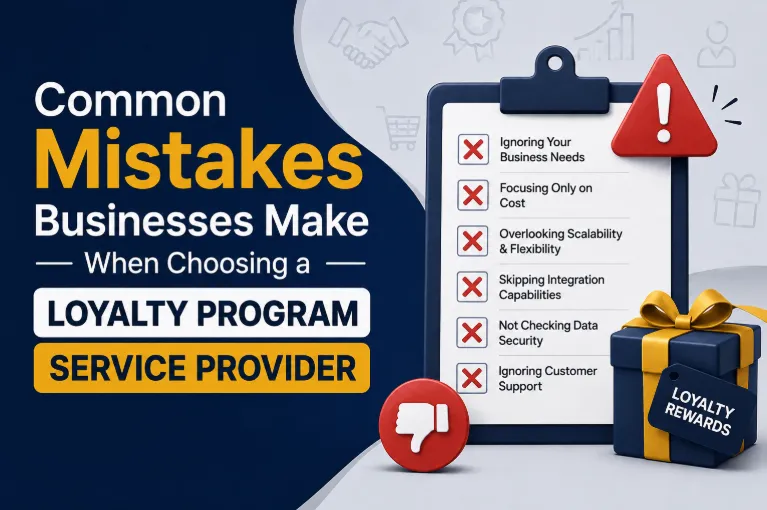
The Mistakes That Quietly Kill Loyalty Programs
Making rewards too hard to reach is the most common issue. If customers feel like the finish line keeps moving, they give up. Keep early milestones close and achievable.
Not tracking your data is another costly mistake. Your platform is giving you valuable information about who’s engaged and who’s drifting. Use it. A customer who hasn’t visited in sixty days might just need the right email to come back.
Finally, launching with excitement and then letting the program fade into the background. Loyalty programs need energy and ongoing promotion. Treat it like a living part of your business, not a one-time setup.
Conclusion
Building a loyalty program for your small business is one of the smartest investments you can make — not because it’s trendy, but because it directly addresses one of the most expensive problems any business faces: losing customers you’ve already worked hard to win.
Start with a simple structure, reward what your customers already value, communicate consistently, and let the program grow naturally over time. The businesses that build loyalty today are the ones that will be genuinely difficult to compete with a year from now. And that kind of advantage is worth every bit of effort it takes to create.

























Sign in to leave a comment.