
A clothes dryer is one of those appliances most people notice only when something goes wrong. When it works properly, warm air and moisture leave through the exhaust system without much thought. But behind the dryer, several small components help make that process possible, including the connection where the vent passes through a wall.
This area may seem unimportant compared with the dryer itself, yet a well-fitted wall connection can help keep the exhaust pathway secure, supported, and properly directed. If the opening is poorly finished, the duct is loose, or the surrounding area is damaged, the vent system may not perform as intended.
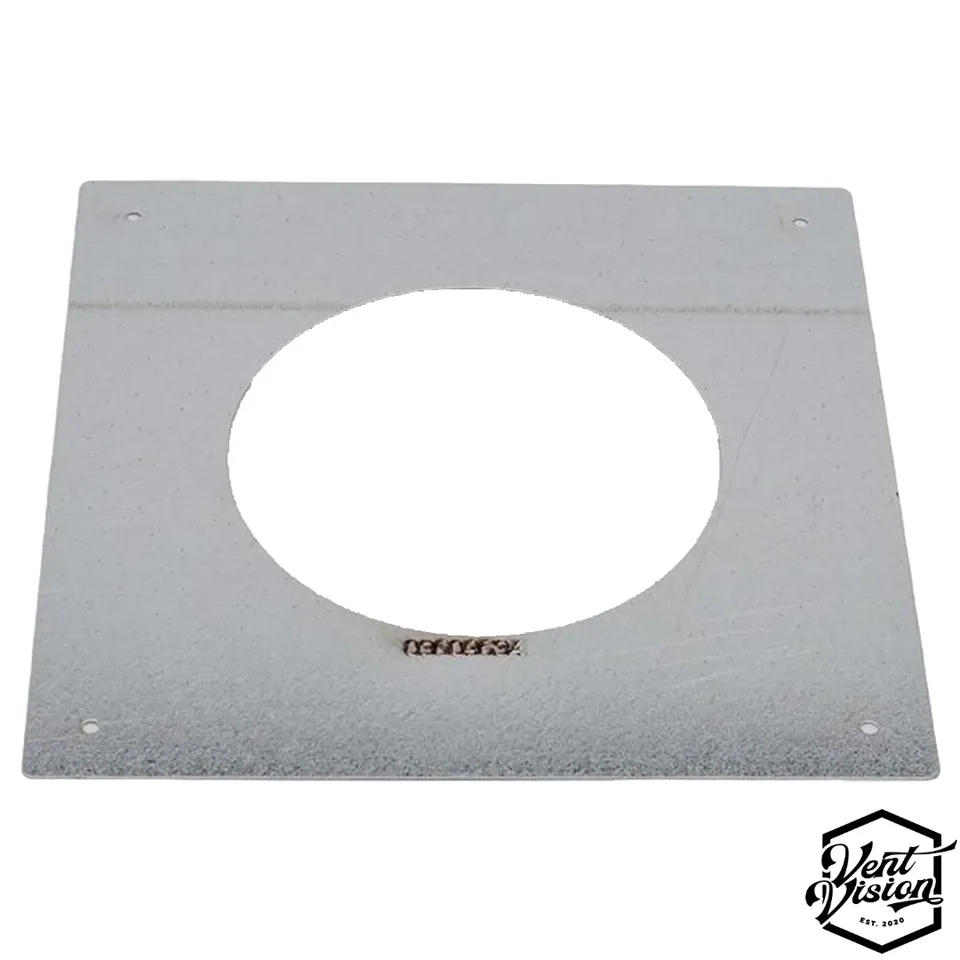
One component commonly associated with this part of the installation is a dryer vent wall plate. It provides a finished and supported point where the vent can pass through a wall or connect with another section of the exhaust route.
Understanding what this component does, why it matters, and what to look for can help homeowners recognize potential problems before they become frustrating maintenance issues.
What Is a Dryer Vent Wall Plate?
A dryer vent wall plate is a fitting designed to provide a neat, stable connection around the point where a dryer exhaust duct passes through a wall.
Depending on the particular design, the plate may help cover the opening, support the vent connection, or provide a suitable transition between the duct and the wall penetration.
Think of it like a picture frame around a hole in the wall. The frame does not create the picture, but it gives the opening a cleaner, more organized finish.
The exact design varies between products and installations. Some wall plates are simple flat pieces with a central opening, while others are designed as part of a more complete vent connection.
The important thing is that the component needs to be appropriate for the vent system and installed correctly.
Why Does the Wall Connection Matter?
A dryer exhaust system is essentially a pathway for warm, moist air to travel from the appliance to the outdoors.
For that pathway to work well, the duct needs to remain properly connected and reasonably unobstructed.
The wall penetration is one of the points where the system changes from one space to another. If the connection is loose, poorly supported, damaged, or incorrectly sized, it can create unnecessary problems.
Imagine a hose carrying water from a tap to a garden. If the hose is securely connected, water can travel where it should. If the connection is loose or the hose is sharply crushed, performance can suffer.
A dryer vent has a different purpose, but the basic idea is similar: the pathway needs to remain intact from one end to the other.
What Does a Wall Plate Actually Do?
The function depends on the design of the particular product and how the vent has been installed.
A wall plate may provide a finished appearance around the wall opening. It may also help hold or position the vent connection.
In some installations, it can provide a more organized transition between the visible section of ductwork and the opening through the wall.
It is important not to assume that every wall plate performs the same job. Some are decorative or protective covers, while others are designed to form part of the actual vent connection.
When replacing or installing one, the product specifications should be checked carefully.
Why Proper Sizing Matters
One of the simplest but most important considerations is size.
The wall plate needs to work with the dimensions and configuration of the existing vent system.
A component that is too small may not provide the intended coverage or connection. One that is too large may not fit properly.
This is similar to buying a replacement lid for a container. Being close to the right size is not enough. The lid needs to match the opening.
Before purchasing a replacement, measure the relevant opening and check the manufacturer's specifications. Do not rely solely on a product photograph because different vent systems can use different connection methods.
Materials Used in Wall Plates
Wall plates and related vent fittings may be made from materials such as metal or durable plastic, depending on the product and its intended application.
The material should be suitable for the environment and the temperatures associated with the appliance's exhaust system.
Metal components are often chosen for their durability, while some plastic products may be designed for specific applications.
The important point is not simply whether a product looks sturdy. It needs to be designed for use with the particular ventilation system.
Avoid improvising with household materials that were never intended to form part of a dryer exhaust connection.
The Difference Between a Wall Plate and a Vent
A wall plate and the exhaust duct are not the same thing.
The duct is the passage through which air travels.
The wall plate is a component associated with the point where that passage meets or passes through the wall.
This distinction matters because replacing a visible plate does not necessarily fix an underlying duct problem.
For example, if the duct behind the wall is crushed or disconnected, installing a new plate will not repair it.
It is a little like replacing the handle on a damaged door. The new handle may look better, but the door itself still needs attention if its hinges or frame are broken.
Signs the Wall Connection May Need Attention
You may not think about the wall connection until something appears unusual.
Several signs can justify closer inspection.
A Loose Vent Connection
If the duct moves excessively at the wall, the connection may not be properly secured.
Visible Gaps
Gaps around the vent opening can indicate that the installation needs inspection.
Damaged or Cracked Components
A wall plate that is cracked, bent, or broken may no longer provide the support or finish it was intended to provide.
Lint Around the Connection
Visible lint around the connection may suggest that material is escaping from an area that should remain properly connected.
Unusual Dryer Performance
Longer drying times or noticeably weaker airflow can have many causes, but they may be a reason to inspect the entire exhaust pathway.
A problem at the wall is only one possibility, so avoid assuming that replacing a plate will automatically solve dryer performance issues.
Why Lint Deserves Attention
Lint is an ordinary part of drying clothes.
Small fibers are released from fabrics as they tumble inside the dryer. Much of this material is captured by the lint filter, but some can enter the exhaust system.
Over time, lint can accumulate in the duct.
This matters because lint is combustible. Maintaining the exhaust system and keeping it appropriately clear are important parts of responsible dryer care.
The wall connection itself should not be treated as the only area that needs attention. The entire exhaust pathway, including the exterior termination, should be considered when maintenance is performed.
Moisture Is Another Consideration
A dryer exhaust system also carries moisture away from the appliance.
When clothes are wet, the drying process turns some of that moisture into warm, humid air. That air needs to leave the dryer through the exhaust system.
If the exhaust pathway is restricted or poorly configured, moisture may not leave as effectively as intended.
This is one reason proper vent design matters. The goal is to provide a suitable route for air to move from the appliance to the outdoors.
A wall plate cannot compensate for an exhaust duct that has been poorly routed or heavily restricted.
Why the Exterior Vent Matters Too
It is easy to focus on the connection behind the dryer and forget about the other end of the system.
The exterior termination is where the exhaust air ultimately leaves the building.
If the outside opening is obstructed by lint, debris, or another object, airflow can be affected.
Therefore, checking the wall connection should be part of a larger inspection rather than an isolated task.
Think of the vent like a road connecting two towns. Keeping the entrance clear does not help much if there is a major blockage farther along the route.
Installation Quality Makes a Difference
A wall plate can be a well-designed product and still perform poorly if it is installed incorrectly.
The connection should be compatible with the duct, properly positioned, and securely fitted.
The exhaust duct should also avoid unnecessary bends and crushing where possible.
Every sharp turn adds resistance to airflow. A crushed section can reduce the available passage even further.
This is why installation is just as important as the individual components.
Buying a high-quality fitting does not automatically create a high-quality vent system.
Should You Replace a Wall Plate Yourself?
For a simple, accessible component, some homeowners may feel comfortable handling a replacement.
However, the surrounding vent system should be considered before starting.
If replacing the plate requires disturbing concealed ductwork, moving a gas dryer, altering a wall penetration, or making changes to the exhaust route, professional assistance may be more appropriate.
A small visible component can sometimes be connected to a much larger hidden system.
If you are unsure what you are looking at, it is better to stop and seek advice than to make changes that could compromise the exhaust system.
How to Choose a Replacement
If a wall plate is damaged or needs replacement, begin by identifying the existing setup.
Look at the size and shape of the opening. Determine how the duct connects to it. Check whether the existing component is designed to support the duct, cover the opening, or perform another function.
Then compare those details with the specifications of the replacement product.
Consider the following:
- Correct dimensions
- Suitable material
- Compatible duct size
- Appropriate connection method
- Intended application
- Installation requirements
If the original component is part of a more complicated assembly, replacing it with a generic fitting may not be suitable.
Do Not Ignore a Damaged Wall Opening
A damaged wall opening can be more than a cosmetic problem.
If the area around the vent has become loose or deteriorated, the duct may not remain properly positioned.
An oversized opening may also make it harder to achieve a neat, secure connection.
This is another situation where the visible problem may be only part of the story.
If you notice damage around the wall penetration, inspect the surrounding area rather than simply covering it with a new plate.
How Vent Inspections Can Help
Sometimes the best way to understand a dryer vent problem is to look beyond the visible connection.
Inspection tools such as specialized cameras can help technicians view accessible sections of hidden ductwork.
A camera may reveal accumulated lint, an obstruction, a crushed section, or another condition that cannot be seen from the outside.
This can be especially helpful when a dryer continues to show poor performance despite basic maintenance.
Vent Vision recognizes that effective vent maintenance involves understanding the condition of the system rather than focusing on one visible component alone.
Cleaning the Vent Is Still Important
A wall plate does not remove lint.
Even if the connection looks perfect, the duct behind it can still contain accumulated material.
Regularly cleaning the lint filter is one of the simplest habits a dryer owner can develop. The filter should be cleaned according to the appliance manufacturer's instructions, typically after each load.
The exhaust system also needs appropriate inspection and cleaning when necessary.
For accessible, straightforward vents, suitable cleaning equipment may be enough. Longer or more complicated systems may require professional service.
What About Vent Cleaning Rods?
Flexible cleaning rods can be used with appropriate brushes to extend a cleaning tool farther into certain dryer vents.
These rods are designed to help navigate portions of a duct that are beyond the immediate opening.
However, they are not suitable for every vent.
If a duct has tight bends, unusual routing, significant damage, or difficult access, a cleaning rod may not reach the entire system.
A tool should never be forced through a vent simply to achieve greater reach.
Common Problems Caused by Poor Vent Connections
A poorly connected exhaust system can create several concerns.
Air may escape from unintended locations rather than traveling efficiently toward the exterior.
The duct may also become displaced over time if it is not adequately supported.
In some situations, lint can accumulate around connection points.
The severity of a problem depends on the specific installation, so visible evidence should be evaluated rather than assuming every loose connection has the same consequences.
If you see a gap, damaged fitting, or disconnected section, address it rather than leaving it unattended.
Mistakes to Avoid
There are a few easy mistakes homeowners can make when dealing with dryer vent wall connections.
Choosing a Component Based Only on Appearance
A fitting may look similar to the original but have different dimensions or connection requirements.
Covering a Problem Instead of Fixing It
A new plate may hide an opening without correcting a damaged duct or poor connection.
Ignoring the Rest of the Vent
The wall connection is only one section of the exhaust system.
Using Improvised Materials
Household tape, cardboard, or unrelated fittings should not be treated as substitutes for components designed for dryer exhaust systems.
Moving a Gas Dryer Without Proper Precautions
Gas appliances require additional care. Do not disturb gas connections unless you are qualified to do so.
Simple Dryer Vent Maintenance Habits
Good dryer care does not have to involve complicated routines.
Clean the lint filter after every load. Pay attention to changes in drying performance. Look at the visible duct connection occasionally and check the exterior vent opening for obvious obstructions.
If clothes begin taking considerably longer to dry, investigate the cause rather than simply running the dryer for additional cycles.
Also pay attention to unusual heat, burning smells, damaged ductwork, or other unexpected changes.
These signs do not automatically prove that the wall connection is responsible, but they are reasons to look more closely at the overall system.
When Professional Help Makes Sense
Professional assistance can be particularly valuable when the dryer vent is long, concealed, difficult to access, or routed through complicated areas.
It is also worth considering when basic cleaning does not resolve airflow problems.
A professional can inspect more than the visible wall plate. Depending on the situation, they may assess the duct layout, connections, airflow, buildup, and physical condition.
This broader view can prevent homeowners from spending time replacing individual parts that were not actually responsible for the problem.
A Small Component With a Bigger Job Than It Seems
The wall connection on a dryer vent may not be the most noticeable part of the system, but small components can still contribute to a reliable installation.
A properly selected and installed wall plate can help provide a neat, stable connection where the exhaust duct meets the wall. More importantly, inspecting this area can draw attention to the condition of the larger ventilation system.
The most useful approach is to think beyond the visible part.
If the plate is damaged, check the connection. If the connection is loose, check the duct. If the duct is restricted, determine why. If cleaning does not solve the issue, investigate the system further.
Conclusion
A dryer vent wall plate may seem like a minor detail, but the area where the exhaust duct passes through a wall deserves attention.
The wall connection needs to work properly with the duct, remain secure, and form part of a suitable route for warm, moist air to travel outdoors. A damaged plate, loose connection, poorly fitted component, or damaged duct can affect the overall condition of the exhaust system.
At the same time, replacing a wall plate should never be viewed as a universal solution to dryer vent problems. Lint buildup, crushed ductwork, blocked exterior openings, poor routing, and appliance issues can all contribute to poor performance.
The smartest approach is to look at the complete system.
Keep the lint filter clean, watch for changes in drying performance, inspect visible connections, and arrange professional attention when the vent is difficult to access or a problem persists.
A small amount of attention to the parts behind your dryer can go a long way toward keeping the entire exhaust system in better condition.
























Sign in to leave a comment.