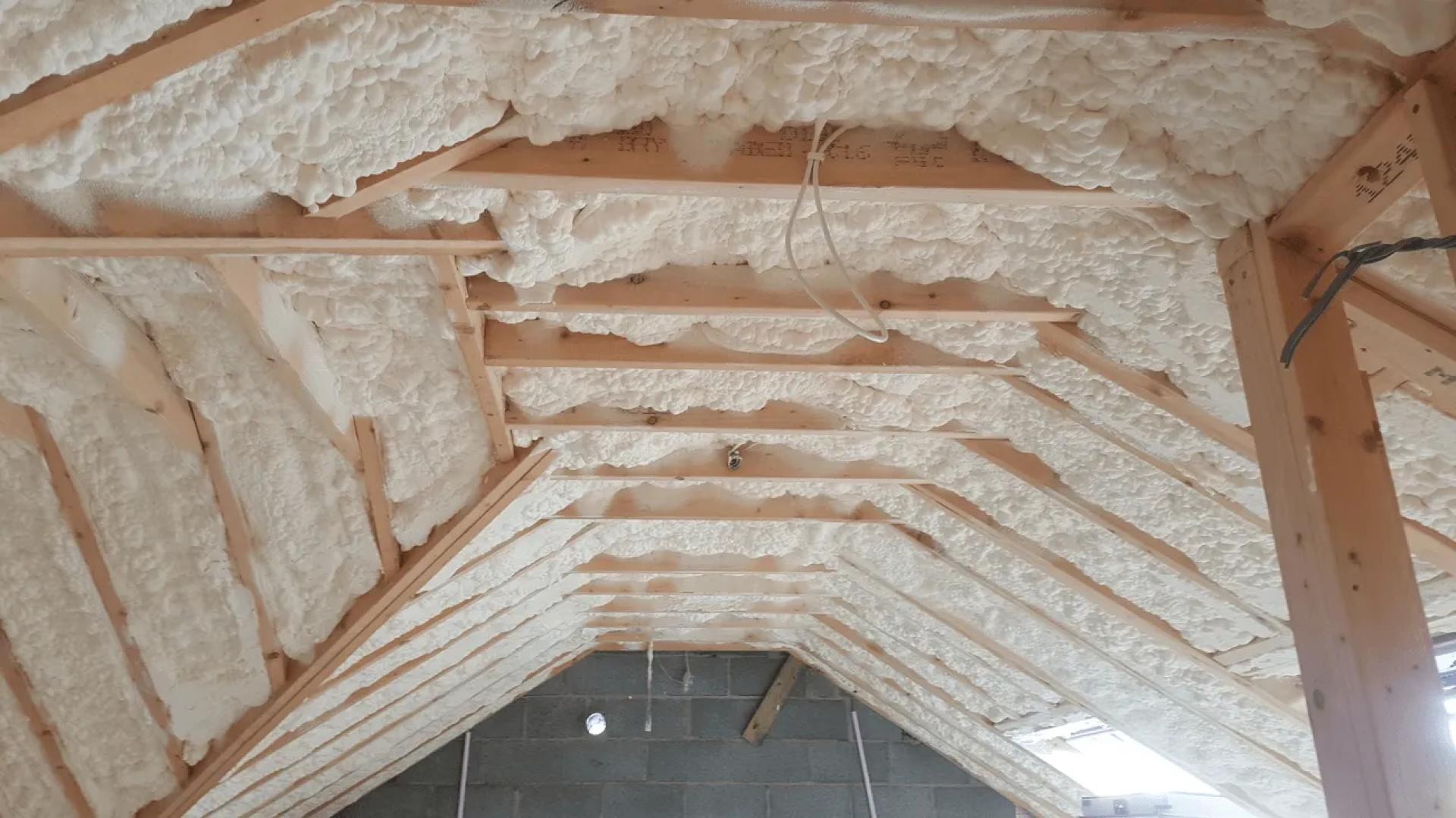

Attic spray foam insulation involves installing a modern thermal barrier to regain control over a home's energy consumption. This process goes beyond merely adding more material; it addresses the fundamental physics of heat transfer by sealing air leaks and establishing a consistent thermal boundary.
Savvy homeowners recognize that the attic often represents the largest source of energy waste in a residential structure. Building science experts agree that upgrading this single area delivers the highest return on investment in terms of comfort and utility savings.
A properly executed attic spray foam installation stabilizes indoor temperatures, reduces the workload on HVAC equipment, and improves overall indoor air quality by eliminating dust and allergen pathways from the top down.
Understanding the Building Envelope
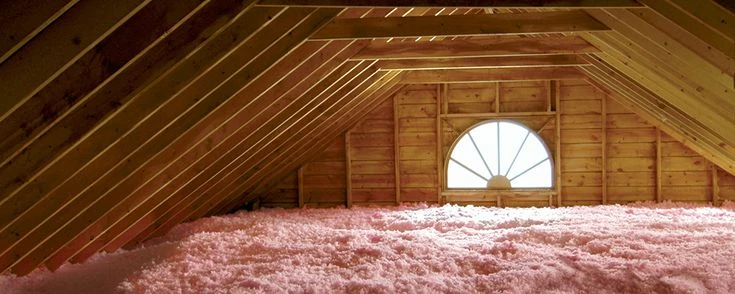
The building envelope acts as a protective shell separating indoor spaces from exterior weather. When compromised, such as through a leaky or under-insulated attic, heating and cooling systems must work harder to maintain comfortable temperatures. A modern attic spray foam installation focuses on controlling this heat gain, improving energy efficiency, and reducing HVAC strain.
The Problem with Traditional Materials
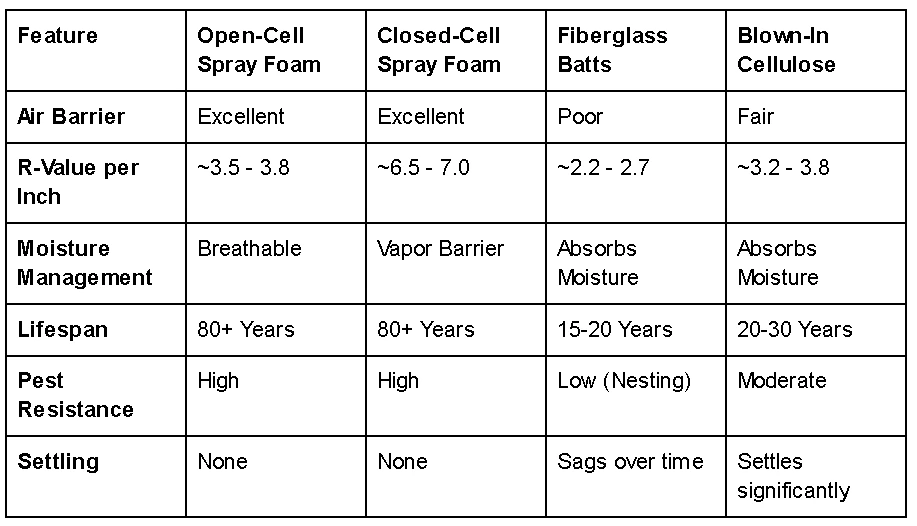
Many homes built decades ago rely on fiberglass batts or loose-fill cellulose. While these materials resist heat conduction to a degree, they are permeable to air movement. Air passes right through them, carrying heat and moisture.
Over time, these materials settle, creating gaps and voids that reduce their effectiveness. Rodents and pests also find soft, fibrous insulation ideal for nesting, which can lead to contamination and further degradation of the thermal layer.
Air Leakage vs. Insulation
Insulation measures thermal resistance (R-value), but R-value does not account for air leakage. A home can have thick insulation but still be drafty and inefficient if air can bypass the material.
Air sealing is the process of closing the holes and cracks in the attic floor. These penetrations occur around light fixtures, plumbing pipes, and electrical wires. Addressing these leaks is a non-negotiable step in any effective attic spray foam installation project.
Bonus Tip: Check the Hatch
The attic access hatch is often the single most significant air leak in the ceiling. It is an uninsulated door to the outside. An innovative attic spray foam installation includes installing a rigid foam cover and weatherstripping around this opening to ensure the thermal barrier remains continuous.
The Basics of the Installation Process Explained
A professional attic spray foam installation is a multi-stage construction project designed to reset the attic's condition. It starts with safety and preparation to ensure the living space remains clean.
The process typically follows a specific sequence: removal of old material, air-sealing of the substrate, and application of new high-performance insulation. Each step builds upon the previous one to create a durable system.
Removal and Preparation
Removing the old insulation is necessary to expose the attic floor for inspection and sealing. Leaving dirty, compressed, or pest-infested material in place compromises the new installation.
Professional crews use high-powered vacuums to extract the old material, dust, and debris. This creates a clean slate and allows technicians to identify electrical issues or water leaks that were previously hidden.
Air Sealing Strategies
Once the floor is clean, the crew seals all penetrations using expanding foam or caulk. This stops the "stack effect," which is the natural movement of warm air rising and escaping through the top of the house.
Sealing the top plates (where the walls meet the ceiling) is particularly effective. This simple action can reduce the home's overall air leakage by a significant percentage.
Spray Foam Application
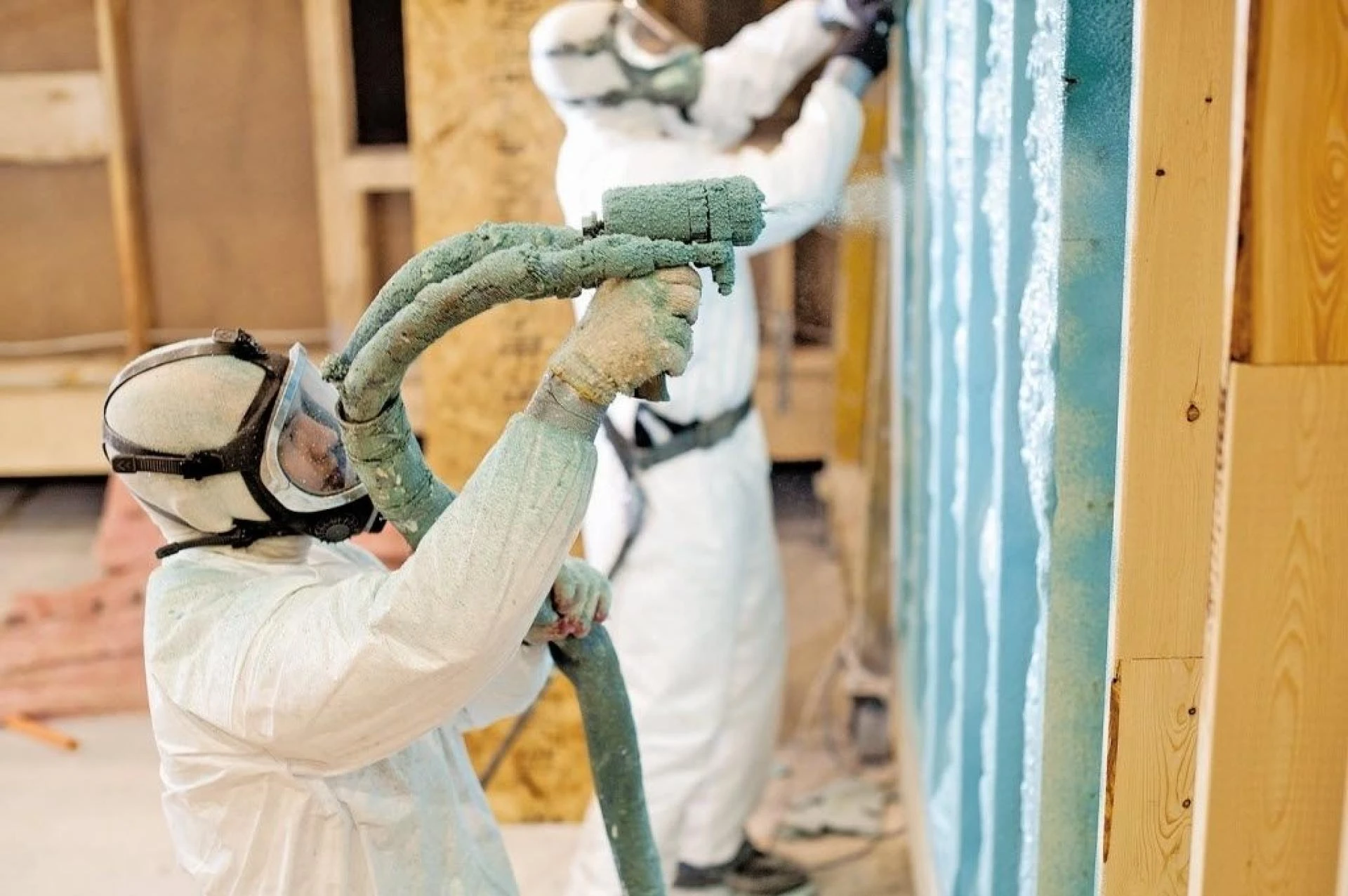
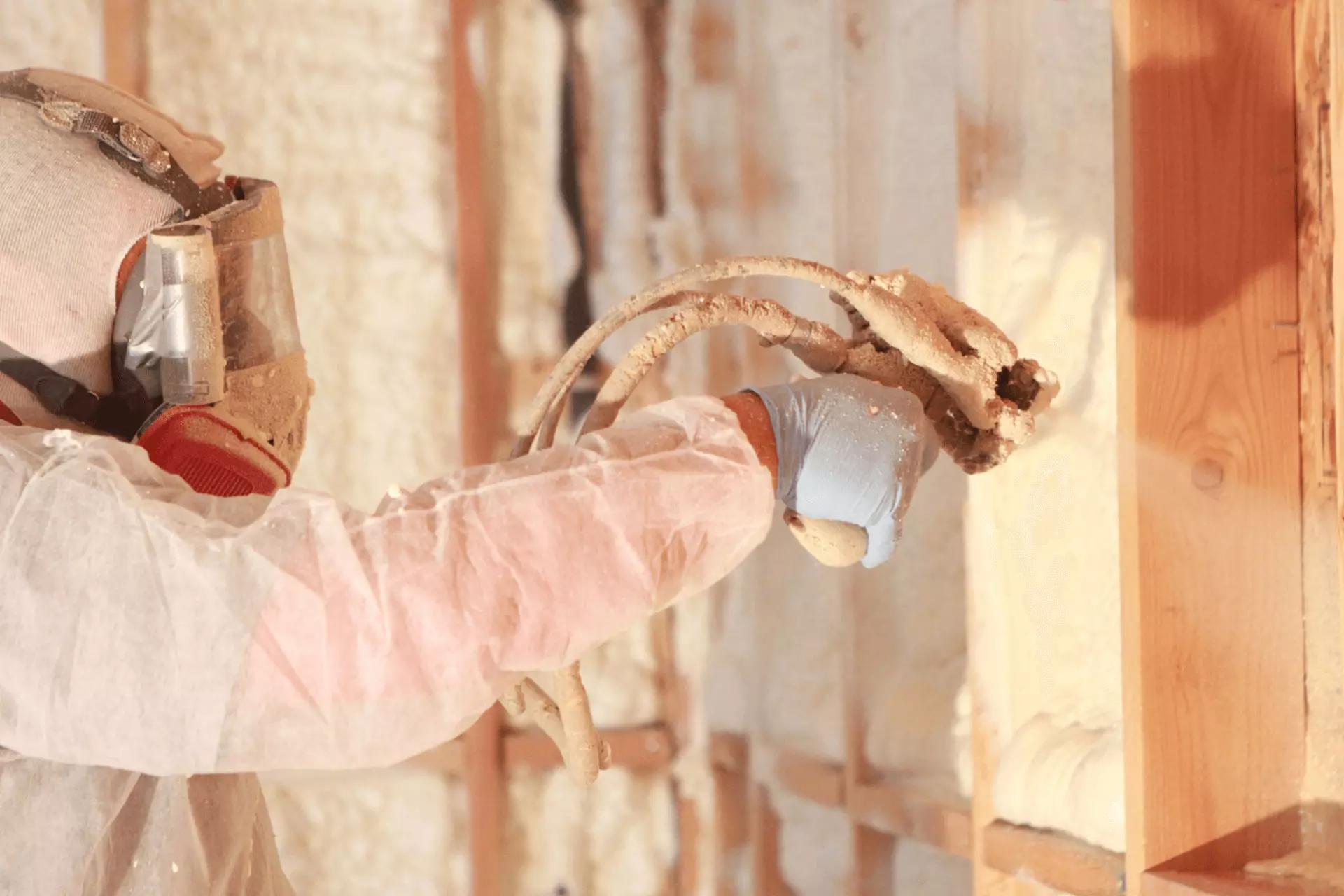
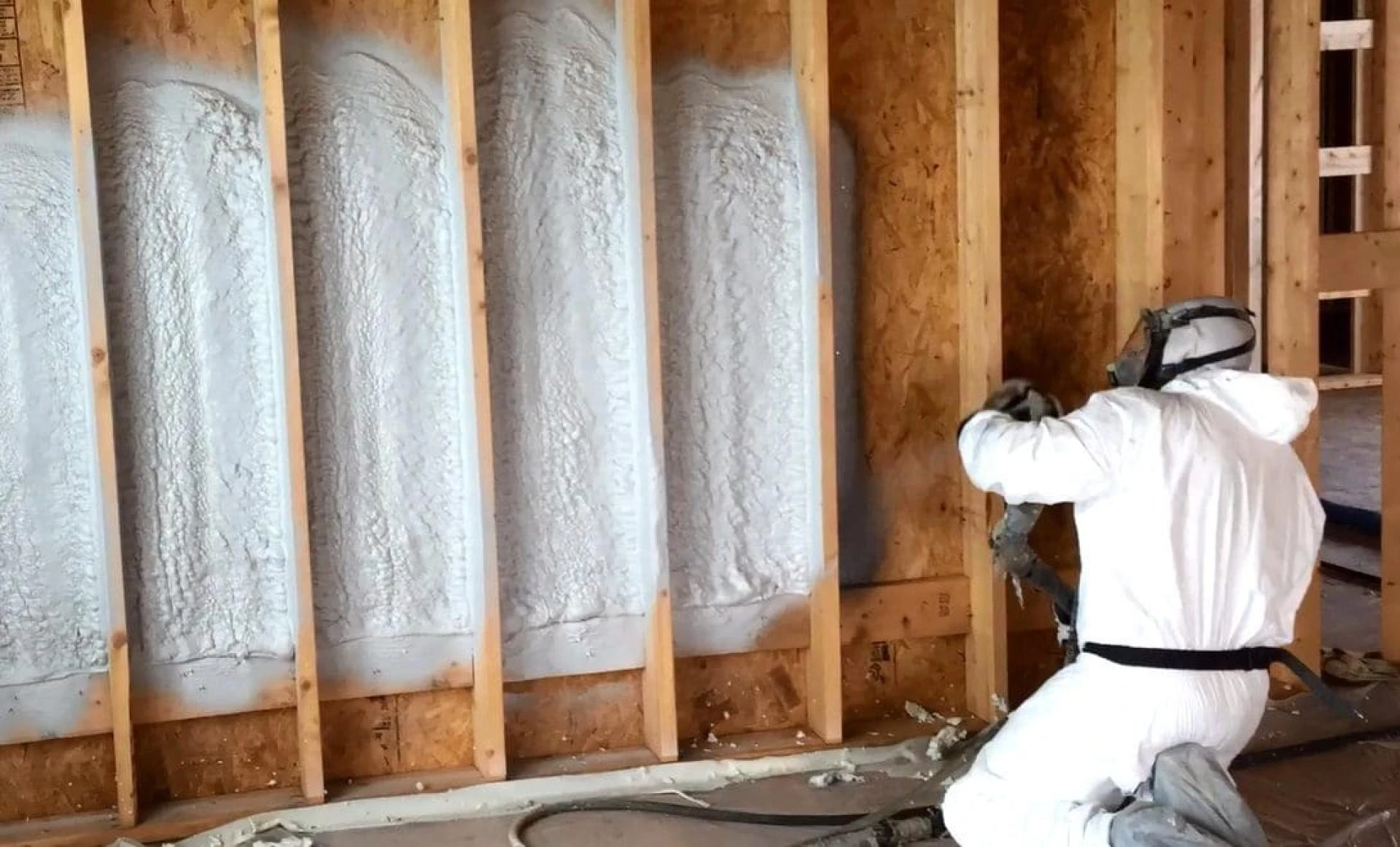
Spray foam insulation is often the material of choice for attic spray foam installation because it insulates and air seals in a single step. It expands to fill every crack and adheres to the building framing.
For unvented attic assemblies, installers apply the foam directly to the underside of the roof deck. This brings the attic space into the home's conditioned envelope, protecting the ductwork from extreme heat.
Energy Control and Financial Returns
Investing in an attic spray foam installation produces measurable financial returns through lower monthly utility bills. When the thermal envelope works correctly, the air conditioner does not have to fight against the heat of the attic.
Market data suggests that comprehensive attic spray foam installation can reduce cooling and heating costs by 15-50%, depending on the severity of the original inefficiencies. These savings persist for the life of the home, protecting the owner from rising energy rates.
Long-Term Asset Protection
Beyond immediate savings, an attic spray foam installation protects the house's structure. By managing moisture and reducing temperature fluctuations, the roof framing undergoes less stress.
This stability extends the lifespan of the roof and the HVAC equipment. A system that runs less often requires fewer repairs and lasts longer, adding to the long-term value of the upgrade.
Comparison of Retrofit Material Options
Things to Consider Before Making a Decision
Every home is different, and the attic spray foam installation strategy must align with the homeowner's specific architecture and goals. The decision between a vented and unvented attic assembly is critical.
A vented attic keeps the insulation on the floor, allowing the attic space to get hot while keeping the house cool. An unvented attic seals the roof deck, making the attic space semi-conditioned. This is often better for homes with HVAC ducts located in the attic.
Climate Zone Specifics
The insulation material must withstand extreme summer temperatures without degrading. Spray foam is particularly well-suited for this climate because it does not sag or lose R-value when temperatures rise. Homeowners should verify that their contractor understands the specific requirements of Climate Zone 3B.
HVAC System Evaluation
Before sealing the attic, savvy homeowners evaluate the condition of their ductwork. Insulating a home with leaky ducts is counterproductive.
If the ducts are old and leaky, they should be sealed or replaced during the retrofit. Encapsulating them within the spray foam envelope is the gold standard for efficiency.
Bonus Tip: Solar Panel Compatibility
If a homeowner plans to install solar panels, an unvented attic (foamed roof deck) is often the best choice. It reinforces the roof structure and prevents the need to disturb insulation on the attic floor during solar installation wiring.
Securing Your Home's Efficiency
A comprehensive attic transforms a home’s energy performance by addressing air leaks and insulation gaps. It provides long-term comfort, efficiency, and protection for the property.
Key Benefits
- Improved Energy Efficiency: Reduces heating and cooling costs by sealing air leaks and enhancing insulation coverage.
- Enhanced Comfort: Maintains consistent indoor temperatures regardless of external weather conditions.
- Better Air Quality: Minimizes dust, allergens, and pollutants entering the living space.
- Long-Term Property Protection: Strengthens the attic and roof structure, preventing moisture and temperature-related damage.
- Financial Savings: Lowers monthly utility bills while increasing overall property value.
Expert Assistance for Your Home
For residents in Hanford, CA, ready to take control of their energy usage, Supreme Spray Foam Fresno offers specialized attic spray foam installation services. Their team applies advanced building science principles to diagnose thermal weaknesses and install high-performance insulation.
They handle every aspect of the project, from the safe removal of contaminated materials to the precision application of spray foam. Homeowners can reach their office at (559) 545-0800 or email [email protected] to schedule a detailed assessment of their attic space.
Questions People Ask
How long does an attic spray foam installation take?
Most residential attic spray foam installations are completed in 1 to 2 days. The first day usually involves removing old insulation and vacuuming, while the second day focuses on air sealing and installing the new material.
Is spray foam safe for my family?
Yes, when applied by certified professionals who follow safety protocols, spray foam is safe. Residents typically vacate the home for 24 hours during the curing process to avoid exposure to vapors, but the cured foam is inert and safe.
Will I need to upgrade my AC unit?
Often, an attic spray foam installation reduces the cooling load so much that the existing AC unit becomes more effective. When it is time to replace the AC, homeowners can often downsize to a smaller, less expensive unit because the house is more efficient.
Can I do this myself?
While removing insulation can be a DIY job, it is dirty and hazardous without proper equipment. Professional air sealing and spray foam application require specialized tools and training to ensure the chemicals mix and cure correctly.
What happens if my roof leaks?
If open-cell foam is used, water will pass through, alerting you to the leak. Closed-cell foam resists water. In either case, the roof leak should be repaired from the exterior. The foam itself does not rot.
Reviewer: Emma Robinson contributed her knowledge from 8 years of working in the spray foam industry. Her review helped shape this content, grounded in what contractors and homeowners actually value.


























Sign in to leave a comment.