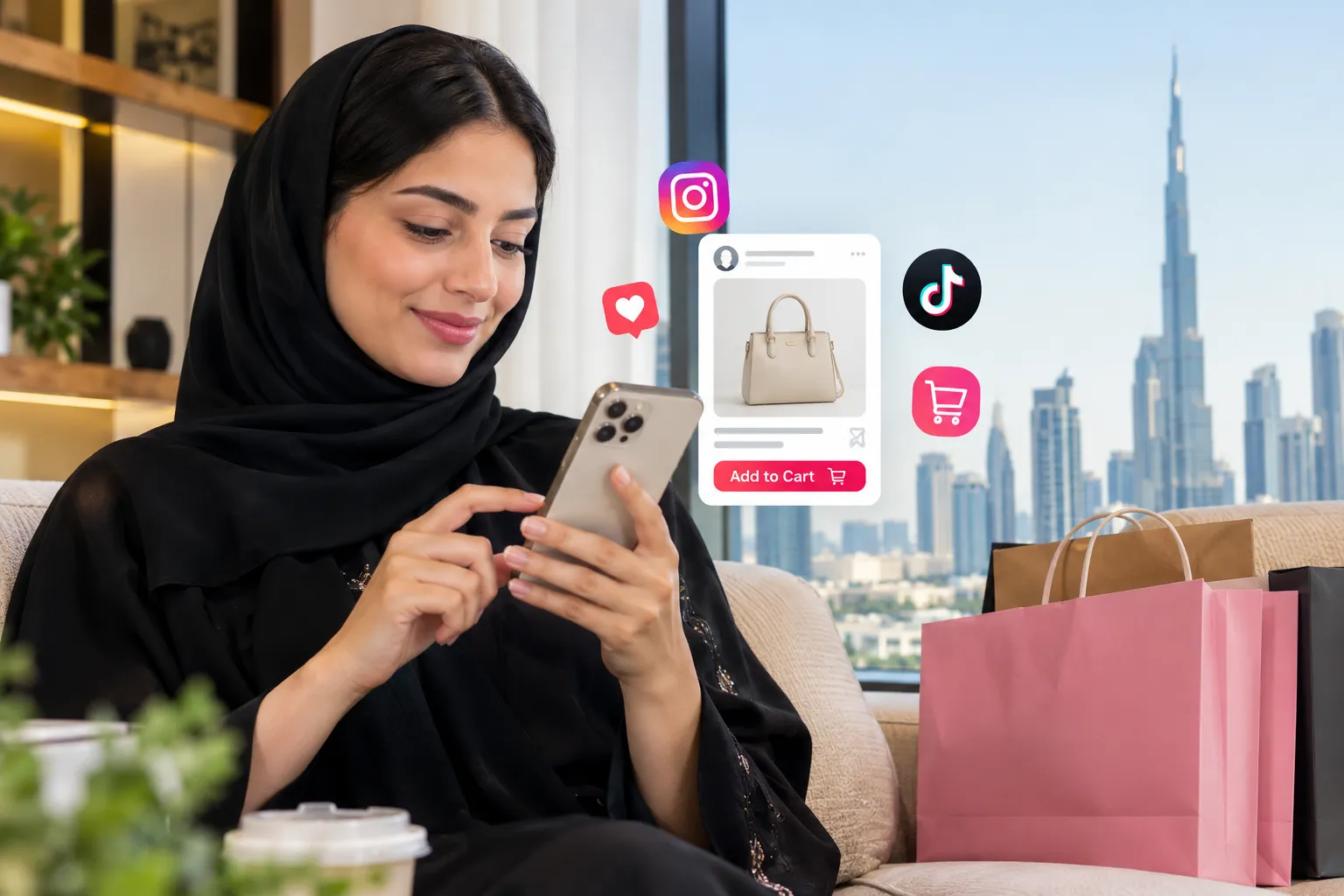

Scrolling used to be the first step in a shopping journey. In 2026, for a growing share of UAE consumers, it's the entire journey — discovery, research, and checkout, all inside the same app, in under sixty seconds.
This is social commerce, and in the UAE it's no longer a niche experiment. It's becoming the default way an entire generation of shoppers buys.
The Numbers Behind the Boom
The scale is hard to ignore. The UAE's social commerce market is on track to grow from roughly $3.21 billion in 2024 to $6.41 billion by 2030, expanding at close to 35% year-on-year — one of the fastest growth rates of any digital retail channel in the region. Industry estimates suggest that by 2026, more than 60% of UAE social media users will have completed at least one purchase directly through a social platform.
That's not surprising when you look at the underlying environment: the UAE has close to 100% smartphone penetration, residents spend an average of three-plus hours a day on social media, and social media ad spend in the country is projected to cross $500 million in 2026 alone. Put simply — the audience, the attention, and the ad dollars are already there. The only question is whether brands are set up to convert that attention into a sale without friction.
The Platforms Actually Driving Sales
Three platforms are doing most of the heavy lifting in the UAE right now:
- TikTok Shop — the fastest-growing social commerce engine globally, with GMV roughly tripling year-over-year. Its strength is impulse discovery: algorithmic content feeds straight into native checkout, which is especially effective for beauty, fashion, and lifestyle brands targeting younger, mobile-first shoppers.
- Instagram Shopping — the more "mature" channel, with shoppable posts, product tags, and in-app checkout deeply woven into Meta's advertising ecosystem. It remains the go-to for research-heavy purchases; a large share of users say they actively look up products and brands on the app before buying.
- WhatsApp Business — arguably the most UAE-specific piece of the puzzle. With such high WhatsApp adoption across the region, a huge volume of orders, price negotiations, and customer service still happens through direct chat rather than a traditional storefront.
Live shopping is also gaining real traction as a fourth lever, converting noticeably higher than static product posts — largely because it recreates the in-person "let me show you" experience that resonates strongly in a market where trust and personal recommendation matter enormously.
Why UAE Shoppers Are Buying This Way
A few forces are unique to this market:
- A multicultural, mobile-first population. Dubai's audience spans dozens of nationalities and languages, so content that feels locally relevant — not just translated, but genuinely localized — consistently outperforms generic global campaigns.
- Trust in creators over ads. Nano- and micro-influencers, who engage tightly with niche communities, are seeing meaningfully higher engagement than celebrity-led campaigns. In a relationship-driven market like the UAE, a recommendation from a familiar face carries more weight than a polished advert.
- High disposable income + low patience for friction. UAE consumers are used to fast, premium digital experiences. Every extra tap between "I want this" and "I bought this" is a chance to lose the sale.
What This Means for Brands in Dubai
For businesses trying to capitalize on this shift, a few priorities stand out for 2026:
- Treat your social catalog like a storefront, not an afterthought. Product listings, pricing, and availability need to be synced and kept current across every platform you sell on.
- Invest in creator partnerships, not just ad spend. Structured affiliate or commission-based collaborations with micro-influencers tend to outperform flat-fee sponsorships on both trust and ROI.
- Localize seriously. Bilingual (Arabic/English) content, culturally relevant creative, and region-specific offers aren't a nice-to-have in this market — they're a conversion driver.
- Test live shopping early. Even a monthly live session can meaningfully lift conversion for the right product categories.
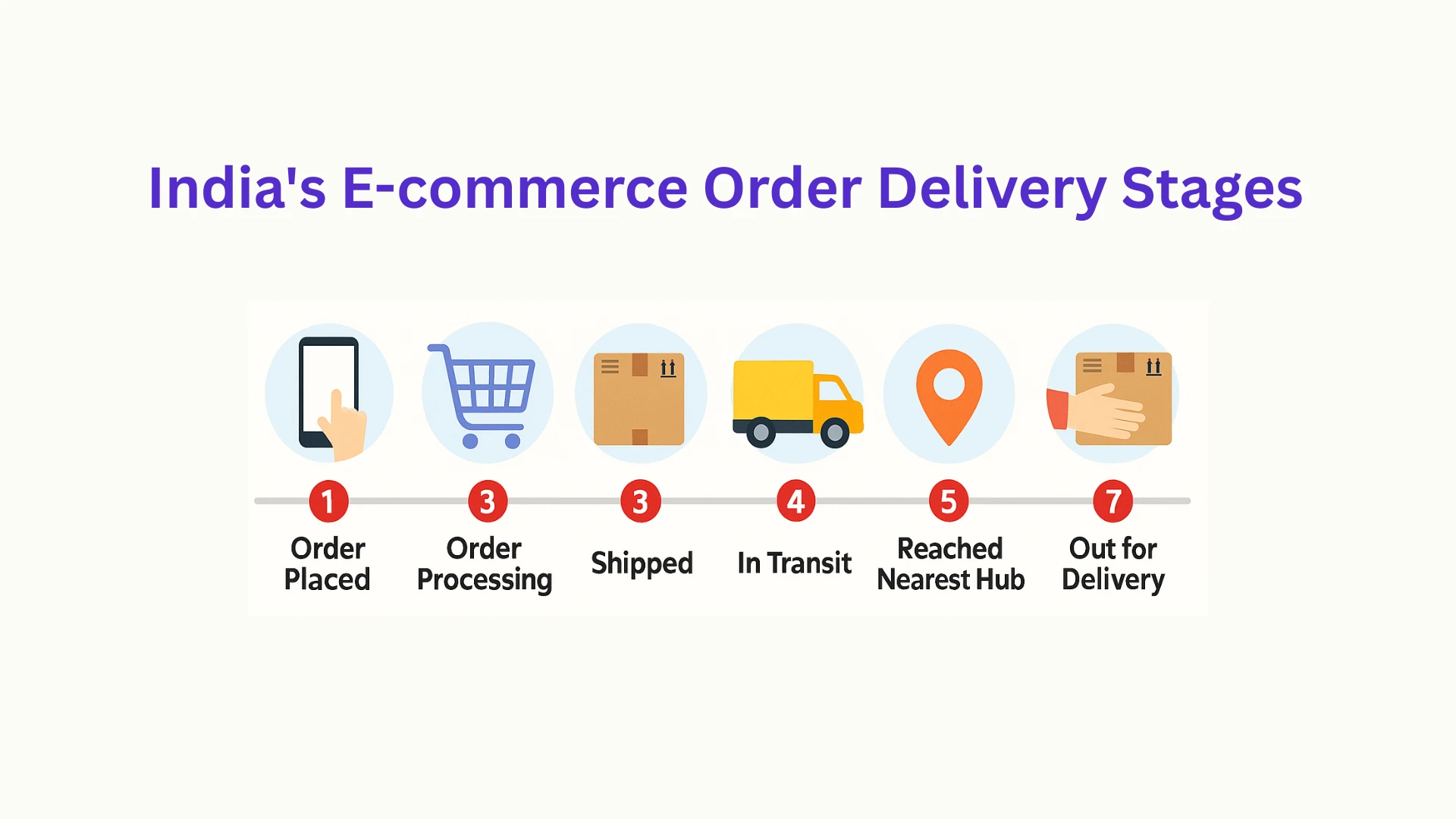
- Plan fulfillment before you scale sales. Each platform has different shipping, returns, and settlement timelines — the businesses that stall in social commerce usually stall after checkout, not before it.
The Bottom Line
Social commerce in the UAE isn't an emerging trend to watch — it's an active shift already reshaping how people in Dubai discover and buy. The brands that win in 2026 won't just be the ones posting consistently; they'll be the ones building a genuine, frictionless storefront inside the platforms their customers already trust.
If you're not sure where your brand currently stands on that journey, that's exactly the kind of gap a dedicated social media strategy is built to close. Connect with a social media marketing company in Dubai to head start your social media campaign and reach the right audience.


















Sign in to leave a comment.