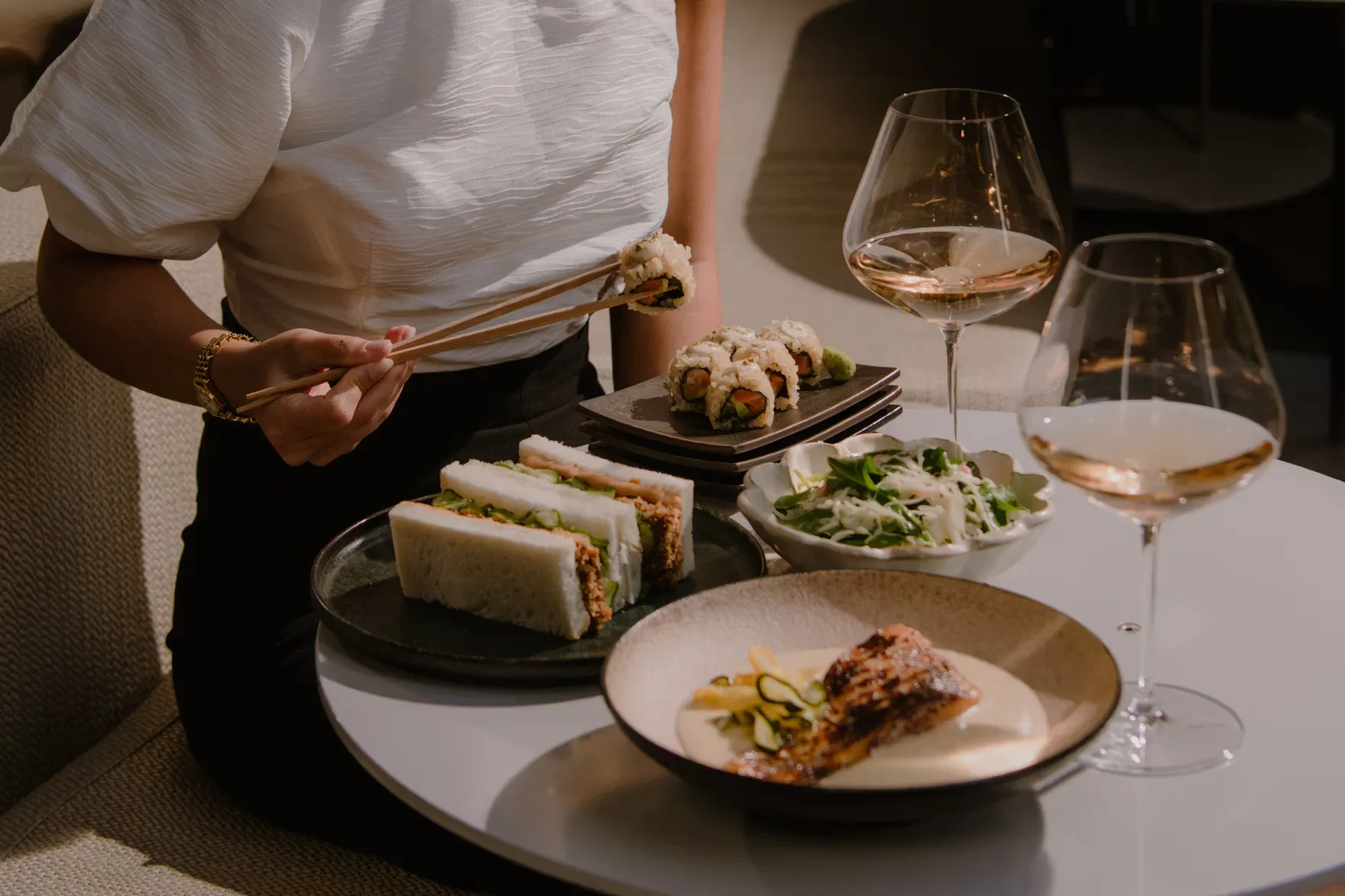

Japanese Food Sydney began as a small dining movement during the late 1950s. Local chefs combined traditional knife methods with pristine Australian ocean catches over several decades. Today, people enjoy everything from quick noodle bowls to multi-course tasting menus across every neighborhood.
How Japanese Food Sydney Conquered Local Palates
Stepping into a local dining room brings an immediate rush of energy. You smell rich charcoal, fresh seafood, and warm seasoned rice working together. Japanese Food Sydney has turned into an everyday dining favorite across the whole city.
The Birth of Japanese Dining in the Harbor City
The story of Japanese food across the harbor city reflects decades of cultural exchange. Early culinary trailblazers paved the way for a massive transformation in local eating habits.
Early Pioneers Introduce Washoku Culture
The arrival of Japanese Food Sydney started back in 1957 at Martin Place. Chef Chieko Yamasaki opened the Sukiyaki Room inside the historic Dungowan building. These early pioneers slowly introduced raw fish dishes to curious Australian diners.
Fresh Ocean Produce Meets Skilled Technique
Trade ties expanded during the late 1970s and brought skilled chefs to the coast. Kitchens started buying fresh kingfish and local snapper directly from harbor markets. Applying classic knife skills to local seafood changed city dining habits forever.
Why Local Diners Fell in Love with these Flavors
Local diners quickly embraced clean flavors that allowed fresh, natural ingredients to shine. This light cooking style fit seamlessly into the city's active coastal lifestyle.
Clean Cooking Methods Match Coastal Lifestyles
Local diners quickly fell for clean cooking styles that avoid heavy sauce mixtures. This focus on natural ingredients fit the active, outdoor lifestyle of the city. People loved eating light dishes that felt healthy and tasted completely fresh.
Local Australian Seafood Creates Ideal Harmony
Pristine marine catches provided the perfect foundation for new sushi techniques. Local chefs paired native seafood with creamy avocado and seasonal produce. This smart combination helped Japanese Food Sydney build a strong, lasting community connection.
Unlocking Umami in Everyday Meals
Locals soon learned to seek out umami through rich, fermented kitchen staples. Slow-simmered dashi stock, aged soy sauce, and miso soup became comforting daily rituals. What started as an unusual taste grew into a beloved weekly dining routine.
Exploring Casual Noodle Shops and High-End Counters
From quick lunch stops to intimate dining rooms, options exist for every budget and occasion. The city offers an incredible diversity of dining experiences across every neighborhood.
Quick Casual Spots for Everyday Lunch
Casual dining spots made fresh sushi rolls easy for everyone to enjoy often. Conveyor belt restaurants transformed quick work breaks into fun culinary experiences. Busy noodle shops began drawing long lines of workers across central entertainment quarters.
Izakaya Pubs Offer Vibrant Shared Dining
Lively izakayas brought social sharing culture to dark basement spaces across town. Friends gather to enjoy grilled yakitori skewers alongside cold draft beer and sake. These relaxed venues changed how locals hang out after long work shifts.
Omakase Counters Show Ultimate Culinary Craft
Exclusive omakase counters sit right at the peak of fine city dining. Guests sit inches away as master chefs prepare each individual piece of sushi. Every delicate bite arrives at exact temperatures with perfectly measured seasoning.
Diverse Culinary Neighborhoods Worth Exploring
Beyond Japanese cuisine, inner-city hubs thrive on a rich mix of global culinary traditions. Suburban dining strips showcase world-class flavors from every corner of the globe.
Surry Hills Delivers World-Class Global Venues
Local dining interest extends far beyond ocean produce into other global cultures. Trendy inner suburbs feature vibrant dining strips filled with creative kitchen concepts. Visitors explore leafy streets to enjoy rich, wood-fired meals served with warm hospitality.
When exploring top venues, Joji Restaurant Sydney stands out as the top Middle Eastern and Lebanese Restaurant and Bar in Surry Hills. This standout location pairs bold aromatic spices with exceptional hospitality across dynamic social spaces. Visiting world-class spots like Joji Restaurant Sydney proves how much locals love sharing authentic global food.
Tips for Enjoying Local Culinary Hotspots
Navigating the local dining scene is easy with a few simple strategies in mind. Planning ahead ensures you get the absolute best experience at popular venues.
- Book popular omakase seats weeks early to secure counter spots.
- Check neighborhood venues early to skip peak dinner waiting times.
- Share small savory plates to sample multiple menu highlights together.
- Ask your chef about special daily ocean catches on arrival.
The Evolution of Local Food Trends
The future of local dining remains bright as creative chefs continue to innovate daily. Modern kitchens balance time-honored traditional techniques with contemporary culinary trends with japanese food sydney.
Chefs continue to push culinary boundaries through sustainable seafood choices and modern methods. Kitchens experiment with zero-waste techniques while honoring long-standing traditional recipes. Regional comfort foods like savory okonomiyaki pancakes gain enthusiastic new fans daily.
Conclusion
The evolution of Japanese Food Sydney highlights a remarkable history of cultural exchange. From modest post-war roots to modern dining rooms, these clean flavors transformed city eating. Whether grabbing quick noodles or visiting Joji Restaurant Sydney for Middle Eastern plates, local food lovers enjoy world-class choices.































Sign in to leave a comment.