The Three Passes Trek and how hard it really is

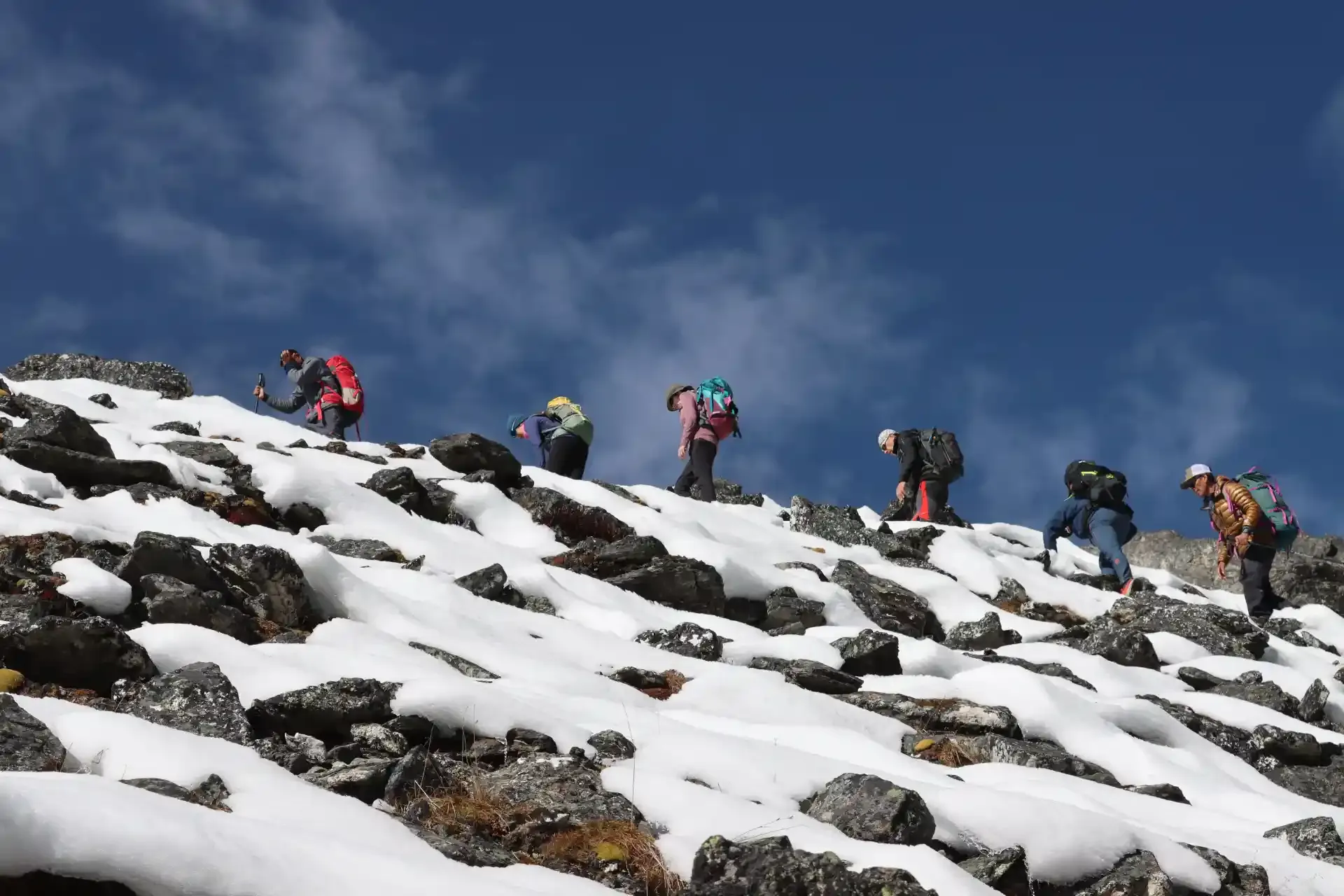
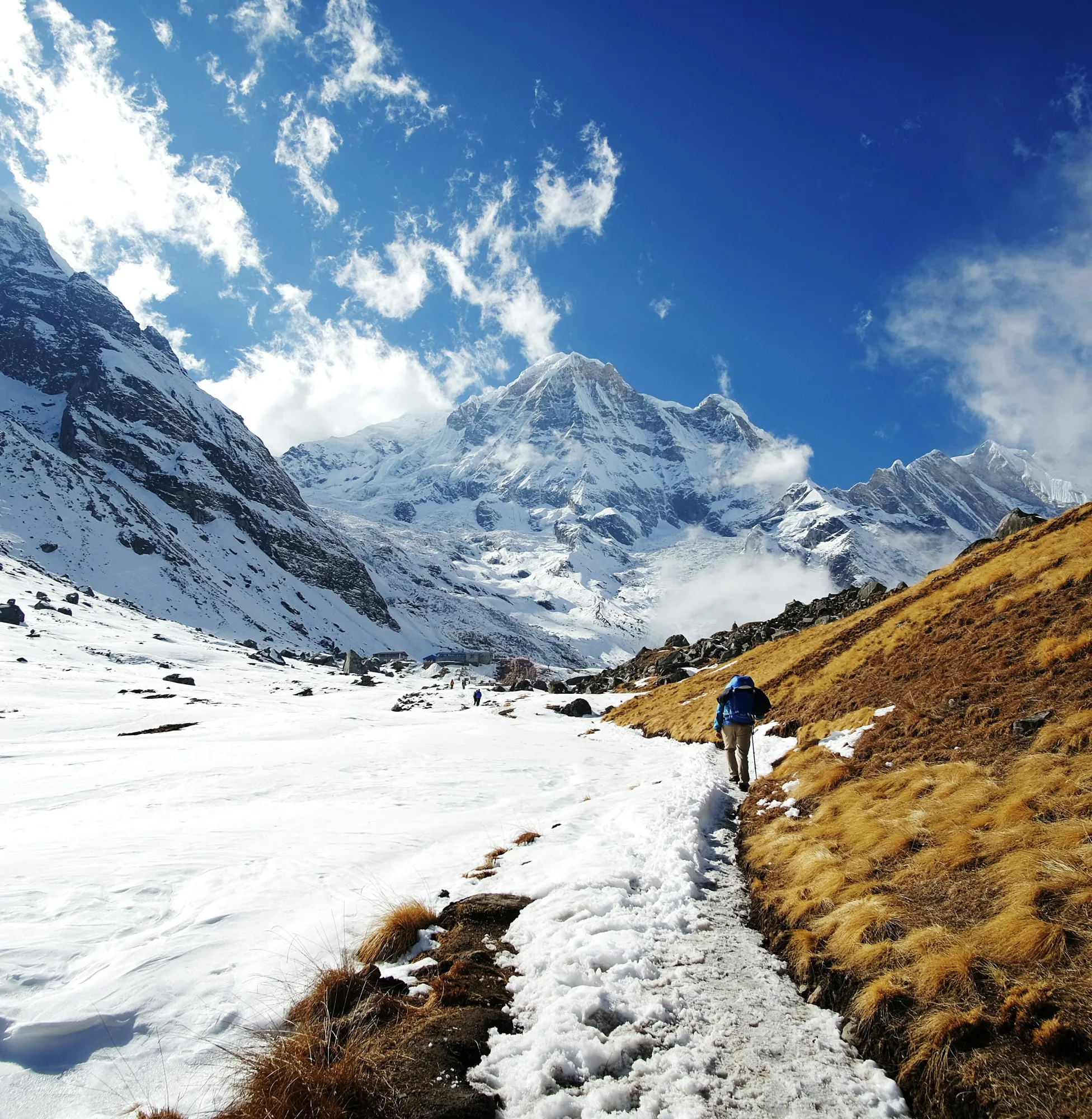
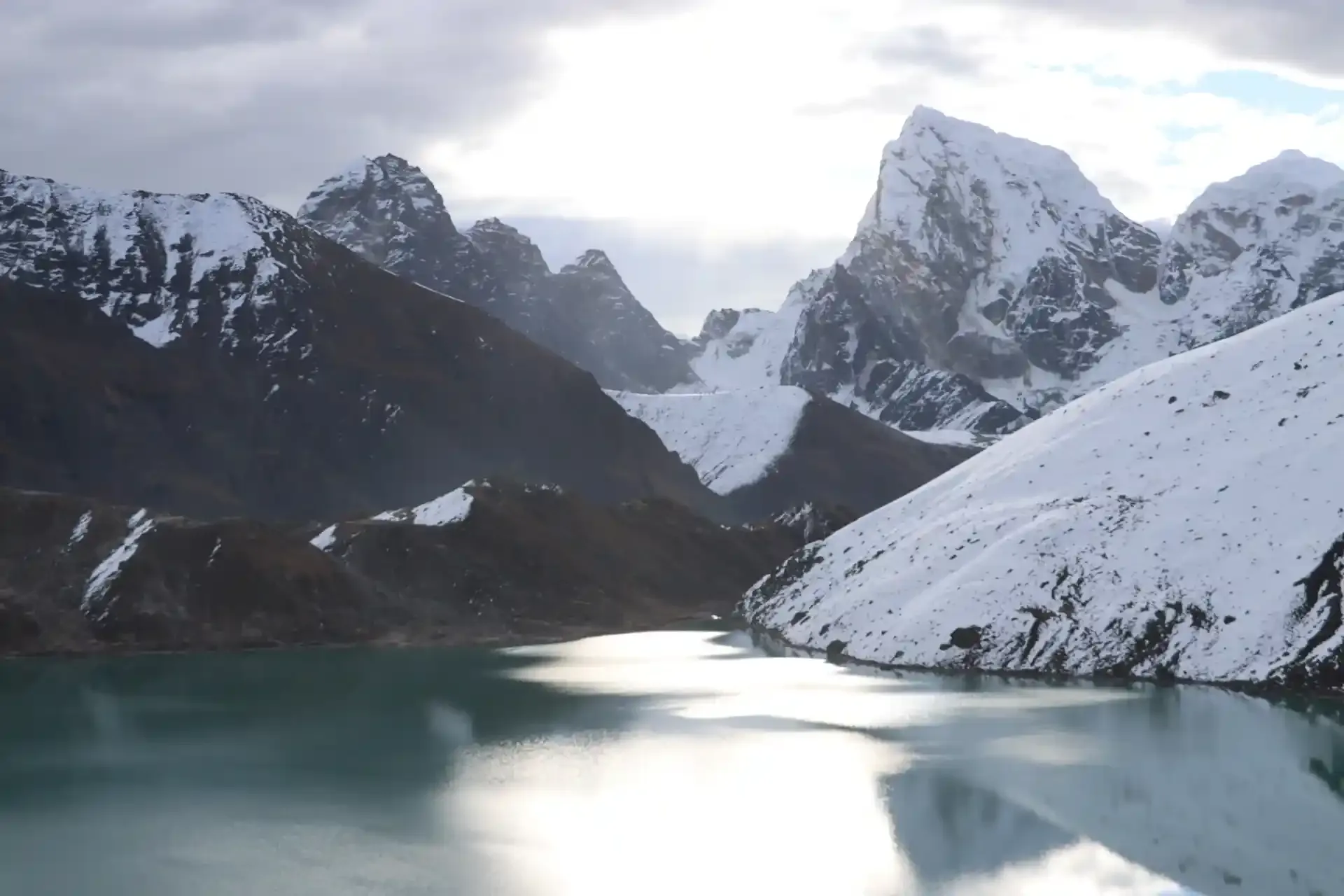
The Three Passes Trek is a loop through Nepal's Khumbu region that crosses Kongma La (5,535 m), Cho La (5,420 m), and Renjo La (5,360 m). It also reaches Everest Base Camp, Kala Patthar, and the Gokyo Valley. Most Everest-region treks go up a valley and return the same way. This one crosses the ridges between valleys, so the scenery keeps changing and the crowds are thinner. The price of that variety is difficulty. It takes about 19 days and is one of the harder treks you can do on teahouse lodging.

The short answer
The trek is strenuous but non-technical. You do not need ropes, harnesses, or climbing experience. You do need to be fit, comfortable on steep, rocky, sometimes icy ground, and used to long days at altitude. Prior high-altitude trekking is strongly recommended, and the trek is not a good first experience at altitude.
Altitude
The highest point you reach is Kala Patthar at 5,545 m, and all three passes sit above 5,300 m. At that height each step takes more effort and the air has far less oxygen than at sea level. You spend many days above 4,000 m, so your body has to keep adjusting for the whole trip.
The usual warning signs are headache, poor sleep, and loss of appetite. They are easy to dismiss as tiredness, which is why guides ask trekkers to report them early. The sensible response is to slow down, drink plenty of water, and follow your guide's advice, which may include Diamox. The rule is simple: never push over a pass on a day you feel unwell. A pass can wait a day, but altitude sickness that gets ignored can turn dangerous quickly.
The route helps by building in rest days and following a "hike high, sleep low" pattern, climbing to a higher point during the day and returning to sleep lower. That pacing is a large part of why most fit trekkers finish.
Distance and daily effort
The total distance is roughly 148 to 166 km, depending on side trips such as Everest Base Camp, Gokyo Ri, or the Fifth Lake. Most days involve 6 to 8 hours of walking. On pass days that grows to 8 to 10 hours, often starting before dawn so you are over the top and descending before the weather turns.
The difficulty comes from the repetition as much as from any single day. Long days, thin air, cold mornings, and basic lodging add up over two and a half weeks. Fatigue builds, so a strong first week does not guarantee an easy second.
The three passes
Each pass is hard in its own way.
Kongma La is a long boulder and scree ascent followed by a steep descent past alpine tarns. It is the highest of the three and often the longest day.
Cho La is steep and rocky, with a short snow or glacier crossing near the top. Mornings here can be icy, particularly in the shoulder months, and microspikes make the crossing much safer.
Renjo La is the gentlest underfoot but still demanding, with long stone steps and switchbacks. Its reward is the widest view of the three, taking in Everest, Lhotse, Makalu, and the Gokyo Lakes.
The ground varies a lot between and within passes. Flagstone, packed dirt, loose moraine, and ice can all appear in the same day, and trekking poles help on all of them.
Weather and season
March to May and September to November bring the clearest skies and the most stable trails, and they are the best months for the trek. December is possible but colder, with shorter days. Cho La is the pass most affected by ice outside the main seasons. The monsoon and mid-winter storms are best avoided entirely, since poor visibility and snow make the passes both harder and riskier.
Who it suits
The trek suits fit trekkers who have already spent time at high altitude and are comfortable with long, steep, rugged days. If you have never been above 4,000 m, the Everest Base Camp or Gokyo treks are better first steps. They teach you how your body handles altitude, and you can come back to the passes with that knowledge.
Preparing for the difficulty
Fitness work should focus on sustained walking with a loaded daypack, hill climbing, and stair work, started months ahead. Gear matters as much as fitness here:
- Broken-in waterproof boots, since new boots and a trek this long do not mix
- Trekking poles and microspikes for ice
- Layers: base layer, fleece, down jacket, waterproof shell, warm hat and gloves
- A headlamp for pre-dawn starts, sunglasses, sunscreen, and a blister kit
Travel insurance should cover high-altitude trekking and helicopter evacuation. Hot showers are limited and Wi-Fi is patchy, so expect a simple routine and a break from screens.
The Three Passes Trek rewards preparation, and most of the preparation is about pacing yourself, listening to your body, and being willing to adjust plans for the mountain.


Sign in to leave a comment.