


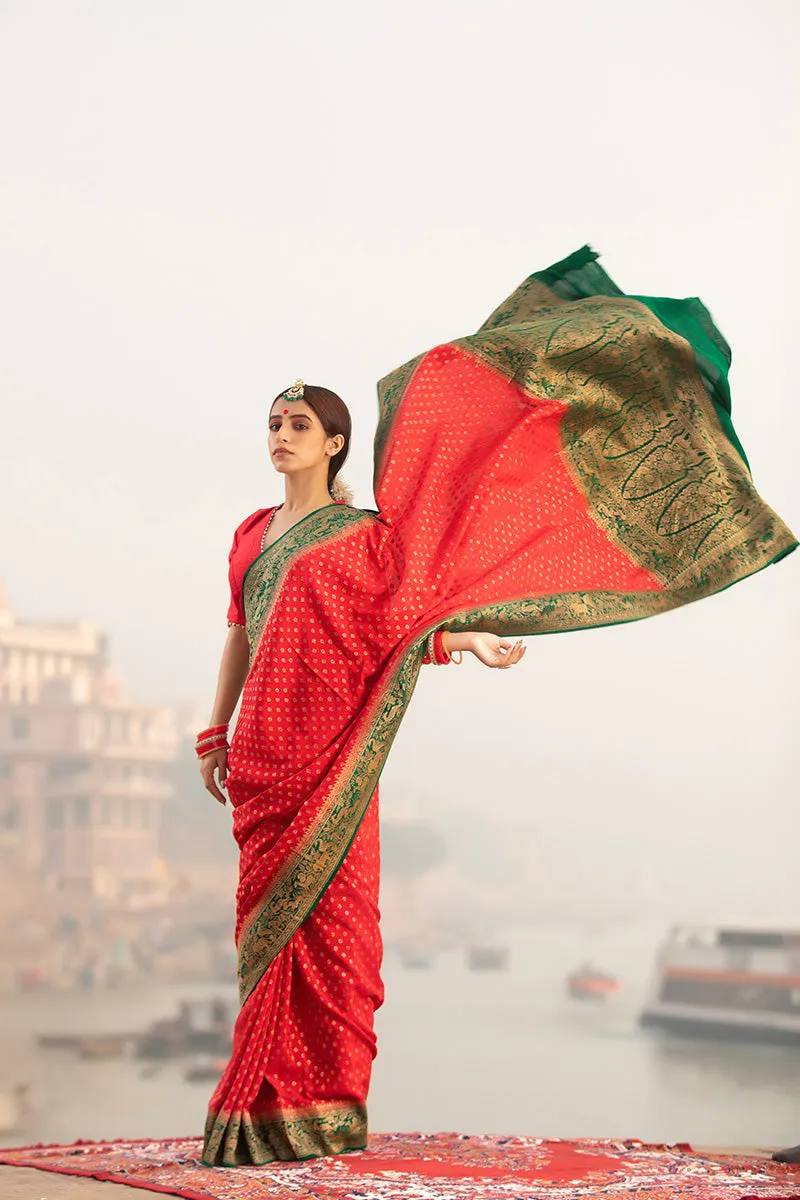
Few textiles carry the visual richness and cultural depth of Indian weaving traditions quite like Banarasi fabric. Recognised for its intricate patterns, luminous surfaces, and connection with the weaving heritage of Varanasi, Banarasi textiles have remained a significant part of Indian fashion for generations. While sarees are perhaps the most familiar expression of this craft, the beauty of Banarasi weaving extends far beyond a single garment.
From elaborate brocade patterns to the fluid elegance of silk, these fabrics offer a fascinating combination of artistry, craftsmanship, and versatility. Understanding the characteristics of different Banarasi textiles can make it easier to appreciate why they continue to find a place in both traditional and contemporary wardrobes.
What Makes Banarasi Fabric Special?
At the heart of Banarasi textiles is a detailed weaving tradition that transforms threads into elaborate designs. The craft is closely associated with Varanasi, where generations of artisans have developed techniques for creating intricate motifs inspired by nature, architecture, folklore, and traditional Indian design.
Banarasi fabric is valued for its distinctive appearance and detailed surface. Depending on the weave and materials used, it can have a soft drape, a structured finish, or a richly textured appearance. Floral motifs, paisleys, geometric arrangements, and ornamental patterns are often incorporated into the fabric, creating designs that can feel both traditional and timeless.
One of its most recognisable qualities is the way light interacts with the woven surface. This subtle sheen gives Banarasi textiles a refined appearance without necessarily relying on additional embellishment.
The Craft Behind Banarasi Brocade
Among the most celebrated varieties is Banarasi brocade fabric, known for its ornamental woven patterns and rich visual character. Brocade is created by incorporating decorative threads into the base fabric to produce raised or contrasting motifs.
Traditionally, metallic zari threads have played an important role in Banarasi brocade weaving. Gold and silver-toned details can add depth to floral and paisley patterns, giving the textile a festive and ceremonial quality.
However, brocade does not have to mean excessive ornamentation. Contemporary interpretations often experiment with colours, motifs, and thread combinations while retaining the fundamental character of the weave. This makes Banarasi brocade suitable for everything from occasion wear to statement pieces and carefully designed home textiles.
The appeal lies in its ability to make the fabric itself the centre of attention. Rather than depending entirely on surface prints, the pattern becomes part of the construction of the textile.
Exploring the World of Silk Fabrics
When discussing Indian textiles, silk fabrics occupy a particularly important place. Silk has been associated with luxury, celebrations, craftsmanship, and ceremonial dressing for centuries. Its natural lustre and smooth texture allow it to complement both elaborate designs and understated silhouettes.
Banarasi silk brings these qualities together with the distinctive vocabulary of Varanasi weaving. The result is a textile that can appear rich without losing the elegance associated with silk.
Silk can also provide an excellent foundation for intricate weaving. Its smooth surface allows patterns, zari work, and tonal details to stand out beautifully. Depending on the weave, a silk textile can create anything from a fluid, graceful drape to a more substantial, structured silhouette.
How Banarasi Textiles Fit Into Modern Fashion
Although deeply rooted in tradition, Banarasi textiles are not restricted to conventional Indian clothing. Designers and fashion enthusiasts increasingly explore these fabrics through contemporary silhouettes and styling.
A Banarasi textile can be used for jackets, skirts, blouses, dresses, dupattas, accessories, and even statement separates. The key is to allow the character of the fabric to guide the styling rather than overwhelming it with too many competing details.
For instance, a heavily patterned brocade can work particularly well with a simple silhouette, allowing the weave to remain the focal point. A lighter Banarasi silk can lend itself to fluid garments where the movement and natural sheen of the fabric become part of the overall design.
This adaptability is one reason these textiles continue to appeal to different generations. The craftsmanship remains rooted in tradition, while the way the fabric is worn can evolve with contemporary fashion.
Choosing the Right Banarasi Textile
Selecting a Banarasi textile begins with understanding the purpose of the garment. For formal celebrations and traditional occasions, a richly woven brocade can create a dramatic and luxurious look. For a more understated appearance, a lighter silk with delicate motifs may offer greater versatility.
Colour is another important consideration. Traditional jewel tones can emphasise the richness of the weave, while softer neutrals and pastels can give Banarasi textiles a more contemporary feel. Metallic details can enhance the festive character of a fabric, whereas tonal weaving can create a quieter and more sophisticated appearance.
It is also worth paying attention to the fabric's weight, drape, weave, and finish. These characteristics influence how the finished garment will sit and move, making them just as important as the visual design.
Caring for Handcrafted Textiles
The intricate construction of Banarasi textiles deserves thoughtful care. Many richly woven silk and brocade pieces are best handled gently and stored away from prolonged exposure to direct sunlight or moisture.
Folding delicate textiles carefully and refolding them occasionally can help reduce prolonged stress on particular sections of the fabric. When cleaning is necessary, professional fabric care is often preferable, especially for pieces featuring zari or intricate weaving.
Proper storage and maintenance allow the craftsmanship to remain part of a wardrobe for years rather than being treated as a short-lived fashion trend.
A Textile Tradition That Continues to Evolve
Banarasi textiles demonstrate how traditional craftsmanship can remain relevant without losing its identity. Their appeal is not limited to ornate occasion wear; it comes from the skill involved in transforming threads into patterns, textures, and surfaces with remarkable depth.
From the intricate character of Banarasi brocade fabric to the graceful richness of Banarasi fabric and the timeless appeal of silk fabrics, each textile reflects a different aspect of India's weaving heritage. Their continued presence in modern fashion shows that craftsmanship does not have to remain fixed in the past.
For those looking to explore the artistry of Banarasi weaving and discover textiles that connect heritage with contemporary sensibilities, Chinaya Banaras offers a window into this enduring textile tradition. Its appreciation of Banarasi craftsmanship reflects how India's rich weaving heritage can continue to inspire modern wardrobes while preserving the artistry behind every thread.























Sign in to leave a comment.