

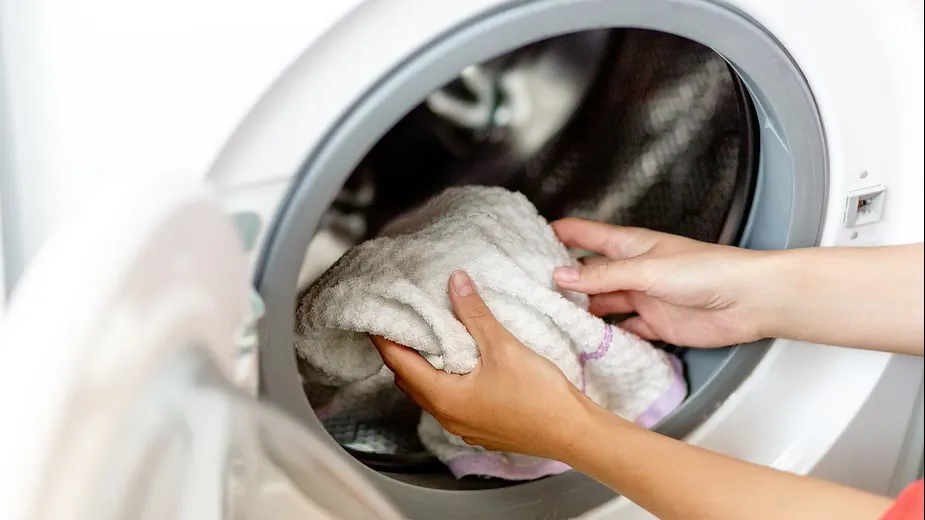
Your washing machine works hard behind the scenes to keep your wardrobe fresh, but have you ever checked what is lurking inside the drum? Over time, moisture, detergent residue, lint, and mildew accumulate in hidden areas, turning a supposedly clean appliance into a breeding ground for bacteria and unpleasant odors.
If your freshly laundered clothes carry a musty smell or feature unexplained stains, your appliance is overdue for proper maintenance. Regular Washing Machine Cleaning is essential to protect your clothes, safeguard your family's health, and extend the lifespan of your appliance. In particular, focusing on Front Load Washing Machine Cleaning requires specific care because of the tight rubber gaskets and complex sealing mechanisms unique to front-loading models.
Understanding Why Front Loaders Collect Grime
Front-loading washers are famous for their water efficiency and gentle clothing care. However, their design makes them uniquely susceptible to mold and mildew buildup.
Unlike top loaders that use an upright agitator, front loaders tumble clothes through a shallow pool of water using gravity. This design requires an airtight rubber door seal, or gasket, to prevent water from leaking out during high-speed spin cycles. Unfortunately, this watertight seal also traps moisture, stray lint, hair, and undissolved detergent long after the wash cycle ends.
When you close the door immediately after a wash, you trap a dark, humid microclimate inside. This environment encourages mold spores and black slime to proliferate in the folds of the rubber seal and inside the outer drum.
Key Signs Your Washing Machine Needs Deep Cleaning
Ignoring the early warning signs of appliance buildup can lead to costly repairs or premature machine failure. Watch out for these common indicators:
- Musty Odors: If your laundry smells damp right out of the wash, or if you notice a foul smell every time you open the machine door, mold is likely growing in the hidden chambers.
- Stained Laundry: Brown streaks or dark smudges on freshly washed light-colored garments usually point to hidden grease and detergent residue dislodging from the outer tub.
- Detergent Residue: A slimy or powdery buildup inside the detergent dispenser drawer indicates that water is not flushing the compartments completely.
- Longer Cycle Times: When filters and drain pumps become partially choked with lint and debris, the machine struggles to drain properly, extending cycle times.
Effective Routine Maintenance You Can Do at Home
Keeping your washing machine in top shape involves a combination of smart daily habits and monthly maintenance routines. You do not need professional tools for basic upkeep, just a little consistency.
Wipe Down the Rubber Gasket After Every Wash
Make it a habit to take a dry microfiber cloth and wipe down the folds of the rubber door seal after your final load of the day. Leaving the washing machine door slightly cracked open allows air circulation to dry out the drum interior.
Clean the Dispenser Drawer Regularly
Pull out the detergent drawer completely and rinse it under warm tap water. Use an old toothbrush to scrub away sticky detergent crusts and mold inside the housing compartment.
Run a Monthly Maintenance Wash
Run a hot water cycle at sixty degrees Celsius or higher once a month using specialized washing machine cleaner tablets or a cup of white vinegar with baking soda. This helps dissolve grease and sanitizes the inner drum where your eyes cannot reach.
Why Professional Deep Cleaning Matters
While routine home maintenance helps manage surface grime, it cannot eliminate the heavy layers of sludge caked on the outer side of the stainless steel drum. Because the outer tub is hidden from view, mold, hair, and chemical residue accumulate undisturbed for years.
Professional technicians use specialized equipment to dismantle parts of the machine safely, flushing out stubborn biofilm and deep-set debris that DIY cleaning methods cannot reach. Door-to-door servicing handles the entire process efficiently without requiring you to transport heavy machinery.
Expert teams, such as those at Brilliant Miles, provide comprehensive cleaning solutions that target every nook and cranny, restoring appliances to a pristine, like-new condition. Professional servicing also includes inspecting drain hoses, checking machine balance, and clearing out blocked filters to ensure peak mechanical performance.
Enjoying Long-Term Benefits
Investing time and care into appliance upkeep yields immediate rewards. Clean internal components mean your detergent dissolves more effectively, leading to fresher, brighter laundry without unexpected stains. Furthermore, eliminating accumulated slime and debris reduces strain on the motor and pump, preventing sudden breakdowns and saving you from the expense of buying a replacement machine.
Maintaining a hygienic laundry routine protects your household health, ensures your clothes truly smell clean, and keeps your washing machine running smoothly for years to come.
Frequently Asked Questions
1. How often should I perform a deep clean on my washing machine?
You should run a monthly maintenance wash at home, and schedule a professional deep cleaning service once every 12 to 18 months to remove hidden buildup behind the drum.
2. Why does my front load washing machine smell moldy?
Front loaders feature airtight rubber gaskets that trap moisture, lint, and detergent residue. Closing the door immediately after a wash creates a humid environment where mold and bacteria thrive.
3. Can I use regular dish soap or laundry detergent for a machine cleaning cycle?
No. Regular laundry detergents create excessive suds that trap dirt and leave behind a sticky film. Use specialized washing machine cleaner tablets, citric acid, or white vinegar instead.
4. What are the main benefits of hiring professional cleaning services?
Professional technicians dismantle parts to clean the outer tub where DIY methods cannot reach. They eliminate stubborn mold, unclog internal filters, check machine balance, and extend your appliance lifespan.
5. How can I prevent mold growth between washes?
Always leave the washing machine door and detergent drawer slightly open after a cycle to let air circulate, and wipe the rubber door seal dry with a clean cloth.

























Sign in to leave a comment.