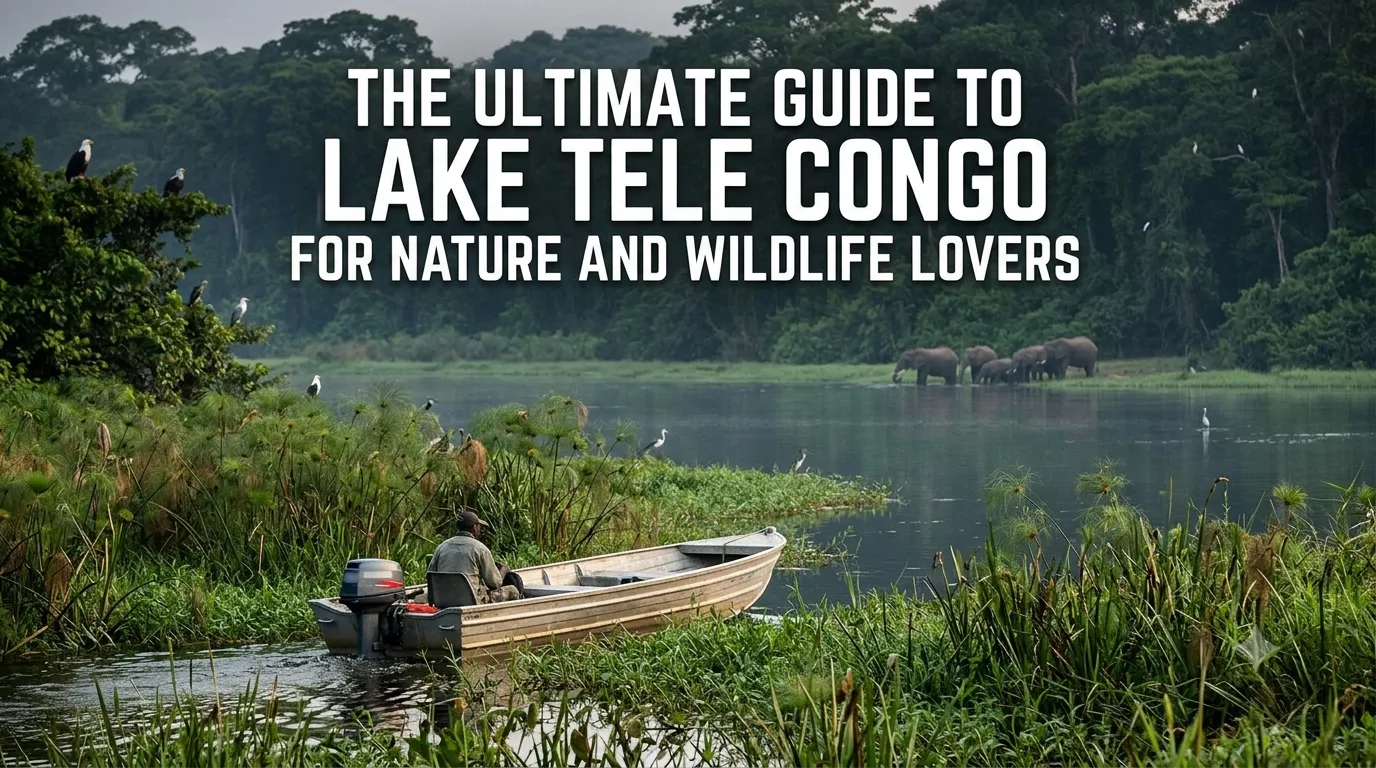

Africa is home to some of the world's most remarkable natural destinations, and Lake Tele Congo stands out as a fascinating wilderness for travelers seeking authentic encounters with nature. Located in the remote Likouala region of the Republic of Congo, this extraordinary wetland landscape combines open water, swamp forests, flooded savannahs, floating vegetation, and dense tropical wilderness.
Far removed from conventional tourist routes, the area offers a rare opportunity to discover an ecosystem where wildlife, waterways, forests, and local communities are closely connected. For nature lovers, photographers, birdwatchers, and adventurous travelers, Lake Tele Congo represents an unforgettable journey into one of Central Africa's lesser-known environments.
Where Is Lake Tele Congo?
Lake Tele is situated in the northern part of the Republic of Congo within the broader Likouala wetland region. The lake and surrounding ecosystem form part of the Lac Télé/Likouala-aux-Herbes Ramsar site, a wetland recognized for its international ecological importance.
The Ramsar site covers approximately 438,960 hectares and contains swamp forests, flooded and wooded savannahs, floating prairies, rivers, and other wetland habitats.
Its remote location is one of its greatest attractions. Rather than being surrounded by large-scale tourism infrastructure, the region retains a strong sense of wilderness and traditional life.
Why Lake Tele Congo Is Special
One of the defining characteristics of Lake Tele Congo is the remarkable variety of habitats found around the lake. Waterways connect with forests, marshes, floodplains, and grasslands, creating conditions that support a wide range of plant and animal species.
The Ramsar designation highlights the area's importance for western lowland gorillas, chimpanzees, elephants, buffaloes, duikers, and hippopotamuses.
The combination of biodiversity and remoteness makes this destination particularly appealing to travelers who want to explore beyond Africa's better-known safari circuits.
Wildlife You May Discover
Wildlife is one of the biggest reasons adventurous travelers become interested in Lake Tele Congo. The surrounding ecosystem provides habitats for numerous mammals, birds, fish, and other species.
Western Lowland Gorillas
The wetlands and forests surrounding Lake Tele support western lowland gorillas, making the region significant for primate conservation. Seeing gorillas in their natural environment can be an extraordinary experience, although wildlife encounters can never be guaranteed.
Chimpanzees and Other Primates
Chimpanzees are also found in the broader ecosystem, alongside other primates. Dense forests provide feeding and shelter areas, while waterways create natural corridors through the landscape.
For wildlife enthusiasts, observing primates in such a remote environment can provide a more intimate appreciation of Central Africa's biodiversity.
Forest Elephants and Other Mammals
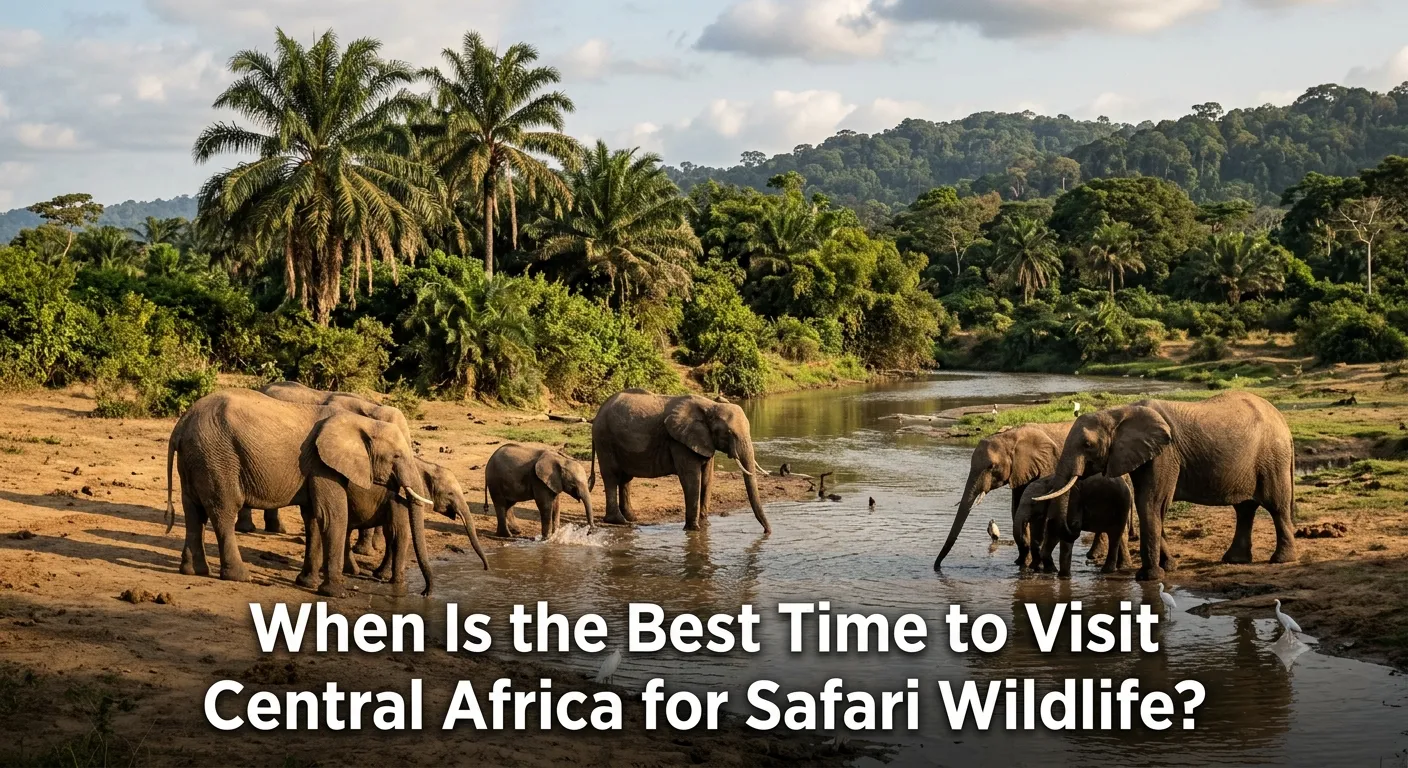
The wider wetland landscape supports elephants, buffaloes, duikers, and hippopotamuses. These animals depend on the combination of forest, grassland, and water habitats found throughout the region.
Patient travelers may also discover signs of wildlife such as tracks, calls, feeding marks, or movement along waterways even when animals remain hidden.
Birdwatching Around the Wetlands
Birdwatching can be another rewarding activity for visitors exploring Lake Tele Congo. Wetland environments provide excellent habitats for waterbirds, forest species, and other birds associated with rivers and marshes.
The Ramsar site specifically notes the presence of African darters in its river systems.
Early mornings are particularly attractive for birdwatchers because cooler temperatures and increased animal activity can make the environment feel especially alive. Carrying binoculars and a field guide can help travelers identify species during excursions.
The Importance of the Wetland Ecosystem
Beyond wildlife tourism, Lake Tele Congo is important because wetlands provide essential ecological functions. Water systems support fish populations, vegetation, wildlife, and communities living around them.
The surrounding landscape also demonstrates how closely human livelihoods can be connected to natural ecosystems. Local communities depend on wetland resources for activities including fishing, agriculture, medicines, and materials used for everyday needs.
This relationship makes responsible tourism especially important. Visitors should respect local customs, avoid damaging vegetation, minimize waste, and follow guidance from local communities and experienced guides.
Culture and Local Communities
A journey to Lake Tele Congo is not only about wildlife. It can also provide insight into traditional ways of life in the Republic of Congo.
Communities around the wetland have developed practical knowledge of the waterways, forests, seasonal conditions, fishing areas, and natural resources. Traditional territorial boundaries and land-use practices have historically played an important role in managing the surrounding environment.
Travelers should approach local communities with respect and curiosity. Asking permission before taking photographs, following cultural protocols, and supporting locally operated services are simple ways to encourage responsible tourism.
Conservation and Sustainable Travel
Protecting Lake Tele Congo requires cooperation between conservation organizations, authorities, local communities, researchers, and responsible visitors.
The area's international wetland recognition demonstrates its ecological significance. Ramsar records also emphasize the dependence of nearby communities on natural resources, making conservation closely connected with local livelihoods.
Sustainable tourism can contribute by creating economic opportunities while encouraging visitors to appreciate the importance of protecting wildlife and habitats.
Travelers can support conservation by choosing responsible operators, avoiding single-use plastics where possible, respecting wildlife distances, and leaving natural areas exactly as they found them.
Best Experiences for Nature Lovers
An adventure around Lake Tele Congo can include several experiences depending on local conditions, access, and conservation regulations.
Wildlife Observation
Guided wildlife excursions offer opportunities to look for mammals, primates, birds, and other species. Because the environment is wild and relatively undisturbed, patience is essential.
Nature Photography
The mixture of waterways, tropical vegetation, wildlife, and changing light creates excellent opportunities for nature photography. A lightweight camera setup, extra batteries, protective equipment, and appropriate lenses can be useful in humid conditions.
Birdwatching
Wetlands and river environments can be especially rewarding for bird enthusiasts. Early-morning excursions can provide opportunities to observe birds before the heat of the day increases.
Cultural Experiences
Meeting local communities through respectful, locally organized experiences can add an important cultural dimension to the journey and provide a deeper understanding of life in the region.
Planning a Trip to Lake Tele Congo
Because Lake Tele Congo is a remote destination, travelers should plan carefully. Access, accommodation, transportation, permits, weather, and local conditions should be confirmed before departure.
Travelers should also consider the physical demands of exploring a tropical wetland environment. Lightweight clothing, sturdy footwear, insect protection, sun protection, waterproof bags, reusable water bottles, binoculars, and basic first-aid supplies can be useful.
Working with an experienced local tour operator can simplify logistics and help travelers understand local customs and conservation requirements. For travelers seeking professionally organized African wilderness experiences, Romaric Tour Guide can help connect adventure planning with authentic wildlife and nature-focused travel.
Why Choose a Remote African Adventure?
Modern tourism often focuses on destinations that are easy to reach and heavily promoted. Remote places offer a different experience. They provide opportunities to slow down, observe nature carefully, and experience landscapes where traditional lifestyles remain closely connected to the environment.
Lake Tele Congo appeals particularly to travelers who value discovery rather than conventional sightseeing. The destination combines biodiversity, wetlands, cultural heritage, and wilderness in a way that can create a genuinely memorable African journey.
For luxury travelers, photographers, conservation enthusiasts, and experienced adventurers, exploring remote Central Africa can also become an opportunity to support responsible tourism and local conservation initiatives.
Conclusion
Lake Tele Congo is a remarkable destination for travelers fascinated by wildlife, wetlands, forests, and authentic African wilderness. Its diverse habitats support important populations of gorillas, chimpanzees, elephants, buffaloes, hippopotamuses, birds, and other wildlife.
More importantly, the region demonstrates the connection between conservation and local communities. A carefully planned journey can provide unforgettable nature experiences while encouraging greater appreciation for the protection of Central Africa's ecosystems.
For those ready to explore beyond conventional safari destinations, Lake Tele Congo offers the promise of discovery, adventure, and a deeper connection with one of Africa's extraordinary wetland landscapes. With responsible planning and respect for nature and local communities, the journey can become far more than a vacation—it can be an authentic African wilderness experience supported by Romaric Tour Guide.
FAQs
Q1. Where is Lake Tele located?
Lake Tele is located in the Likouala region of the Republic of Congo. It forms part of the Lac Télé/Likouala-aux-Herbes wetland ecosystem, which is recognized as a Ramsar Site of international importance.
Q2. What wildlife can be found around Lake Tele?
The surrounding ecosystem supports western lowland gorillas, chimpanzees, elephants, buffaloes, duikers, hippopotamuses, and numerous bird species. Wildlife sightings depend on seasonal and environmental conditions.
Q3. Is Lake Tele suitable for nature lovers?
Yes. Its combination of wetlands, forests, waterways, wildlife, and remote landscapes makes it particularly appealing to nature enthusiasts, wildlife photographers, birdwatchers, and adventure travelers.
Q4. Why is the Lake Tele ecosystem important?
The ecosystem provides important habitats for wildlife and supports local communities that depend on natural resources such as fish, agricultural areas, medicinal plants, and construction materials.
Q5. How should travelers prepare for a Lake Tele adventure?
Travelers should arrange transportation and accommodation in advance, follow local conservation and cultural guidelines, pack suitable clothing and insect protection, and consider traveling with experienced local guides familiar with the region.






















Sign in to leave a comment.