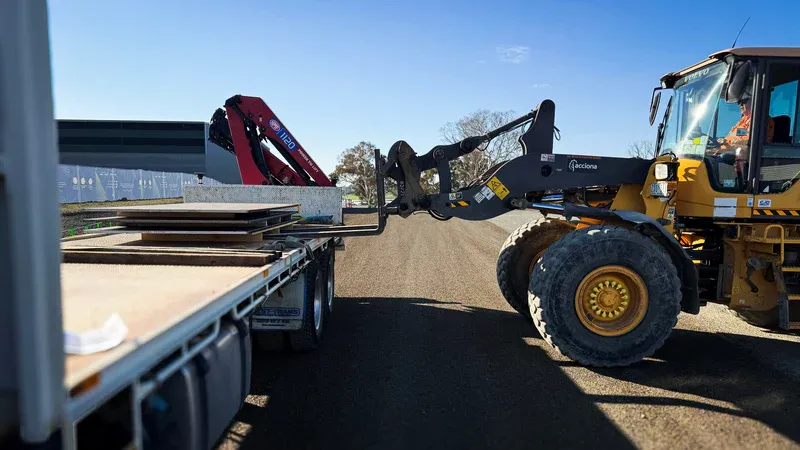

Mild steel sheets are among the most widely used metal products across construction, manufacturing, fabrication, and engineering industries. Their affordability, durability, and versatility make them a preferred choice for both small-scale and large industrial projects. Whether you are searching for information about mild steel sheet cost, comparing mild steel sheet plate options, or looking for steel sheets for sale, understanding the basics can help you make smarter purchasing decisions.

From structural frameworks to automotive components and industrial fabrication, mild steel continues to play a major role in modern industries. Its balance of strength and flexibility makes it suitable for countless applications while remaining cost-effective compared to many alternative metals.
This comprehensive guide explains everything you need to know about mild steel sheet plates, pricing factors, common applications, and how to choose the right supplier for your needs.
What Is a Mild Steel Sheet Plate?
A mild steel sheet plate is a flat steel product manufactured with low carbon content, generally between 0.05% and 0.25%. Because of its lower carbon percentage, mild steel remains easier to cut, shape, weld, and fabricate compared to high-carbon steel materials.
Mild steel sheets are available in different thicknesses and dimensions depending on their intended application. Thin sheets are commonly used for lightweight fabrication and automotive work, while thicker plates are designed for structural and heavy-duty industrial use.
The popularity of mild steel sheet plates comes from their ability to combine strength, affordability, and workability into one practical material.
Why Mild Steel Remains Popular
Even with many modern metal alternatives available today, mild steel continues to dominate multiple industries because of its dependable performance and competitive pricing.
Some major reasons for its popularity include:
- High durability
- Easy fabrication and welding
- Cost-effectiveness
- Wide availability
- Excellent machinability
- Strong structural performance
- Recyclable material properties
These advantages make mild steel suitable for projects ranging from residential construction to heavy engineering.
Understanding Mild Steel Sheet Cost
One of the most common questions buyers ask is about mild steel sheet cost. Pricing can vary depending on several important factors, and understanding these can help you estimate budgets more accurately.
Thickness of the Sheet
Thickness is one of the biggest pricing factors. Thicker sheets require more raw material, increasing overall cost.
For example:
- Thin sheets cost less
- Medium plates have moderate pricing
- Heavy plates are more expensive due to additional material weight
Size and Dimensions
Larger sheet sizes naturally cost more because they contain greater material volume. Custom sizes may also affect pricing.
Market Conditions
Steel prices fluctuate based on global demand, raw material costs, fuel prices, and manufacturing expenses. Market trends can directly influence mild steel sheet cost over time.
Surface Finish
Some steel sheets include protective coatings or special finishes. Galvanized and treated sheets generally cost more than untreated mild steel.
Quantity Purchased
Bulk orders often reduce the price per sheet. Many suppliers offer discounted rates for large commercial or industrial purchases.
Common Applications of Mild Steel Sheets
Mild steel sheet plates are used across a wide variety of industries because of their flexibility and reliability.
Construction Industry
Construction companies use mild steel sheets for:
- Structural frameworks
- Roofing systems
- Reinforcement work
- Platforms and supports
- Gates and fencing
Its strength and affordability make it ideal for large-scale construction projects.
Automotive Manufacturing
The automotive sector uses mild steel for:
- Vehicle body panels
- Chassis components
- Structural supports
- Machine parts
The material’s ability to absorb stress while remaining workable makes it valuable for transportation industries.
Industrial Fabrication
Fabricators rely on mild steel sheet plates for creating:
- Storage tanks
- Machinery components
- Industrial enclosures
- Equipment supports
- Manufacturing tools
Its easy weldability simplifies production processes.
Residential and Commercial Projects
Mild steel is also commonly used for:
- Staircases
- Railings
- Decorative metalwork
- Furniture frames
- Security barriers
Its adaptability makes it useful for both functional and decorative applications.
Steel Sheets for Sale: What Buyers Should Look For
When searching for steel sheets for sale, buyers should focus on more than just pricing. Quality, reliability, and supplier reputation are equally important.
Material Quality
Always ensure the steel meets required industry standards and specifications.
Thickness Accuracy
Consistent thickness is essential for fabrication and structural performance.
Surface Condition
Inspect sheets for rust, damage, or uneven surfaces before purchase.
Supplier Reliability
Experienced suppliers provide better consistency, technical support, and delivery reliability.
Product Availability
A supplier with a wide range of stock sizes and thicknesses can better support ongoing projects.
Advantages of Mild Steel Sheet Plates
Affordable Material Choice
Compared to stainless steel or aluminum, mild steel offers excellent value for money while still providing strong performance.
Easy to Fabricate
Mild steel can be welded, cut, drilled, bent, and shaped without excessive difficulty.
Strong Structural Performance
Its durability makes it suitable for demanding industrial and construction environments.
Recyclable and Sustainable
Mild steel is recyclable, reducing environmental impact and supporting sustainable construction practices.
Widely Available
Because it is used globally, mild steel sheets are easy to source in various sizes and thicknesses.
How to Maintain Mild Steel Sheets
Although mild steel is durable, proper maintenance helps extend its lifespan and reduce corrosion risks.
Helpful maintenance practices include:
- Applying protective paint or coatings
- Storing sheets in dry areas
- Avoiding prolonged moisture exposure
- Regular cleaning and inspection
- Using anti-rust treatments when needed
Proper care can significantly improve long-term performance.
Choosing the Right Supplier
Selecting the right steel supplier is one of the most important decisions for any project. Reliable suppliers provide consistent material quality, competitive pricing, and dependable service.
A trusted supplier should offer:
- Quality-tested materials
- Accurate dimensions
- Competitive mild steel sheet cost
- Timely delivery
- Professional customer support
- Multiple sheet and plate options
Businesses and fabricators often prefer suppliers with strong industry experience and reliable stock availability.
Why Industries Continue Choosing Mild Steel
Mild steel remains one of the most practical and economical materials available today. Its combination of affordability, durability, and versatility allows it to serve countless industries effectively.
From structural engineering to automotive manufacturing and residential fabrication, mild steel sheet plates continue to deliver reliable performance across diverse applications.
Final Thoughts
Understanding mild steel sheet cost, material quality, and application requirements can help buyers choose the right products for their projects. Mild steel sheet plates remain a top choice because they are strong, easy to work with, and cost-effective for both commercial and industrial use.
When exploring steel sheets for sale, it is important to prioritize quality, supplier reliability, and long-term performance rather than focusing only on price.
For dependable steel products and professional service, Ezy Steel continues to support construction, fabrication, and industrial projects with quality steel solutions.
Frequently Asked Questions
What is a mild steel sheet plate used for?
Mild steel sheet plates are used in a variety of applications across industries, including construction for structural frameworks, automotive manufacturing for vehicle body panels, and industrial fabrication for machinery components. Their versatility and strength make them suitable for both functional and decorative projects.
How does the thickness of a mild steel sheet affect its cost?
The thickness of a mild steel sheet is a significant factor in determining its cost, as thicker sheets require more raw material. Generally, thinner sheets are less expensive, while medium and heavy plates command higher prices due to the increased material weight.
What should I look for when buying mild steel sheets?
When purchasing mild steel sheets, focus on material quality, thickness accuracy, and the surface condition of the sheets. Additionally, consider the reliability of the supplier and their ability to provide consistent product availability and support.
Why is mild steel a popular choice for construction projects?
Mild steel is favored in construction due to its high durability, easy weldability, and cost-effectiveness. Its strength makes it suitable for large-scale projects, while its affordability allows for budget-friendly solutions.
How can I maintain mild steel sheets to prevent corrosion?
To maintain mild steel sheets and minimize corrosion risks, apply protective paint or coatings, store them in dry areas, and regularly clean and inspect the sheets. Using anti-rust treatments can also enhance their longevity.
What factors can influence the price of mild steel sheets?
The price of mild steel sheets can be influenced by factors such as market conditions, sheet thickness, size and dimensions, surface finish, and the quantity purchased. Bulk orders may often result in lower costs per unit.
Are mild steel sheets recyclable?
Yes, mild steel sheets are recyclable, making them an environmentally friendly choice for construction and manufacturing. This recyclability supports sustainable practices while also reducing the overall environmental impact of steel production.





























Sign in to leave a comment.