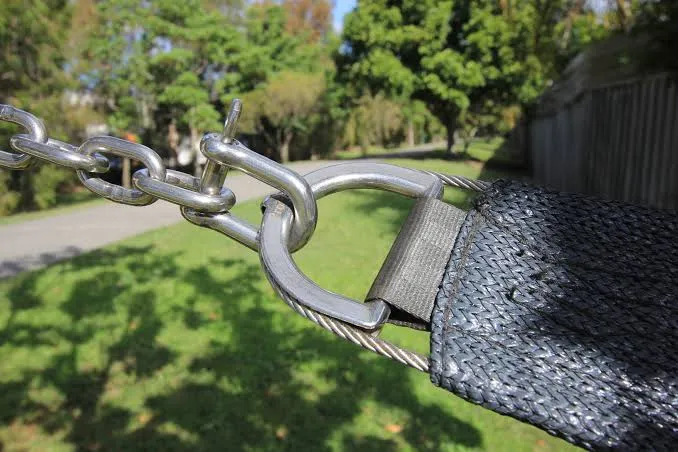

Architects, builders, and DIY enthusiasts across Australia consistently face the challenge of designing outdoor and coastal installations that endure relentless exposure without degrading. From harsh UV rays and constant sea spray to shifting structural loads, architectural fittings must withstand punishing conditions while preserving a clean, modern aesthetic. Choosing premium stainless steel hardware is not merely an aesthetic consideration; it is an engineering necessity that safeguards structural integrity, minimizes long-term maintenance costs, and delivers lasting durability for balustrades, shade sails, and marine applications.
Understanding Material Grades: Why Composition Dictates Real-World Performance
Selecting the right grade of stainless steel begins with understanding how chemical alloy compositions react to specific microclimates. While standard Grade 304 performs reliably in sheltered, indoor, or mildly suburban settings, outdoor and shoreline builds demand AISI 316 commonly referred to as marine grade due to its inclusion of 2% to 3% molybdenum. This molybdenum addition drastically enhances the alloy's resistance to pitting and crevice corrosion caused by chloride ions in seawater and coastal winds. By evaluating atmospheric exposure, humidity levels, and proximity to salt water before specifying components, property owners and project managers avoid premature tea staining and costly premature replacements.
The Operational Advantage of Partnering with a Dedicated Stainless Steel Supplier
Sourcing critical components directly from a specialized stainless steel supplier ensures that every fitting matches verified tensile strengths, exact thread tolerances, and genuine material certifications. Generalist hardware stores often stock imported batches that blur the line between decorative trims and load-rated hardware, creating serious structural vulnerabilities in high-tension installations like wire balustrades and overhead canopy tension systems. Working with dedicated industry specialists like Miami Stainless provides trade professionals with full product traceability, certified batch testing, and tailored technical guidance, ensuring every turnbuckle, swage, and bracket meets stringent Australian building codes and project-specific engineering tolerances.
Five Key Criteria for Evaluating High-Load Architectural Fittings
To protect structural safety and long-term performance across demanding residential or commercial installations, fittings must be vetted across several critical metallurgical and manufacturing benchmarks:
- Certified Load Capacities and Yield Strength: Prioritize components engineered with verified working load limits (WLL) and minimum breaking loads (MBL), ensuring that wire runs and tensioned assemblies handle thermal expansion and heavy wind shear without permanent deformation.
- Precision-Machined Threads and Tight Tolerances: Opt for hardware with rolled, clean threads rather than rough cut alternatives to eliminate the risk of thread galling, binding, or thread stripping during post-tensioning and mechanical swaging.
- Surface Passivation and Finishing Quality: High-polish and electro-polished surfaces smooth out microscopic surface crevices, depriving airborne contaminants and salt crystals of crevices where localized pitting corrosion typically begins.
- Corrosion Compatibility Across Fasteners: Ensure that all accompanying screws, lag eyes, bolts, and washers share identical metallurgical grades to prevent galvanic corrosion between mismatched metals.
- Ease of Ongoing Inspection and Maintenance: Select modular, accessible fittings—such as streamlined drop-in turnbuckles and blind grommets—that simplify periodic re-tensioning, visual inspections, and post-installation washdowns.
Prevention of Tea Staining and Premature Surface Discoloration
Even the finest marine-grade components can develop tea staining if microscopic iron particles, industrial dust, or concentrated salt deposits are allowed to sit on unwashed metal surfaces. Tea staining is essentially a cosmetic discoloration caused by localized surface oxidation, but if left unattended in humid or coastal environments, it can evolve into deeper structural pitting. Maintaining the pristine look of architectural metal requires a deliberate combination of correct surface finishes, careful isolation during fabrication to prevent carbon steel cross-contamination, and routine washdowns using clean freshwater and pH-neutral detergents. Establishing an accessible cleaning schedule keeps the protective chromium oxide barrier intact and performing at its peak year-round.
Tensioning Dynamics: Keeping Wire Balustrades and Awnings Secure
Achieving balanced tension across structural wire runs, privacy screening, and shade canopies requires an understanding of mechanical deflection and material elasticity. When wire runs are insufficiently tensioned, they sag under crosswinds or fail barrier deflection standards, posing significant safety hazards on elevated decks and stairwells; conversely, over-tightening places dangerous shear stress on terminal posts and mounting anchors. Employing calibrated tension gauges, professional hydraulic swaging tools, and properly paired turnbuckles ensures that tension is distributed symmetrically throughout the entire frame, eliminating structural creep and preserving clean architectural lines across seasonal temperature fluctuations.
Essential Practical Tips for Installing Long-Lasting Cable and Rigging Systems
Executing a clean, long-lasting installation requires careful handling, the right tools, and an eye for mechanical detail from start to finish:
- Isolate Carbon Steel Tools from Stainless Surfaces: Never cut, grind, or swage stainless components using tools that have previously processed mild carbon steel, as microscopic carbon debris transfers to the metal and initiates rapid localized rust spots.
- Apply Quality Anti-Seize Lubricant on All Threaded Assemblies: Coat turnbuckle and bolt threads with a marine-safe anti-galling lubricant before torquing to avoid frictional cold welding that permanently locks components in place.
- Allow Ample Take-Up Distance in Tensioners: Position turnbuckles and rigging screws at approximately two-thirds open during initial rigging, leaving generous adjustment space to take up cable stretch and post-settlement over time.
- Use Dedicated Marine Cable Cutters for Clean Ends: Shear multi-strand wire cables using specialized triangular-jaw cable cutters to prevent frayed strands that hinder insertion into swage sleeves and blind terminals.
- Follow Regular Post-Installation Washing Cycles: Rinse all exterior hardware with fresh water every two to three months or monthly in direct beachfront zones to wash away airborne salt crusts before they compromise the protective oxide layer.
Conclusion
Achieving a balance of architectural refinement, safety compliance, and structural resilience depends on investing in precision-crafted components designed specifically for challenging environments. High-grade materials, combined with correct installation practices and periodic maintenance, ensure that your decks, balconies, and shade structures remain dependable and visually striking for decades. When you are ready to build with confidence, discover premium architectural fittings, certified marine-grade components, and expert technical support by exploring the extensive catalog at Miami Stainless today.
Frequently Asked Questions
1. What is the primary difference between Grade 304 and Grade 316 hardware?
Grade 304 contains roughly 18% chromium and 8% nickel, making it an economical choice for indoor fittings, furniture, and mild inland outdoor applications. Grade 316 incorporates an additional 2% to 3% molybdenum, which significantly boosts its defense against chloride-induced corrosion, making it essential for marine, coastal, and poolside installations.
2. Why do stainless fittings sometimes show brown spots near the ocean?
These brown spots are known as "tea staining," a localized cosmetic discoloration caused by airborne sea salts and industrial airborne particles that settle on the metal surface. It typically does not indicate structural failure, provided the surface is periodically washed with fresh water and mild soap to maintain the protective chromium oxide film.
3. How do I prevent stainless steel threads from seizing or galling during tightening?
Stainless steel alloys can experience cold welding (galling) when threads are tightened rapidly or dry. Applying a high-quality anti-seize lubricant to all male and female threads prior to assembly, turning nuts slowly by hand, and avoiding high-speed impact drivers will eliminate thread galling.
4. What wire rope construction is best for architectural balustrading?
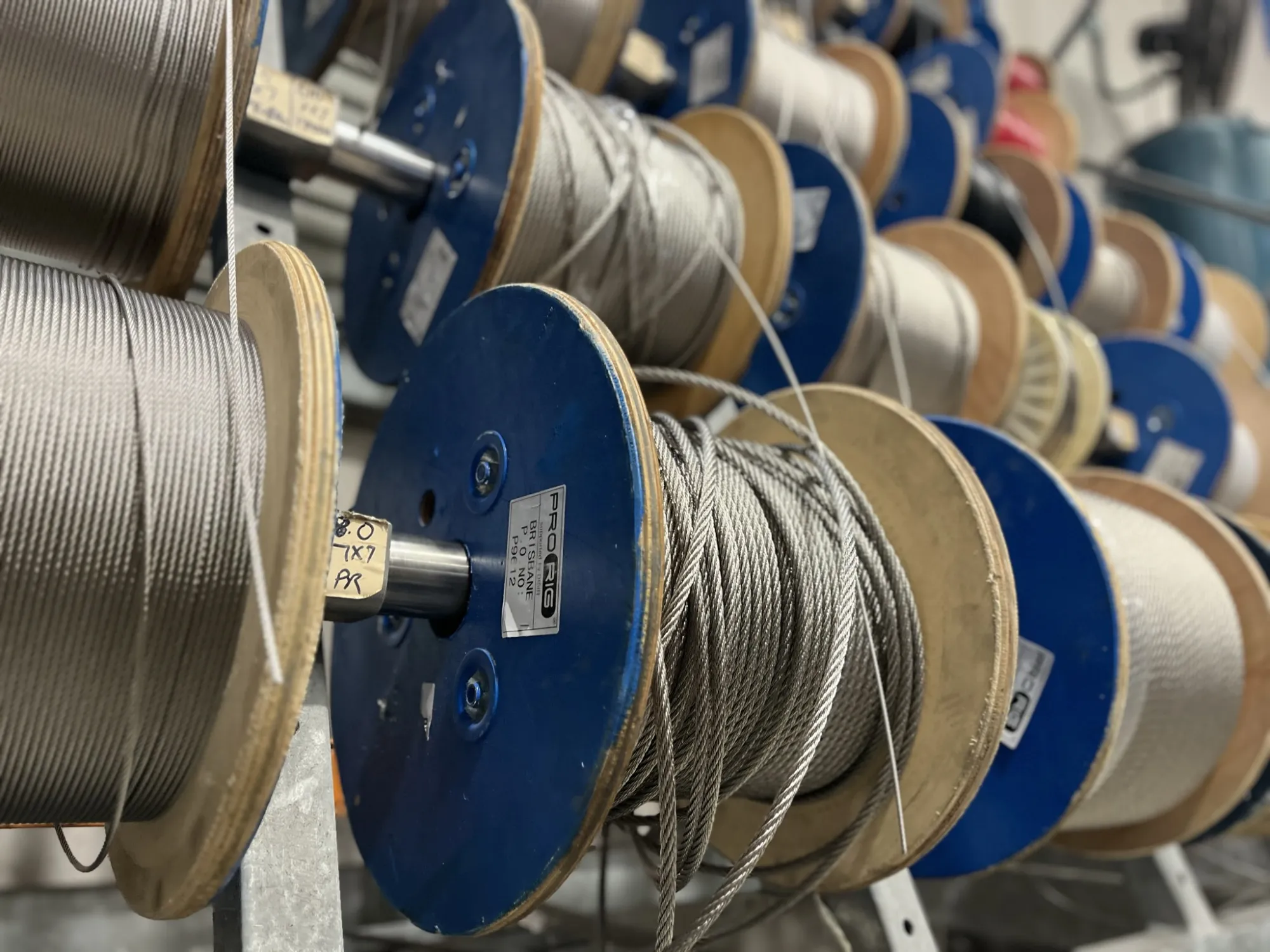
A 1x19 strand construction is the industry standard for wire balustrades because its dense, single-strand layout has low stretch and high stiffness, keeping runs straight and rigid under load. For systems that navigate tight bends, winches, or pulleys, more flexible constructions such as 7x7 or 7x19 are preferred.
5. Can I cut and swage cable fittings on-site without heavy hydraulic machinery?
While factory hydraulic swaging provides the most compact and uniform finish, DIY and on-site projects can achieve structural-grade results using mechanical, swageless terminals or calibrated manual hydraulic hand-swaging tools designed for specific wire diameters.

























Sign in to leave a comment.