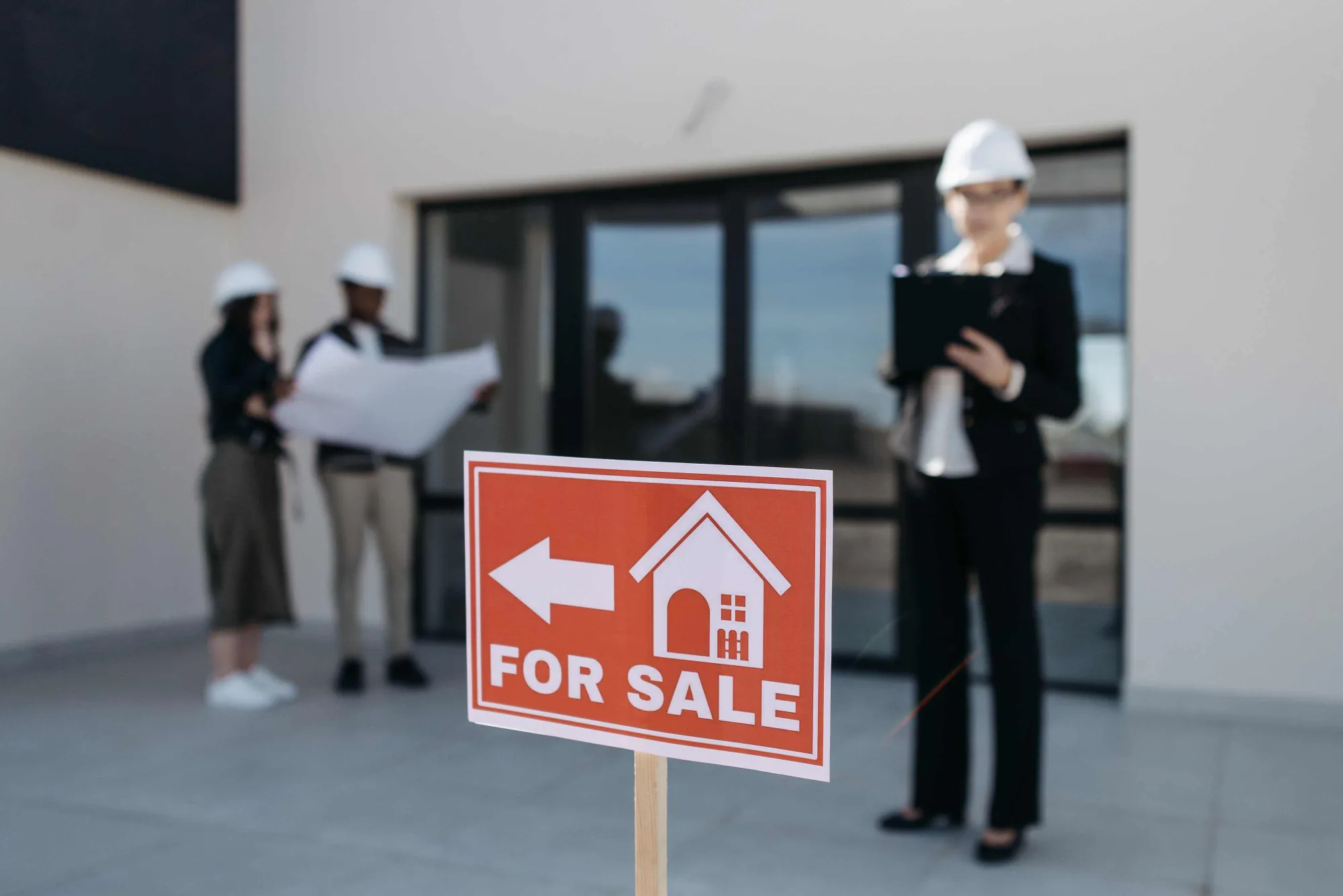
Commercial real estate continues to be one of the most valuable investment sectors, offering opportunities for long-term income, business growth, and portfolio diversification. However, with changing market conditions, fluctuating interest rates, and evolving buyer expectations, understanding the true value of a commercial property has never been more important. This is where Commercial Real Estate Appraisals play a vital role.
A professional appraisal provides an objective estimate of a property's fair market value by evaluating its physical condition, location, income potential, and current market trends. Whether you're buying, selling, refinancing, or managing commercial assets, a reliable appraisal helps reduce uncertainty and supports better financial decisions.
In today's competitive property market, accurate valuations are no longer optional—they are an essential part of successful commercial real estate transactions.
Understanding Commercial Real Estate Appraisals
Commercial Real Estate Appraisals are professional evaluations that determine the market value of income-producing and business-related properties. Unlike residential appraisals, commercial valuations involve a more detailed analysis because these properties often generate revenue and serve as long-term investments.
Commercial properties commonly include:
- Office buildings
- Retail centers
- Shopping plazas
- Warehouses
- Industrial facilities
- Medical offices
- Hotels
- Apartment complexes
- Mixed-use developments
Professional commercial property appraisers inspect the property, research comparable sales, analyze market conditions, and review financial performance where applicable before preparing a detailed appraisal report.
Why Accurate Appraisals Matter More Than Ever
Today's commercial property market changes rapidly due to economic conditions, business growth, supply and demand, and financing costs. Relying on outdated property values or online estimates can lead to costly mistakes.
Professional Commercial Real Estate Appraisals provide reliable market data that supports informed decision-making for every stage of property ownership.
Better Buying Decisions
Purchasing commercial real estate requires careful financial planning. Buyers need confidence that the property's asking price reflects its actual market value.
An independent appraisal helps identify whether the investment is appropriately priced while providing valuable information during negotiations.
Rather than relying solely on listing prices, buyers receive objective evidence supported by current market research.
Accurate Pricing for Sellers
Setting the right asking price is one of the most important parts of selling commercial property.
Pricing too high may discourage qualified buyers, while pricing too low can reduce profits.
Professional commercial appraisals help sellers establish competitive prices based on verified market information rather than assumptions.
Supporting Commercial Financing
Banks and financial institutions almost always require professional appraisals before approving commercial loans or refinancing.
The appraisal confirms that the property's market value supports the requested financing amount, protecting both the lender and borrower.
Accurate valuation reports also help streamline financing by providing trusted documentation that lenders can confidently rely on during the approval process.
Helping Investors Reduce Risk
Commercial property investments often involve substantial capital. Every investment decision carries financial risk, making accurate property valuation essential.
Professional Commercial Real Estate Appraisals help investors:
- Evaluate investment opportunities
- Compare multiple properties
- Understand income potential
- Estimate future returns
- Reduce the risk of overpaying
- Make confident purchasing decisions
Reliable valuation reports become valuable planning tools that support long-term investment success.
Factors That Influence Commercial Property Value
Every commercial property has unique characteristics that affect its market value.
Professional appraisers carefully evaluate several important factors before reaching a final opinion.
Property Location
Location remains one of the strongest influences on commercial value.
Properties located near transportation routes, business districts, shopping centers, or rapidly growing communities often attract higher demand.
Accessibility, surrounding businesses, parking availability, and future development plans also influence value.
Building Condition
Property condition significantly affects marketability and investment potential.
Appraisers evaluate:
- Structural integrity
- Roof condition
- HVAC systems
- Interior finishes
- Exterior maintenance
- Accessibility
- Safety features
- Parking facilities
Well-maintained buildings generally receive stronger valuations because they require fewer immediate improvements.
Income Potential
Many commercial buildings generate rental income.
When appropriate, appraisers review:
- Rental rates
- Lease agreements
- Vacancy levels
- Operating expenses
- Net operating income
These financial indicators play a significant role in determining commercial real estate valuation, particularly for investment properties.
Current Market Conditions
Commercial markets continue to evolve based on economic growth, interest rates, business activity, and local development.
Appraisers monitor these changes closely to ensure valuation reports accurately reflect today's property market rather than outdated sales data.
The Commercial Real Estate Appraisal Process
Professional Commercial Real Estate Appraisals follow a structured process to ensure every valuation is accurate, objective, and supported by reliable market evidence. While each assignment is unique, most commercial appraisals include the following steps.
Initial Consultation
The appraisal begins by identifying the purpose of the valuation. Whether the property is being purchased, sold, refinanced, insured, or included in legal or tax matters, understanding the intended use helps define the scope of the appraisal.
The appraiser gathers key information such as:
- Property details
- Ownership records
- Building specifications
- Lease agreements (if applicable)
- Income and expense statements
- Recent improvements or renovations
Property Inspection
A detailed site inspection is one of the most important parts of the appraisal process.
Professional commercial property appraisers evaluate:
- Building size and layout
- Construction quality
- Structural condition
- Interior and exterior maintenance
- Roofing and mechanical systems
- Parking facilities
- Accessibility
- Safety features
- Overall functionality
Photographs, measurements, and observations are documented to support the final report.
Market Research
After inspecting the property, the appraiser researches current market conditions.
This includes analyzing:
- Comparable commercial property sales
- Rental rates
- Vacancy trends
- Local business growth
- Supply and demand
- Economic conditions
- Neighborhood development
This research ensures the appraisal reflects today's market rather than outdated property data.
Common Valuation Methods
Different commercial properties require different valuation approaches. Professional appraisers often apply one or more of the following methods.
Sales Comparison Approach
This approach compares the subject property with similar commercial properties that have recently sold.
Adjustments are made for differences in:
- Location
- Property size
- Age
- Building condition
- Amenities
- Land area
This method is especially effective when sufficient comparable sales are available.
Income Capitalization Approach
For income-producing properties, the Income Approach is one of the most reliable valuation methods.
The appraiser evaluates:
- Rental income
- Occupancy rates
- Operating expenses
- Net operating income
- Capitalization rates
Because investors focus heavily on earning potential, this method plays a major role in commercial real estate valuation.
Cost Approach
The Cost Approach estimates the property's value by calculating what it would cost to replace or rebuild the structure while accounting for depreciation and land value.
This approach is commonly used for newer buildings and specialized commercial properties where comparable sales are limited.
Choosing Experienced Commercial Property Appraisers
The quality of an appraisal depends on the expertise of the professional preparing it. Selecting experienced commercial property appraisers helps ensure the report is accurate, well-documented, and accepted by lenders, attorneys, investors, and other stakeholders.
When choosing an appraiser, consider professionals who:
- Hold appropriate certifications and licenses
- Have extensive experience with commercial properties
- Understand local and regional market trends
- Follow recognized appraisal standards
- Deliver comprehensive and transparent reports
- Communicate clearly throughout the process
Working with knowledgeable appraisers provides greater confidence in important financial decisions.
Specialized Appraisal Services
While many commercial appraisals focus on current market value, some situations require historical valuations for legal, tax, or estate purposes. In these cases, firms such as Retroactive Appraisal provide specialized services that determine property values as of a past effective date.
These reports are often used in estate administration, litigation support, tax planning, and other matters where historical market analysis is required.
Conclusion
In today's dynamic real estate market, Commercial Real Estate Appraisals are essential for making informed financial decisions. Whether you're purchasing a new investment, selling an existing asset, refinancing a property, or planning future growth, a professional appraisal provides the reliable information needed to move forward with confidence.
Accurate commercial appraisals help reduce financial risk, strengthen negotiations, and support better investment outcomes by providing objective market data. Working with experienced commercial property appraisers ensures that every valuation reflects current market conditions and recognized appraisal standards. As commercial real estate continues to evolve, professional appraisal services remain one of the most valuable tools for protecting investments and achieving long-term success.


























Sign in to leave a comment.